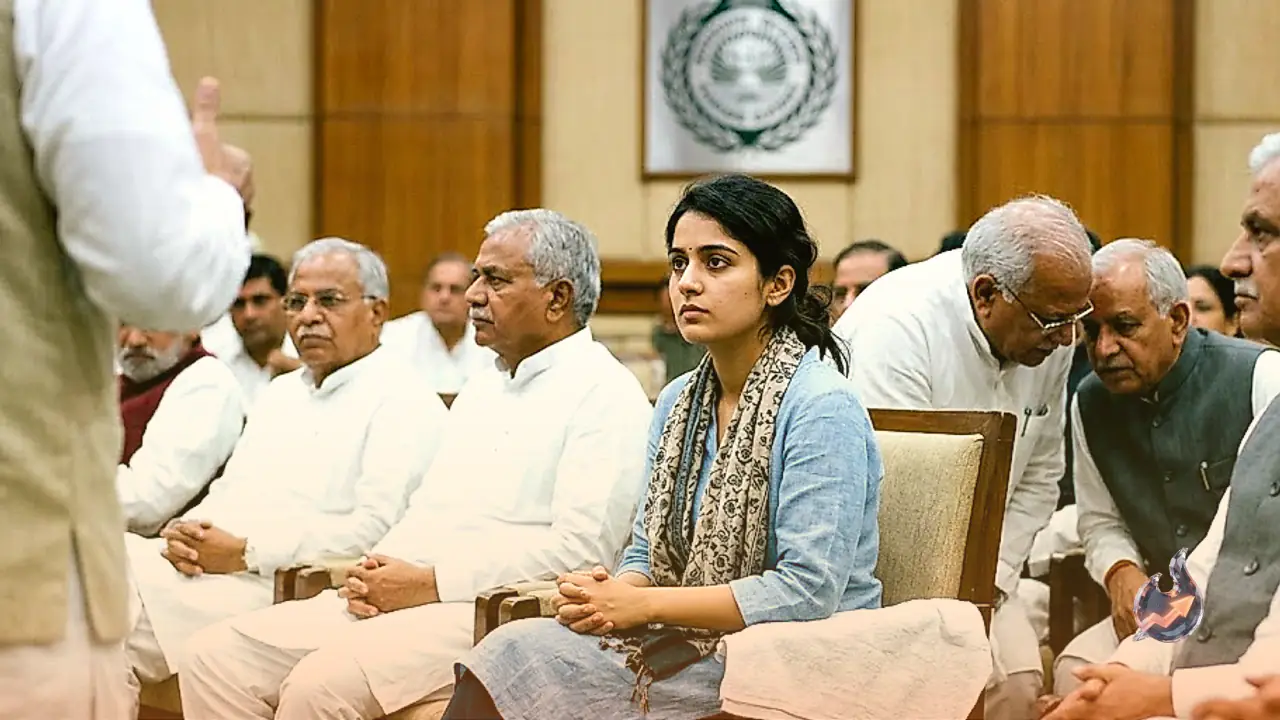





















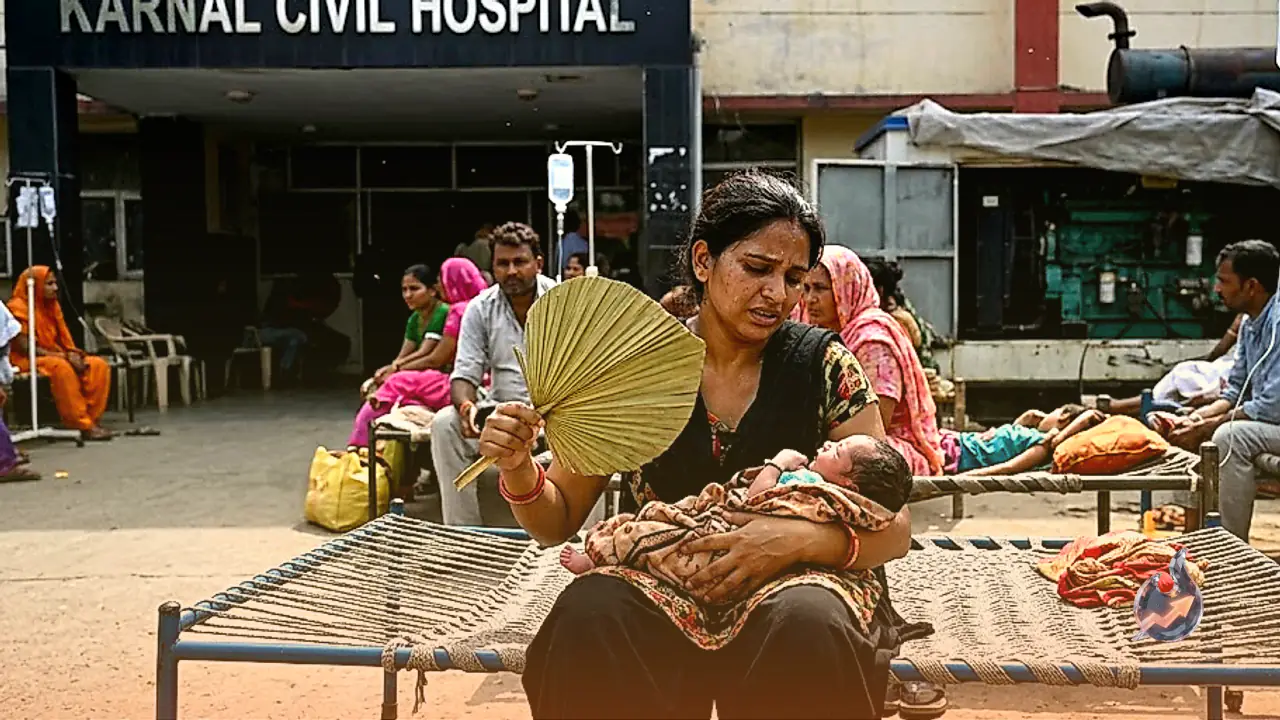

A distressing situation unfolded at the Civil Hospital in the Karnal district of Haryana, highlighting major lapses in administrative management and hospital infrastructure. On Sunday, the facility faced a complete power blackout lasting nearly four hours, which caused immense suffering for admitted patients, specifically those in the maternity ward. Due to the intense heat and lack of ventilation, many mothers, including those with newborns, were seen sitting outside the hospital premises in an attempt to escape the stifling conditions.
Infrastructure Failure and Generator Breakdown
The situation turned critical when the hospital’s primary backup system, the generator, failed to function. Hospital management stated that the equipment could not handle the heavy electrical load, leading to a complete collapse of power services within the building. As electrical staff scrambled to repair the generator, patients and their caregivers voiced their severe frustration with the state of government healthcare facilities, openly criticizing the lack of preparedness for such emergencies.
The Plight of Patients
The atmosphere outside the hospital was one of chaos and discomfort, with people using makeshift paper fans to cool themselves and their infants. Kajal, a patient undergoing treatment, reported that the power had been out for over three hours, leaving everyone stranded. She pointed out that sitting inside the wards was unbearable due to the extreme heat, while sitting outside exposed them to mosquito bites, which was particularly dangerous for the small children present. Patients noted that even the nursing and medical staff appeared distressed, as they were unable to provide adequate care without basic utilities, yet they could not provide any estimated time for when the power would be restored.
Another attendant named Kanta expressed deep concern for her daughter-in-law, who was admitted for an operation. The surgery, which was supposed to happen, was indefinitely delayed due to the lack of electricity, causing significant anxiety for both the mother and the unborn child. The lack of clarity from the authorities only added to the agony of the families involved.
Management Response and Contingency Plans
Dr. Deepak Goyal, representing the Karnal District Civil Hospital, acknowledged the crisis, stating that they were alerted to the outage three hours after it began. He admitted that the backup generator had failed due to an electrical overload. In an attempt to mitigate the situation, Dr. Goyal coordinated with the Kalpana Chawla Medical Hospital to transfer patients who required urgent care.
Dr. Deepak further clarified that the infants in the nursery were safe, as that specific ward maintained a five-hour battery backup system. He added that the team had been trying to contact the electricity department through all available numbers, though they were initially unable to establish contact. The matter has been reported to the Civil Surgeon, with expectations that it will be escalated to the District Deputy Commissioner to ensure accountability and prevent such systemic failures in the future.