























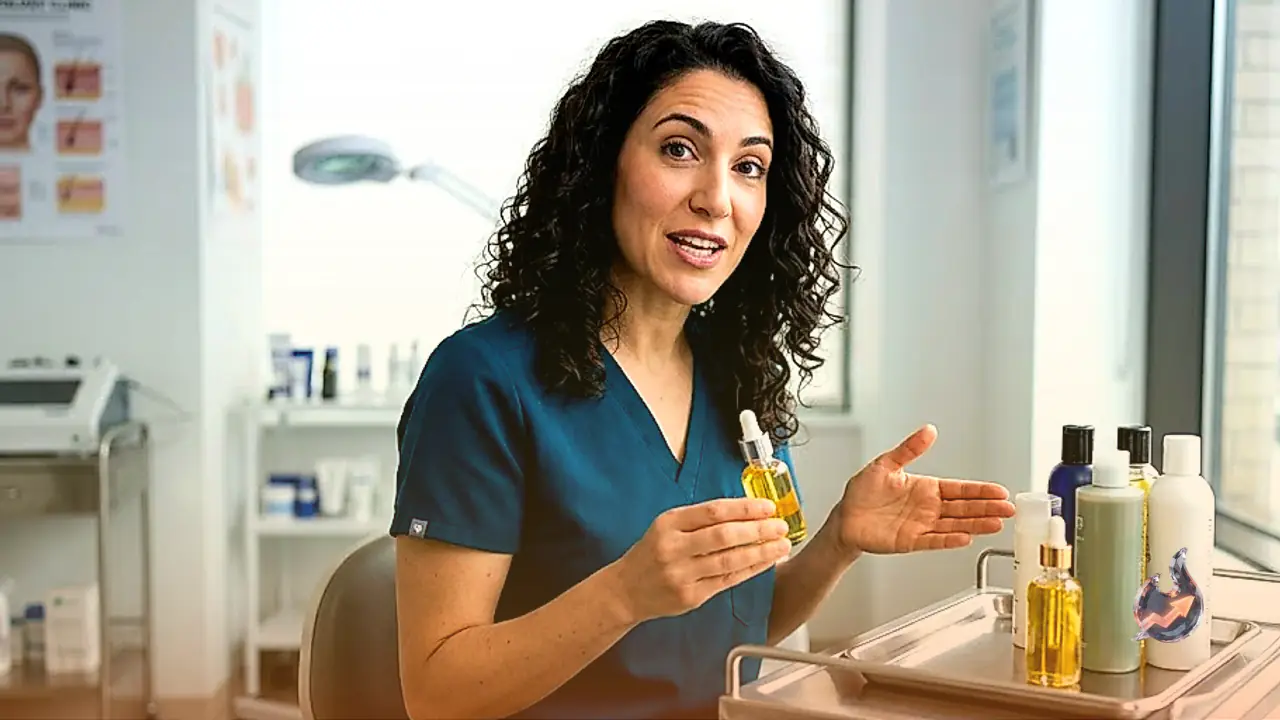

In recent times, hair loss has become an extremely common concern for almost everyone. In an effort to control this, people often rely on various hair oils, expensive shampoos, and biotin supplements. But do these products truly prevent hair fall? Dr. Aanchal Panth, founder of Dermfolix Hair Transplant & Skin Clinic, emphasizes that there are many misconceptions about hair care that people follow without question. She breaks down the truth behind these common myths.
Does applying hair oil stop hair fall?
Many people believe that applying hair oil is the ultimate cure for hair thinning. According to Dr. Panth, while hair oil provides nourishment and strengthens the hair strands, it does not actually control the biological process of hair fall. Hair oil acts by creating a layer on the hair, which helps reduce dryness and frizz, effectively lowering the breakage of damaged hair. However, if you are suffering from dandruff, you should strictly avoid applying oil to your scalp. Furthermore, leaving oil on the head overnight offers no additional benefit; applying oil just 2 hours before washing your hair is sufficient.
The limited role of shampoos
Another prevalent myth is that specialized shampoos can stop hair loss. In reality, the primary function of any shampoo is to clean the scalp. Shampoos contain surfactants, which are cleansing agents tasked with removing sebum, dirt, and sweat from the scalp. For those with dry hair, opting for shampoos that contain moisturizing ingredients like avocado, coconut, or argan oil is a better approach. If you are dealing with hair thinning, a shampoo containing caffeine might be beneficial, but it is important to remember that shampoo alone cannot control or stop hair fall.
The reality of biotin supplements
Many individuals jump straight to biotin supplements when they notice hair thinning. Dr. Panth explains that hair loss is not caused by biotin deficiency alone; in fact, the most common reasons behind hair loss include deficiencies in iron, vitamin D, vitamin B, zinc, and selenium. Taking supplements for these micronutrients is far more advantageous. It is best to consult with a dermatologist before starting any supplements to determine exactly what your body lacks. Additionally, these supplements must be taken consistently for at least 3 months to see any noticeable results.