
















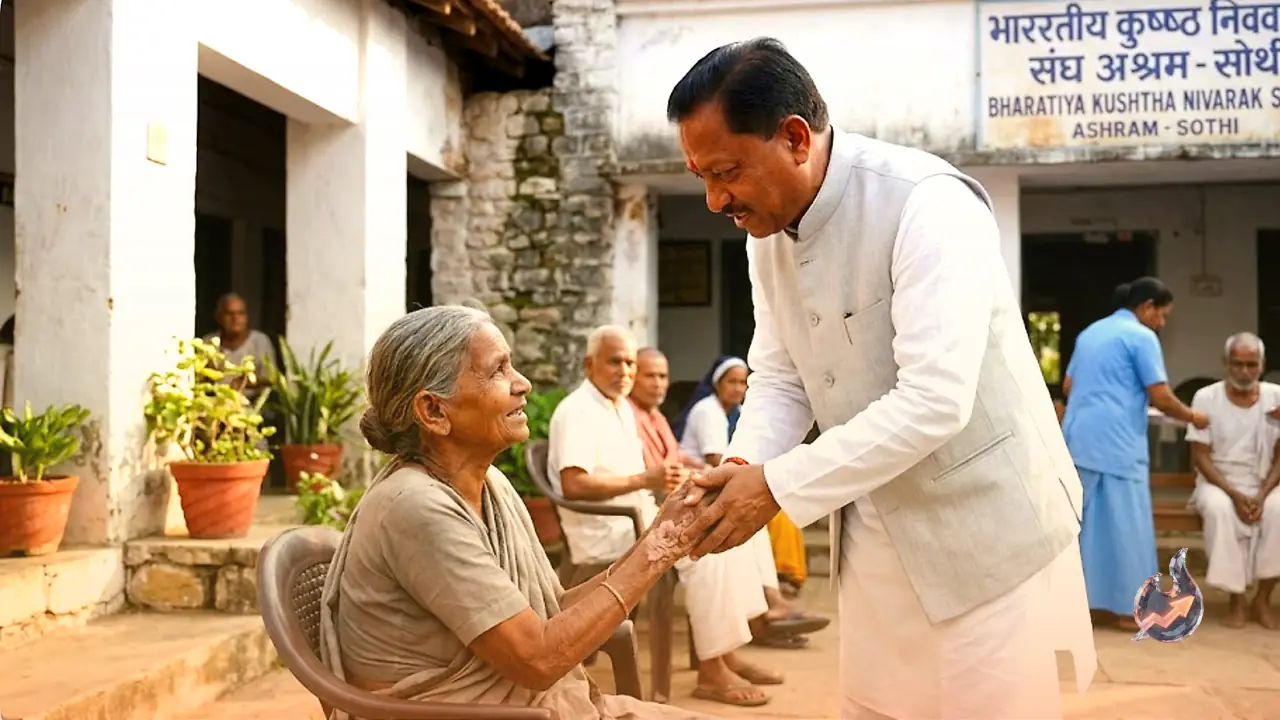

A leprosy care ashram in Chhattisgarh's Janjgir-Champa district has quietly turned into a lifeline for thousands of patients over the decades, offering far more than medical treatment. On Wednesday, Chief Minister Vishnu Deo Sai visited the Bharatiya Kushtha Nivarak Sangh Ashram and came away visibly moved by the free care being given to poor patients there.
Cases Have Fallen, But The Stigma Hasn't Gone
Leprosy cases in India have declined over the years, but the social stigma attached to the disease, along with the challenge of helping affected people live with dignity, is still far from resolved. Even after completing treatment, a large number of patients end up facing more rejection, neglect and distance from society than they do the disease itself. The ashram, located in Sothi village, also known as Katrenagar, in Janjgir-Champa district, has emerged as a model in exactly this context, offering patients not just medicine but shelter, rehabilitation, skills and a genuine shot at an independent life.
A Six-Decade-Old Institution, Founded By A Leprosy Survivor Himself
The institution is nearly six decades old and has grown well beyond a treatment centre for leprosy into a hub for healthcare, social rehabilitation and community support. It was founded on April 5, 1962, by social worker late Sadashiv Govind Katre, who had himself been affected by leprosy. From the very beginning, his goal was to bring patients back into the mainstream of society and give them a life of dignity. That is why the Sothi ashram is seen not merely as an act of charity or sympathy, but as a model of dignity-based rehabilitation.
Free Treatment For The Poor
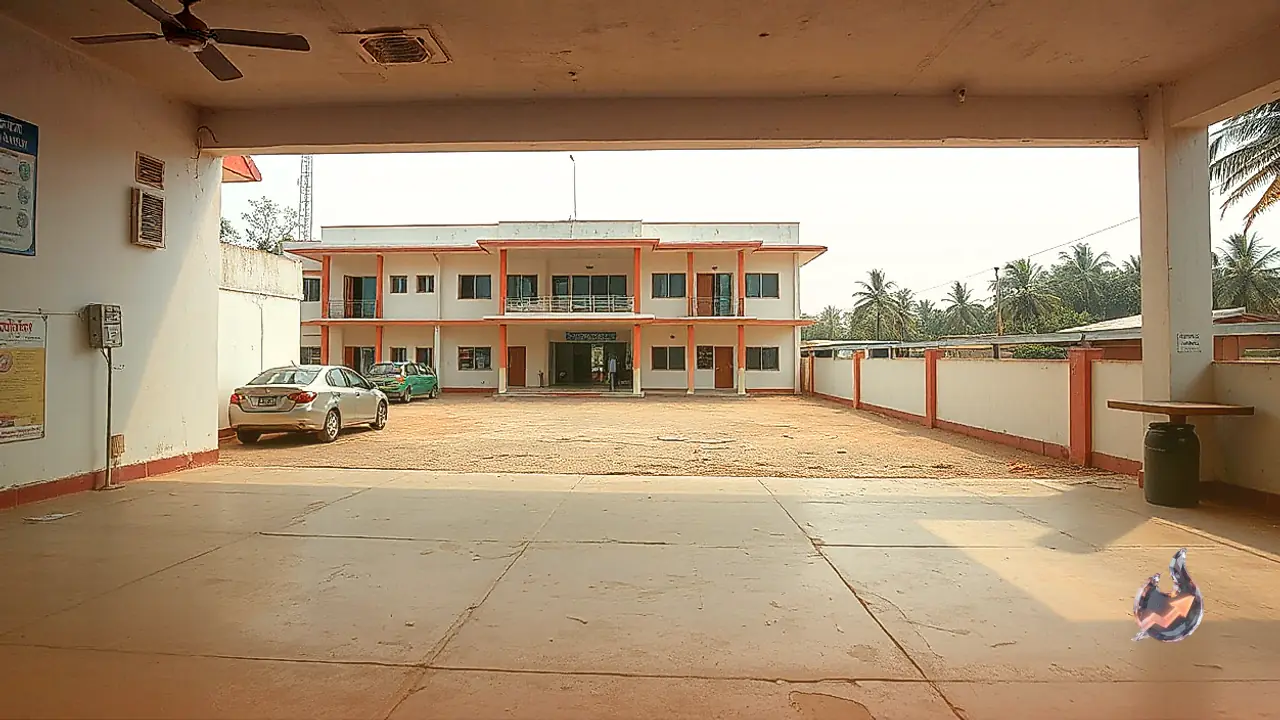
The ashram runs a 20-bed hospital where leprosy patients and other people in need receive free treatment, medicine, bandages, food, clothes and accommodation. It also has facilities such as a lab and X-ray for diagnosis. Patients are referred to bigger hospitals whenever required. At present, 75 patients are living at the ashram, and around 120 people are engaged in caring for them.
Teaching Patients To Stand On Their Own Feet
The ashram's work does not stop at treatment, it also teaches people how to become self-reliant. Patients are trained in farming, gardening, chalk-making, carpet weaving, rope-making, tailoring, computers, welding and driving, so that they can support themselves after treatment. The ashram also looks after the education of the children of patients staying there.
Over 10,000 Free Cataract Surgeries
The ashram periodically organises free health and eye check-up camps. So far, more than 10,000 cataract surgeries have been carried out here free of cost. At the health camp held on Wednesday, more than 300 people were examined, and awareness was also spread about serious illnesses such as cancer.
CM Sai Calls It A True Pilgrimage Of Humanity
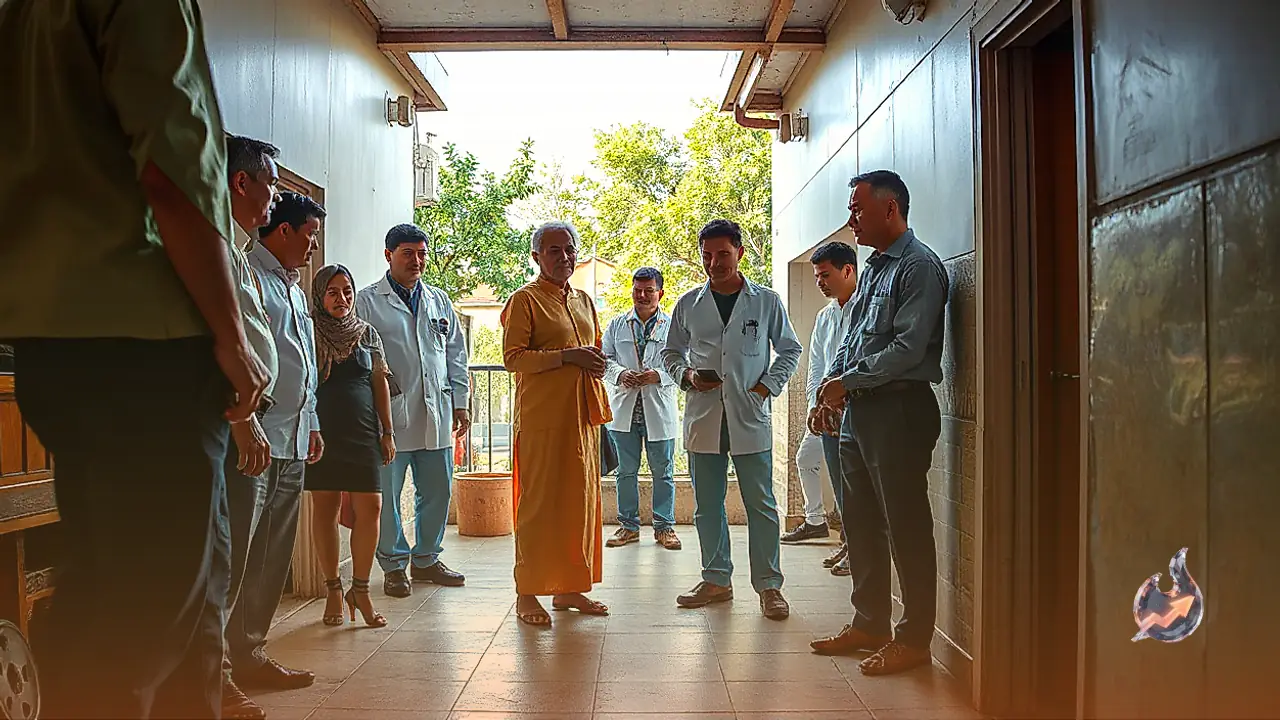
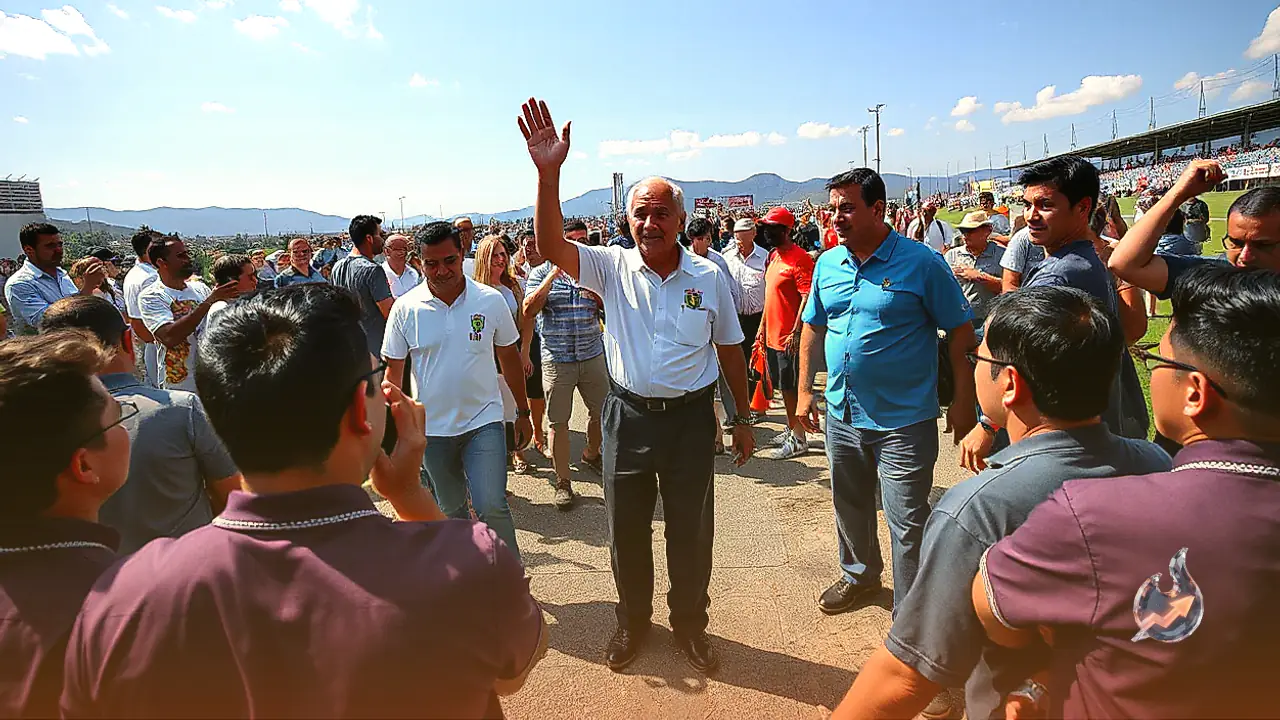
Chief Minister Vishnu Deo Sai visited the ashram on Wednesday and took stock of its service activities, medical facilities and rehabilitation work. Describing the ashram as a true pilgrimage of humanity, compassion and service, he said leprosy has not just caused physical suffering but has also been a reason for social neglect and discrimination. He added that giving such people the chance to live with dignity, security and confidence is a major responsibility of society. The Chief Minister also inspected the Sant Guru Ghasidas Chikitsalaya located on the ashram campus, saying that helping a person stand on their own feet with self-respect is society's greatest service.
A Real Measure Of Progress
The Sothi ashram is not just a local institution in Chhattisgarh, it stands as a strong example of a human development model where public health, social justice and dignity-based rehabilitation move forward together. At a time when discussions on development are often limited to roads, buildings and investment, the Sothi ashram is a reminder that a society's real progress is measured by how much respect, support and self-reliance it can offer to its most neglected and marginalised people.