








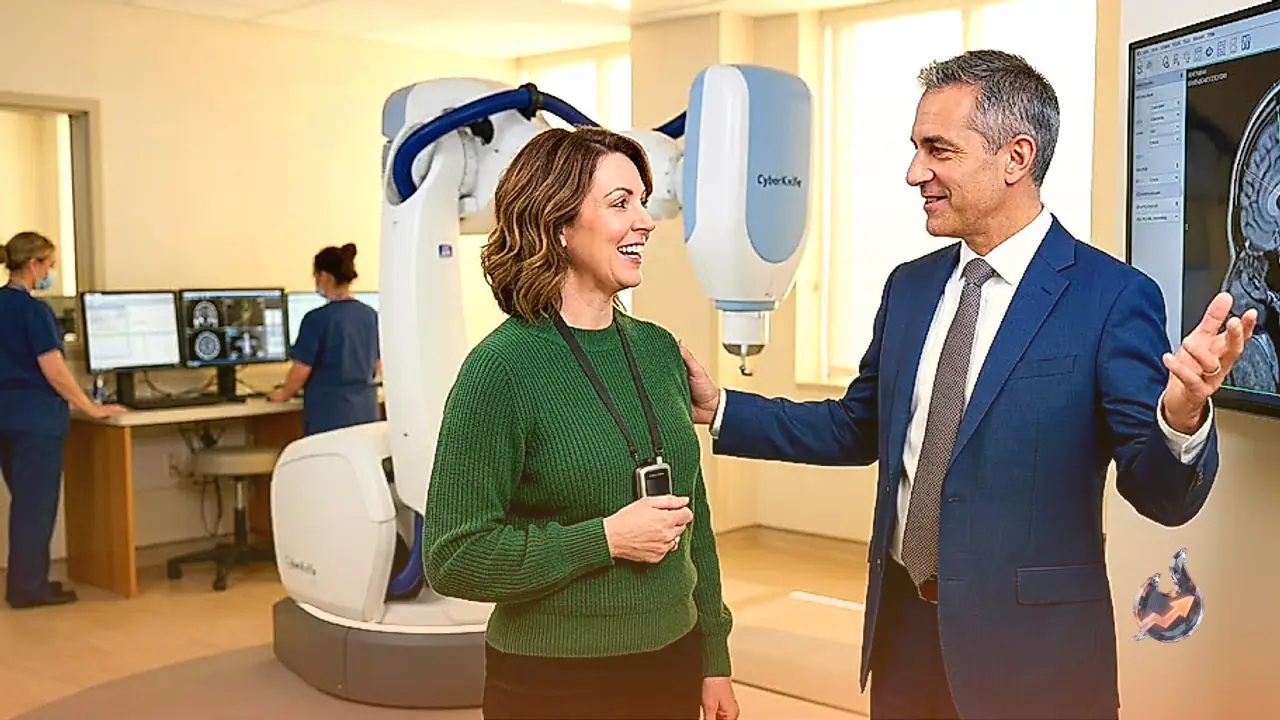














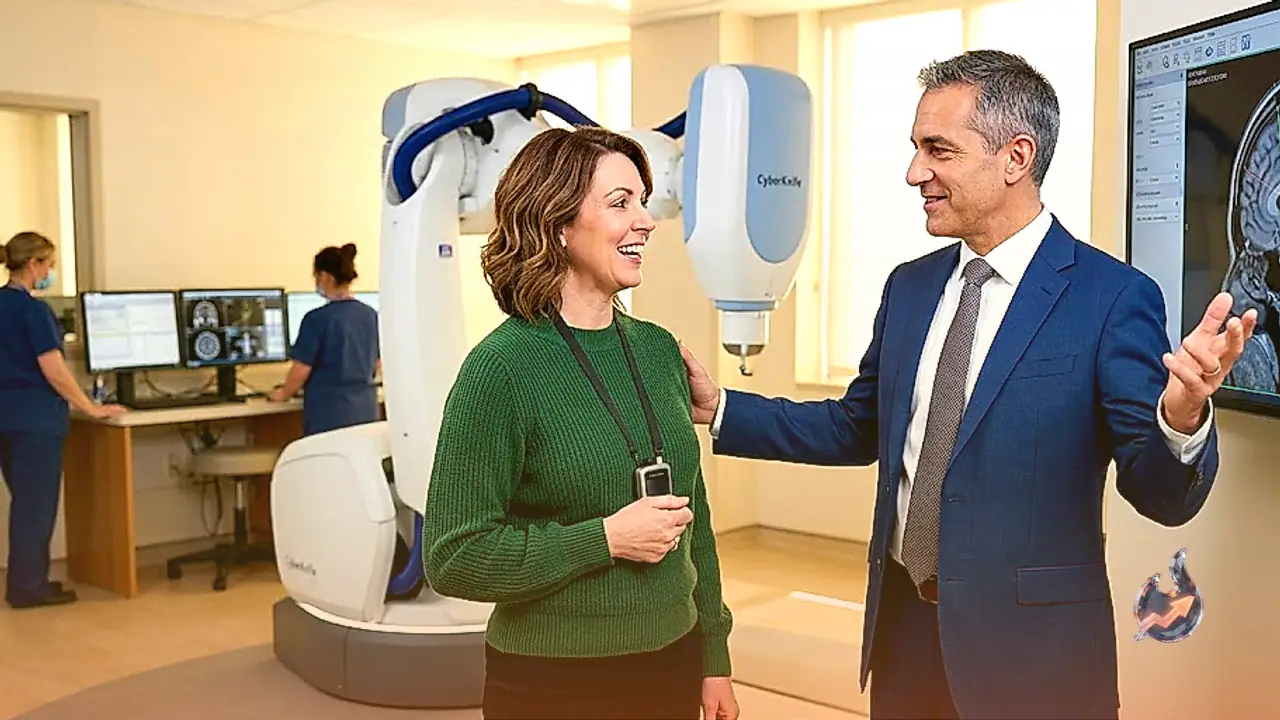

Surgical interventions for neurological disorders have undergone a radical transformation over recent years. Medical specialists once faced severe limitations when addressing complex brain ailments, often constrained by high-risk procedures and prolonged recovery periods. The evolution that began with sophisticated diagnostic imaging has now culminated in automated, high-precision interventions that were virtually unimaginable just a decade ago.
Rapid Tumor Care Through Focused Radiosurgery
Outlining these transformative advancements, Dr. Aditya Gupta, Chairman of Neurosurgery and CNS Radiosurgery as well as Co-Chief of the CyberKnife Centre at Artemis Hospital, noted that engineering innovations have opened unprecedented pathways for treating cranial lesions. He highlighted that selective brain tumors can now be addressed in sessions lasting approximately 40 minutes using platforms such as CyberKnife.
Conventional craniotomies typically demand invasive incisions, extensive hospitalization, and elevated risks of postoperative trauma. In contrast, non-invasive robotic radiation directs concentrated therapeutic beams strictly at the target tissue, sparing vital adjacent neurological pathways. Consequently, patients undergo minimal physical discomfort and experience a substantially smoother return to daily life.
Deep Brain Stimulation for Medication-Resistant Parkinson's
Contemporary neurological care emphasizes not merely the management of pathology, but the active restoration of personal independence. Within this philosophy, Deep Brain Stimulation (DBS) has emerged as a crucial clinical strategy, particularly for individuals battling advanced Parkinson's disease who experience diminishing responses to pharmacological therapies.
As Parkinson's advances, pharmaceutical regimens often lose consistency, forcing individuals to consume medication doses as frequently as every two hours. This relentless medication cycle severely disrupts daily productivity, emotional well-being, and basic physical autonomy.
Implanted Electrodes and Pulse Generators Modulate Neural Signals
The DBS protocol operates by regulating disrupted bioelectrical circuits inside the brain. During this neurosurgical procedure, ultra-thin medical electrodes are precisely threaded into predetermined brain nuclei that govern physical coordination. These fine wires are subsequently connected to a pulse generator resembling a cardiac pacemaker, situated subcutaneously beneath the chest wall.
This internalized device delivers mild electrical pulses that modulate irregular neurological activity, directly mitigating persistent tremors, rigidity, and involuntary muscle contractions. Clinical outcomes reveal that accurately screened candidates demonstrate remarkable recovery in functional mobility and overall quality of life.
Clinical Rigor and Proper Patient Identification
Individuals confronting Parkinson's need not lose hope regarding their long-term vitality and lifestyle. Nevertheless, this advanced intervention is not universally applicable to every individual diagnosed with the condition. Medical teams perform exhaustive clinical assessments, analyzing disease progression, neurological symptoms, and individual pharmacological responsiveness before determining candidacy. When applied to appropriately evaluated individuals, this therapy delivers substantial restorative benefits. As Dr. Aditya Gupta emphasized, the overarching mission driving technological progress in neurosurgery is ensuring patients receive safer care that enables autonomous, dignified living.