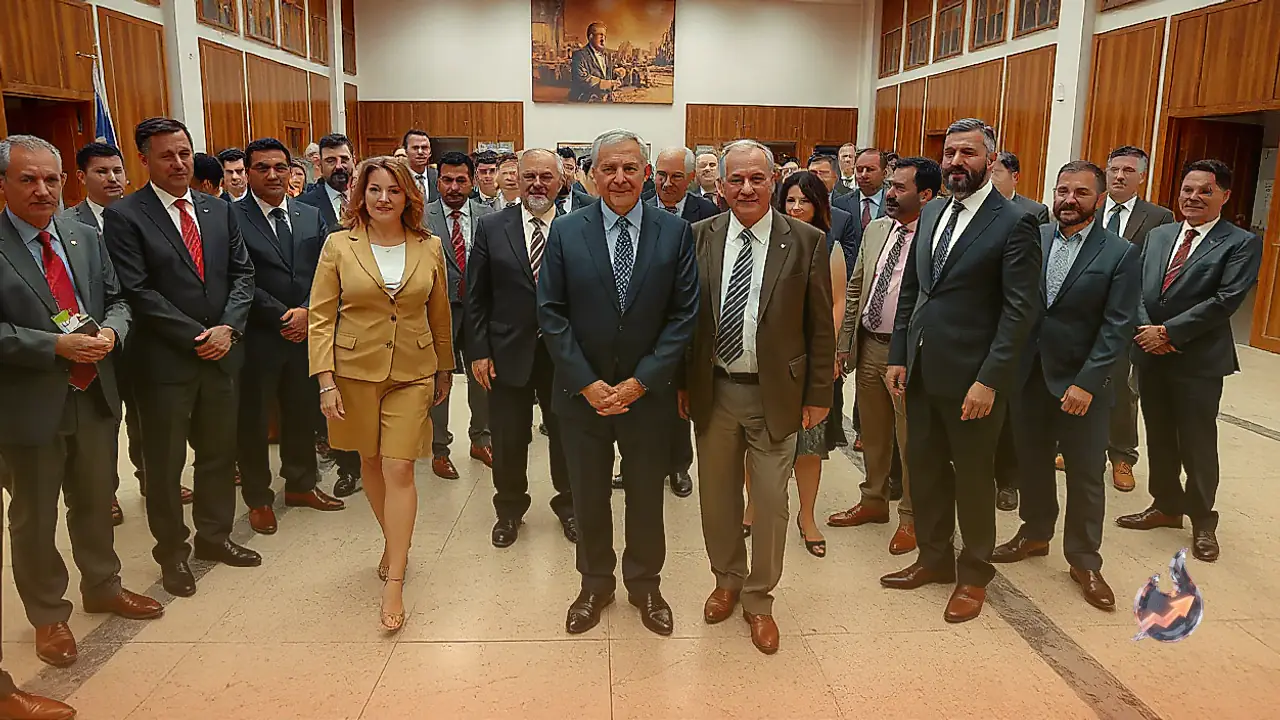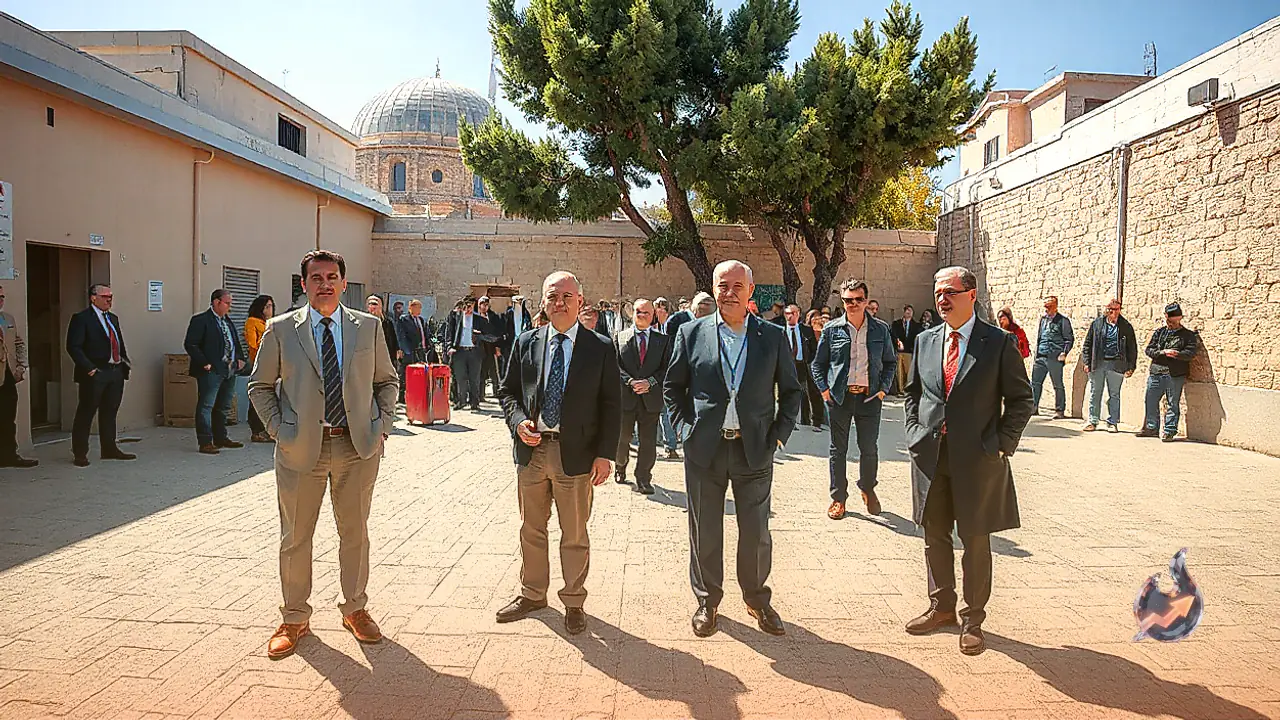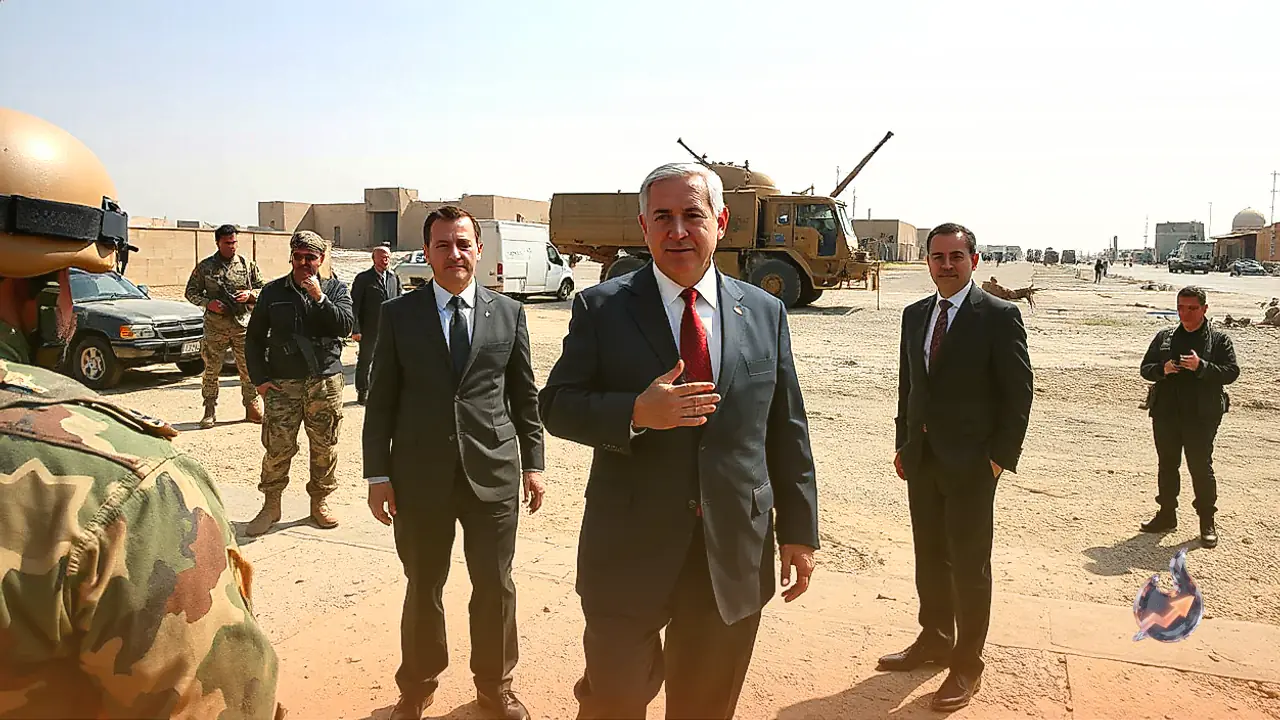

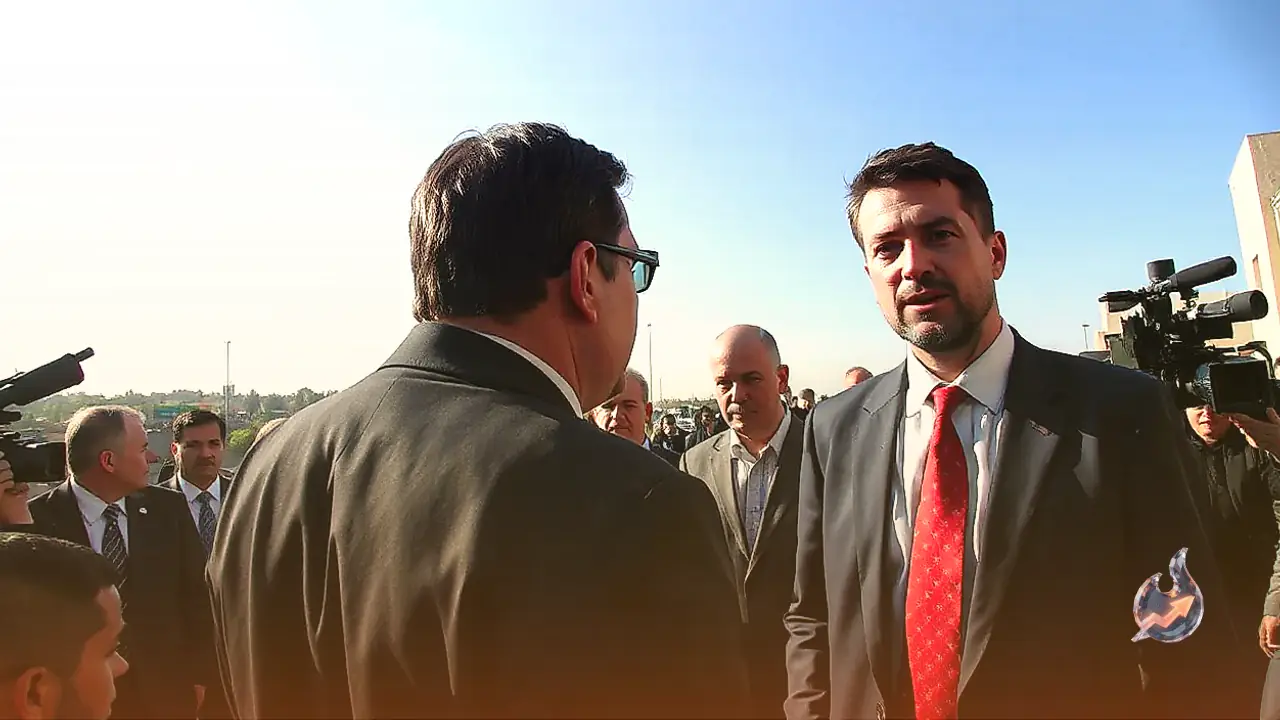






















Israel is bracing for a new political chapter as President Isaac Herzog announced his decision to task opposition leader Gadi Eisenkot with the formation of a coalition government. This critical development follows last week's general election, which ended in a deadlock as neither Eisenkot's political bloc nor incumbent Prime Minister Benjamin Netanyahu's faction secured the necessary majority in the Israeli parliament, universally known as the Knesset.
The 28-Day Mandate and Political Realities
With this official mandate, Eisenkot will now have 28 days to negotiate and assemble a functioning administration, with a potential 14-day extension available if negotiations require more time. Addressing the public regarding the enormous task ahead, the former military chief wrote on X that the time had arrived to build a national emergency government and pledged to do everything possible to prove worthy of the trust. Historically, no political party in Israel has ever won an outright majority on its own, making coalition administrations an absolute necessity for governance in the nation.
The arithmetic inside the 120-seat Knesset illustrates the deep division across the political spectrum. Netanyahu's right-wing Likud party, alongside its far-right and ultra-Orthodox Jewish allies, managed to secure 53 seats. Meanwhile, Eisenkot's centrist Yashar party and three additional Jewish opposition parties within his coalition collectively won 48 seats. A dramatic shift occurred with two Arab-led alliances, the United Arab List and the Joint List, which captured an unprecedented 19 seats following a significant surge in voter turnout among Arab citizens.
The Kingmaker Dilemma and Presidential Consultations
These 19 seats position the Arab-led factions as potential kingmakers in the ongoing political maneuvering. However, prior to the elections, all but one of the Jewish parties had publicly pledged not to collaborate with Arab factions to establish a government. Following a week of intensive consultations with delegations representing all incoming Knesset members, President Herzog announced that Eisenkot would be granted the first opportunity to build a governing coalition. An official statement released by the president's office confirmed that both Eisenkot and Netanyahu had been formally notified of the decision.
During the nomination process tied to the parliamentary consultations, Eisenkot garnered 67 recommendations for the premiership, while Netanyahu secured 46 recommendations. The Israeli presidency holds broad constitutional discretion to designate the individual deemed to have the highest probability of successfully forming a coalition, meaning the president is not strictly obligated to select the leader of the party that won the highest number of individual seats.
Overcoming Obstacles and Past Precedents
Forming a stable government will present formidable challenges for Eisenkot. While Eisenkot and every member of his bloc except one have historically declined to enter into government arrangements with Arab parties, analysts suggest that pragmatic agreements could still be explored behind closed doors. Alternatively, he could attempt to negotiate a pact with ultra-Orthodox parties, though such an alliance would similarly encounter severe political hurdles.
Precedents for power-sharing unity governments do exist in modern Israeli politics. In 2020, following three consecutive deadlocked elections, Netanyahu and his centrist rival Benny Gantz successfully negotiated a rotational power-sharing agreement where the prime ministerial leadership alternated between them. Throughout his recent consultations, President Herzog emphasized to party representatives that avoiding yet another costly election cycle requires political factions to recognize that not every campaign promise can realistically be fulfilled in the current national climate.
Between 2019 and 2022, Israel experienced one of its most fractured political eras, forcing the country through five separate elections as Netanyahu and his diverse array of rivals repeatedly struggled to maintain functional cooperation. Eisenkot now faces the arduous task of breaking this cycle and forging a sustainable administration.