






















The historic victories scored by Democrats in this week’s midterm elections are poised to send shockwaves through the technology sector. As the dust settles on a tumultuous election cycle, tech companies and particularly those heavily invested in artificial intelligence infrastructure are finding themselves confronted with a significantly more hostile political and regulatory landscape.
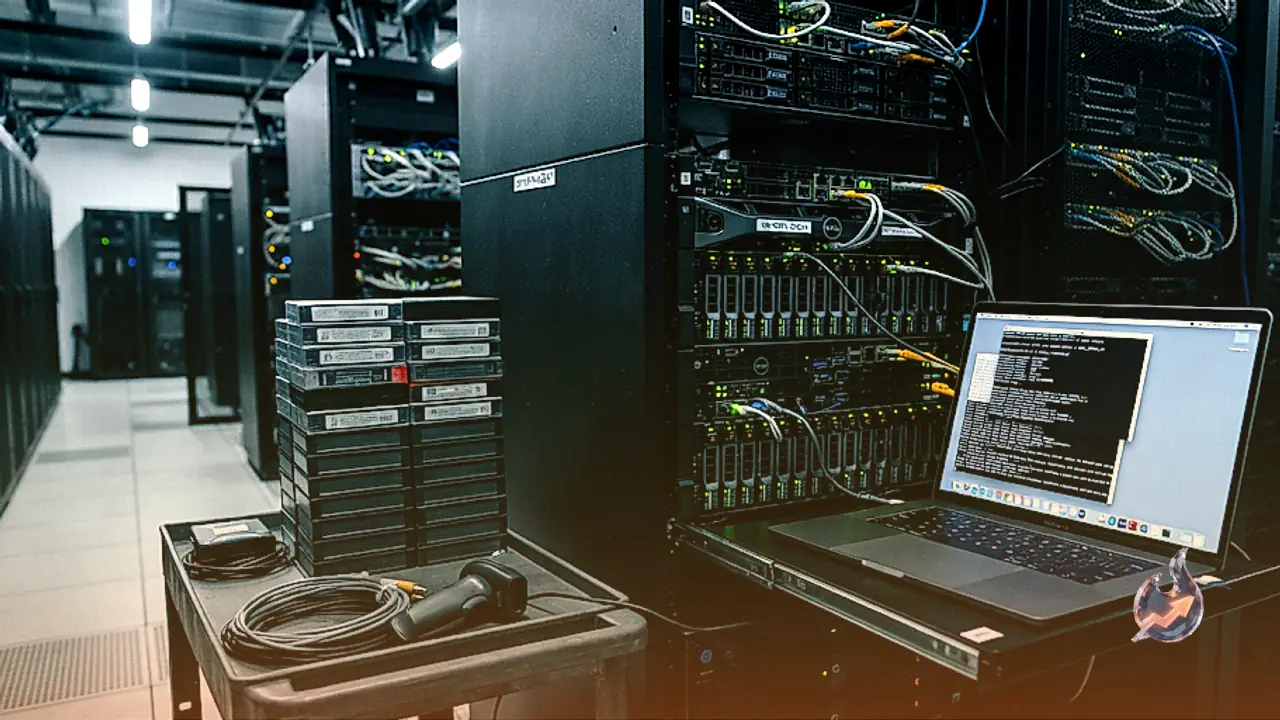
Across numerous local ballot measures, voters decisively rejected proposals that would have facilitated the rapid expansion of data centers. Even in jurisdictions where the issue was not directly on the ballot, voters cast their ballots for political candidates who campaigned explicitly on promises to restrict and regulate data center developments. A prime example is Texas’ new governor-elect, Gina Hinojosa, whose gubernatorial campaign featured strong anti-data center pledges.
During a recent discussion on tech industry implications, analysts highlighted the curious position of high-profile figures. Despite donating half a billion dollars to Republican causes, Elon Musk appears to have gained virtually nothing tangible from the investment, while his primary business enterprises remain headquartered in a state that has shifted remarkably toward the Democratic column.
While data center expansion may not have been the sole catalyst behind the broader political shift, it has rapidly evolved into a potent grassroots issue. Much of this public backlash stems from the opaque methods hyperscalers and tech corporations have historically used to secure project approvals. In response to mounting public pressure, major players in the artificial intelligence space, including OpenAI, are suddenly discovering a newfound flexibility in their operational policies.
Voters across the nation systematically shot down ballot initiatives that would have paved the way for faster data center construction. Conversely, measures designed to impose strict regulations, moratoriums, or outright restrictions on such facilities passed with notable consistency. With Democrats holding power, a clear consensus has emerged within the technology sector that future infrastructure projects will face severe regulatory hurdles, particularly in key states like Texas under leadership committed to reining in these developments.
Although some industry observers argue that the tech community may be hyper-fixating on this specific political outcome, the underlying grassroots energy is undeniable. The sentiment opposing unchecked data center proliferation proved to be a powerful bipartisan force, one that Democratic candidates successfully harnessed during Tuesday's elections. The political momentum generated by anti-AI and anti-data center currents suggests that the next two years and beyond will present persistent difficulties for hyperscalers.
The grassroots mobilization against these massive facilities was fueled largely by the secretive tactics employed by developers. Companies frequently required local elected and appointed officials to sign non-disclosure agreements, withholding vital details regarding the immense scale of projects proposed for environmentally sensitive regions, particularly in water-stressed parts of the Southwest. This lack of transparency alienated voters across the political spectrum, uniting Republicans, independents, and Democrats in opposition.
In a telling shift, major AI firms that previously insisted strict operational secrecy was mandatory are now scrambling to adjust their public stances. OpenAI recently unveiled what it terms a compute campus policy blueprint, signaling an end to the mandatory use of non-disclosure agreements and promising greater transparency regarding future plans. This corporate pivot illustrates that industry players will respond and adapt when faced with clear regulatory signals and unified public resistance.
As public perception of traditional data centers has grown increasingly negative, companies are attempting a semantic rebrand, shifting terminology from data centers to compute campuses in an effort to soften their public image. Critics remain skeptical, however, arguing that cosmetic terminology changes will do little to appease communities concerned about the massive energy and water consumption associated with these facilities.
Compounding these political and regulatory challenges is a concurrent shift in sentiment on Wall Street. Investors are growing increasingly cool toward the astronomical capital expenditures being poured into new data centers and AI compute infrastructure. With regulatory barriers mounting and financial markets showing reluctance to endlessly reward heavy infrastructure spending, the tech industry faces a complex balancing act as it attempts to scale future operations.