



















Both dalia and khichdi hold an essential place in Indian culinary traditions, widely recognized as wholesome, simple, and gentle on the digestive system. While many individuals view them interchangeably as basic convalescent or comforting fare, their core ingredients, preparation methods, and nutritional values differ significantly. Choosing between them depends on specific physical requirements and the time of day.
Understanding Dalia: Origins and Key Health Advantages
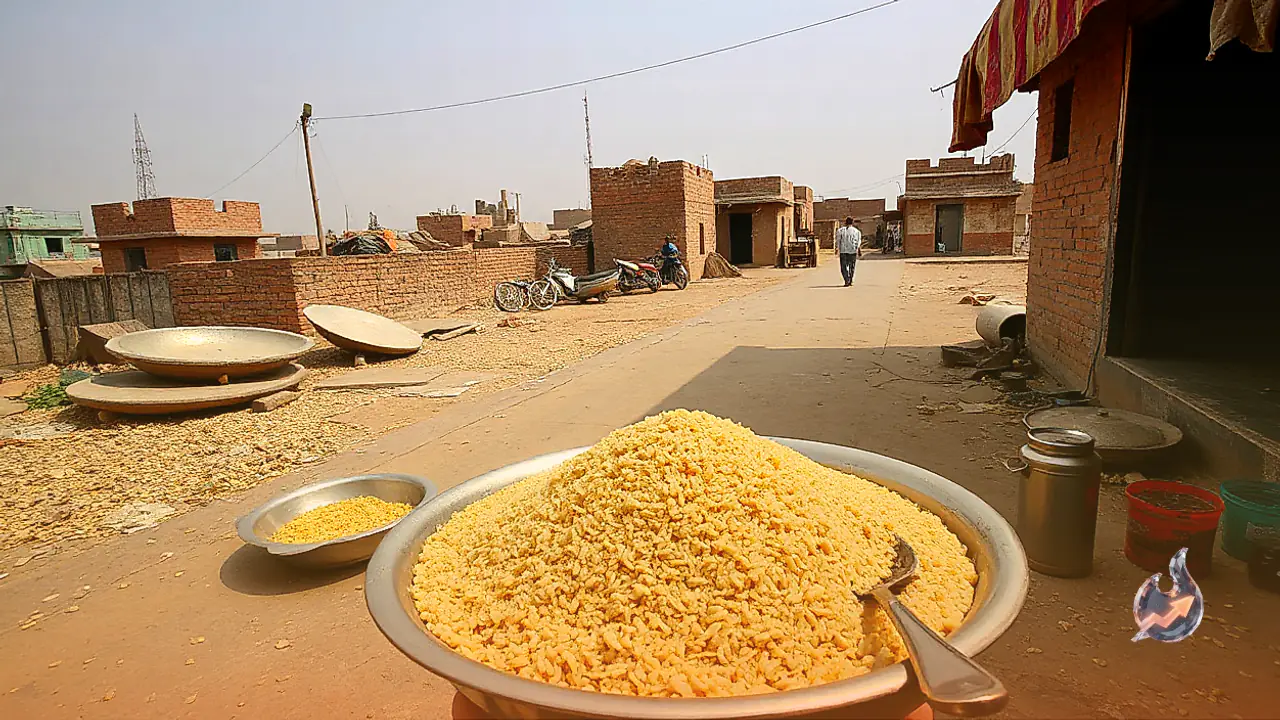
Dalia is primarily prepared by coarsely cracking whole wheat grains. Its culinary versatility allows it to be prepared as either a sweet or savory dish. Depending on individual preference, it can be cooked with milk, plain water, seasonal vegetables, or lentils. Its nutritional profile delivers several targeted health benefits
- Abundant Fiber for Digestive Wellness: Rich in dietary fiber, dalia supports regular bowel function and plays an active role in easing constipation by improving overall gut motility.
- Effective Weight Management: Consuming dalia promotes prolonged satiety. By keeping the stomach feeling full for extended periods, it curtails frequent hunger pangs and assists in maintaining an optimal body weight.
- Sustained and Steady Energy: The complex carbohydrates found in cracked wheat are digested gradually, supplying the body with a consistent, slow-burning stream of energy rather than rapid spikes.
- Cardiovascular Support: Regular intake of dalia can aid in lowering bad cholesterol levels, which in turn contributes to long-term heart health.
The Healing Qualities of Traditional Khichdi
Khichdi is traditionally prepared by combining rice with lentils. Many households enhance its taste and nutritional value by adding vegetables, ghee, and mild spices. It is universally considered the premier comfort meal during illness or whenever the body requires an easily assimilable meal. Its primary attributes include
- Effortless Digestion: Khichdi imposes minimal stress on the gastrointestinal tract, making it the ideal nutritional choice for recovering patients, children, and elderly individuals.
- Balanced Protein and Carbohydrate Harmony: The pairing of lentils and rice provides a complete amino acid profile alongside steady energy, delivering well-rounded nourishment in a single pot.
- Enhanced Immunity Support: Incorporating diced vegetables into the preparation noticeably elevates the vitamin and mineral content, reinforcing the body's natural defense systems.
- Relief from Gastric Distress: During bouts of indigestion, acidity, or an upset stomach, warm khichdi serves as a soothing, irritation-free meal.
Core Differences in Ingredients, Nutrition, and Usage
The primary distinction between the two dishes lies in their primary ingredients. Dalia is milled exclusively from cracked wheat, whereas khichdi relies on a blend of rice and lentils. In terms of macronutrient distribution, dalia typically holds an advantage in dietary fiber, while khichdi tends to offer a higher protein concentration due to its lentil base.
Although both dishes are easy to digest, khichdi is widely regarded as the lighter option for an irritable stomach. Eating habits also reflect this division: dalia remains a favored staple for breakfast or lighter early meals, whereas khichdi is predominantly prepared for lunch or dinner.
Selecting the Right Dish for Your Wellness Goals
Both dalia and khichdi offer exceptional nutritional value. If your primary objective is reducing weight, managing appetite over longer stretches, and increasing daily fiber intake, dalia serves as the superior pick. Conversely, if you require a soothing meal that digests rapidly without straining the stomach while still providing quality protein, khichdi is the better choice. Including both items alternately in a balanced weekly diet ensures comprehensive nutritional coverage.