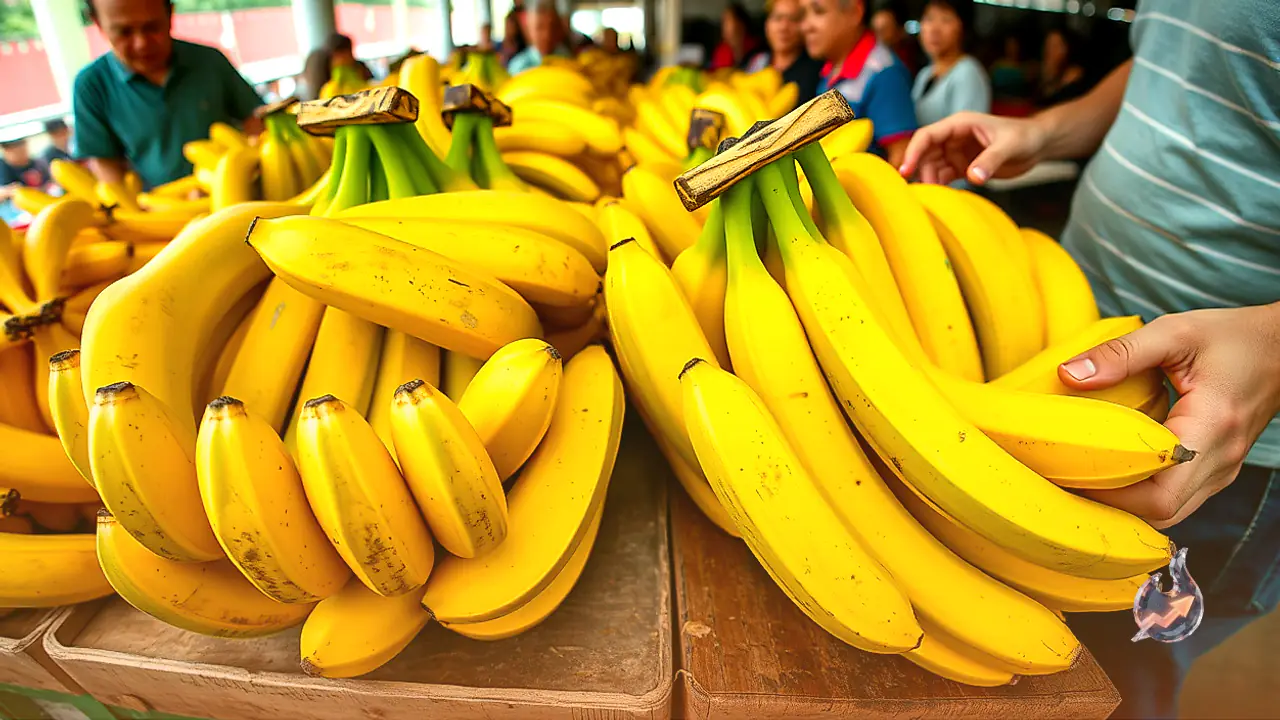

The banana remains one of the most accessible and widely consumed fruits across every season. While most households treat the ripe fruit as an everyday staple, the unripened green variety frequently takes center stage in savory home cooking. Although they are merely different maturity stages of the exact same agricultural produce, their underlying nutritional profiles, flavor compounds, and physiological impacts on the human digestive system could not be more distinct. Understanding these variations allows individuals to tailor their intake according to specific metabolic needs.
Visible Transformation and Natural Sugar Formation
An unripe banana presents a firm, dark green peel protecting a dense, rigid interior pulp. In its raw form, the flesh carries a starchy, slightly astringent, and largely neutral taste. As the fruit undergoes its natural maturation cycle, the peel turns a vibrant yellow, while the interior softens into a velvety, creamy texture. This transformation is driven by a fundamental biochemical reaction: the tightly bound insoluble starches within the fruit break down into simple natural sugars, yielding the rich, sweet flavor characteristic of ripe produce.
Resistant Starch Versus Immediate Energy Release
In terms of macronutrient architecture, green bananas are packed with exceptional amounts of resistant starch and dietary fiber. Resistant starch resists breakdown in the upper gastrointestinal tract, causing food to digest at a substantially slower pace. Consequently, individuals who consume raw bananas experience prolonged satiety and stay fuller for longer intervals. Conversely, as ripening progresses, these complex carbohydrates convert into sucrose, fructose, and glucose. This surge in simple sugars allows ripe yellow bananas to deliver an almost instantaneous burst of metabolic energy, making them highly effective for rapid recovery.
Gut Microbiome Support and Ease of Digestion
The high fiber and resistant starch content of green bananas serve as vital nourishment for the gut, aiding in the fortification of the intestinal lining and reinforcing overall digestive health. However, their density can occasionally challenge sensitive stomachs. In contrast, ripe bananas excel in effortless digestibility. The broken-down pectins and soft fibers pass smoothly through the gastrointestinal pathway without imposing digestive strain. Because of this gentle profile, fully ripened bananas serve as an optimal food source for infants, older adults, and anyone recovering from digestive fatigue.
Glycemic Response and Blood Sugar Management
For individuals tracking their glucose levels, the distinction between green and yellow fruit is critical. Unripe green bananas possess a comparatively low glycemic index, ensuring that carbohydrates enter the bloodstream at a gradual, controlled pace without causing sudden glucose spikes. Ripe bananas, owing to their elevated concentrations of free natural sugars, register higher on the glycemic scale. Consequently, individuals living with diabetes need to moderate their portion sizes when including fully ripe yellow bananas in their meal plans.
Culinary Applications and Weight Goals
Culinary practices mirror these biological differences. Raw green bananas function predominantly as a culinary vegetable, forming the foundation of savory curries, pan-fried crisps, dumplings, and spiced cutlets. In numerous cultural traditions, spiced green banana dishes also serve as a staple during religious fasting periods. Ripe bananas, on the other hand, are consumed raw straight from the peel or blended into morning smoothies, milkshakes, baked pastries, and traditional desserts.
These differences directly inform dietary strategies for body composition. Those seeking to trim excess body weight benefit substantially from the high satiety factor of raw bananas, which curbs persistent cravings and lowers overall caloric intake. In contrast, individuals seeking healthy weight gain leverage the energy density, higher calories, and fast-absorbing carbohydrates of ripe bananas to boost their daily nutritional intake efficiently.
Selecting the Ideal Option for Your Personal Routine
Determining which form of the fruit holds greater value depends entirely on individual dietary objectives. If the priority centers on stabilizing blood sugar spikes, maintaining prolonged fullness, and cultivating gut resilience, incorporating cooked raw bananas offers clear advantages. However, if the primary requirements involve rapid physical revitalization, easy assimilation during illness, or an immediate pre-workout fuel source, reaching for a ripe yellow banana remains the superior decision.