




















With the festive season of Diwali around the corner, market squares are buzzing with commerce, and in the Balod district, a collective of rural women is turning the celebration into a showcase of grassroots self-reliance. Associated with the Chahat Bihan Self-Help Group, these women are combining festive craft with sustainability by rolling out handmade decorative items. Their product lineup includes traditional earthen lamps, eco-friendly diyas moulded from cow dung, and homemade candles. To make each piece visually striking for festive shoppers, the women have carefully painted them in vivid hues, lending an artisanal finish that stands out against factory-made alternatives.
Preparations Launched During the Navratri Season
Meeting festive demand requires foresight, and the collective began its production cycle weeks in advance. Raveena Sahu, an active member of the self-help group, noted that preparations were put into motion back during the Navratri festivities. A dedicated workforce of around 30 women works together across the production pipeline, handling clay shaping, cow dung mixture casting, and candle moulding. This initiative is not a one-off project; the group has been running this production drive consistently for the past three years. Each festive cycle witnesses a surge in demand for eco-conscious home decor, offering these women a dependable avenue to secure supplementary household income without abandoning their daily routines.
Budget-Friendly Pricing Geared Toward Eco-Conscious Buyers
The self-help group deliberately set product rates to ensure affordability for average household budgets while promoting sustainable materials. Customers can purchase a pack of 5 earthen diyas for 50 rupees, while an artisan set of 4 cow dung diyas is also priced at 50 rupees. For lighting alternatives, the group offers homemade decorative candles priced between 100 and 120 rupees per unit. The cow dung diyas are specially painted and finished to encourage local families to embrace biodegradable, traditional materials rather than non-recyclable festive goods that create post-holiday waste.
Expanding Direct Sales to Administrative Hubs
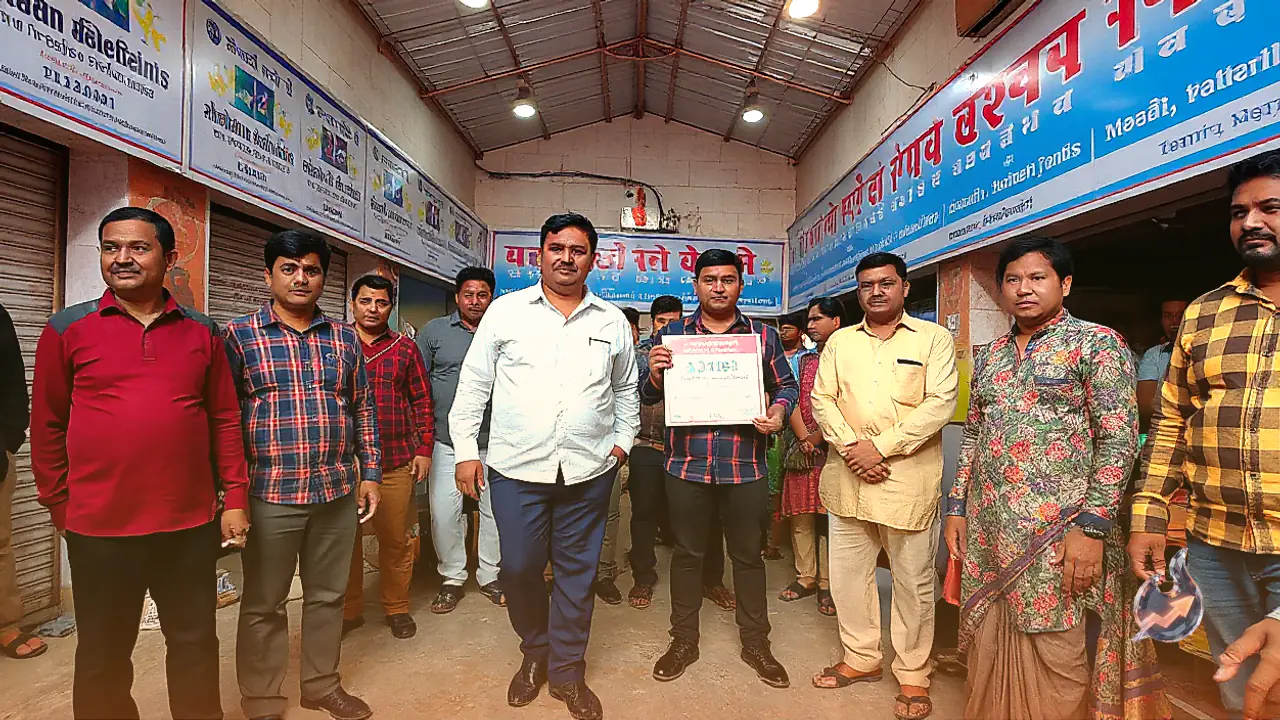
Rather than depending exclusively on local retail storefronts or street vendors, the women expanded their distribution channels across key public institutions. Group members set up sales points directly across administrative venues, including the Balod market, the collectorate complex, the district administrative offices, the tehsil office, and the janpad panchayat premises. This targeted distribution model allows the artisans to sell directly to government employees and visiting citizens, cutting out middlemen entirely, retaining the full margin of each sale, and building widespread local credibility for their grassroots enterprise.
A 40,000-Rupee Seasonal Income Boost
The concentrated period of festive sales translates into significant financial returns for the collective. According to Raveena Sahu, the self-help group accumulates around 40,000 rupees in supplementary income over the short span of the Diwali season. This financial return plays a crucial role in bolstering household budgets and advancing financial autonomy among the rural women involved. By using locally sourced, readily available raw materials like clay and cow dung, the artisans have created a sustainable business model centered around seasonal demand. Through this initiative, the Chahat Bihan group members are not only supplying lights for festive homes across the district, but also generating lasting economic empowerment for themselves.