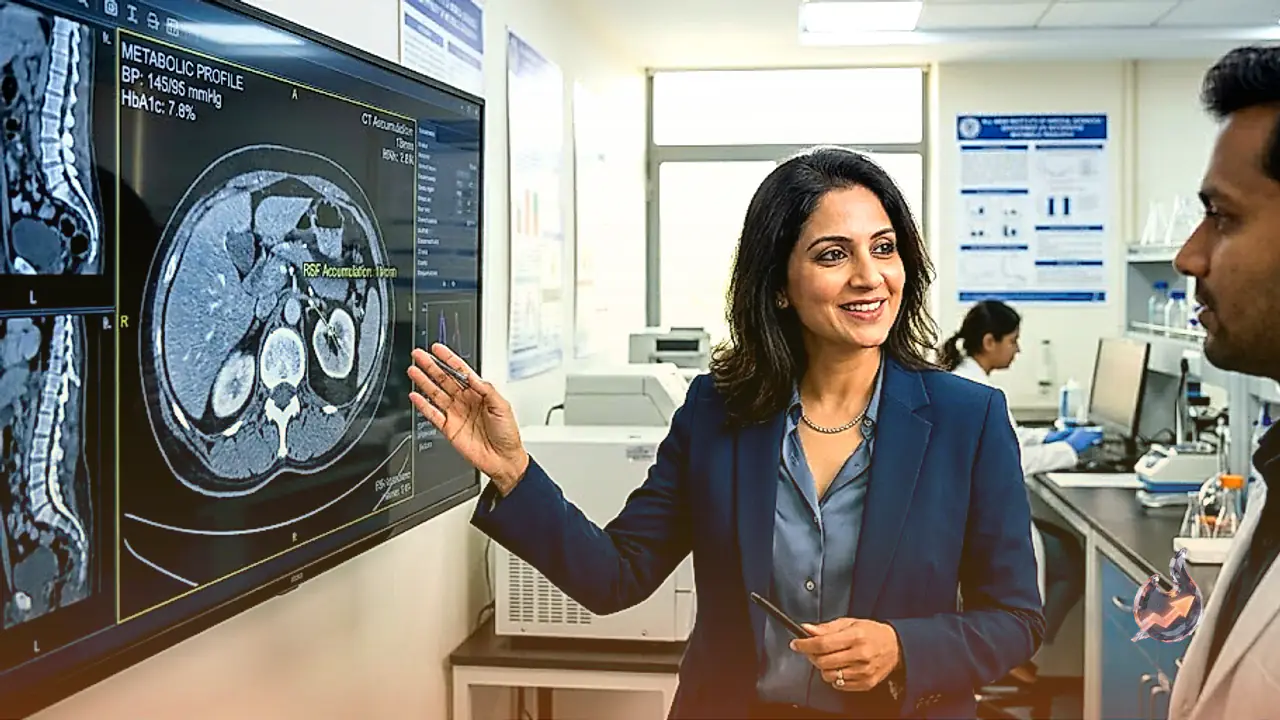























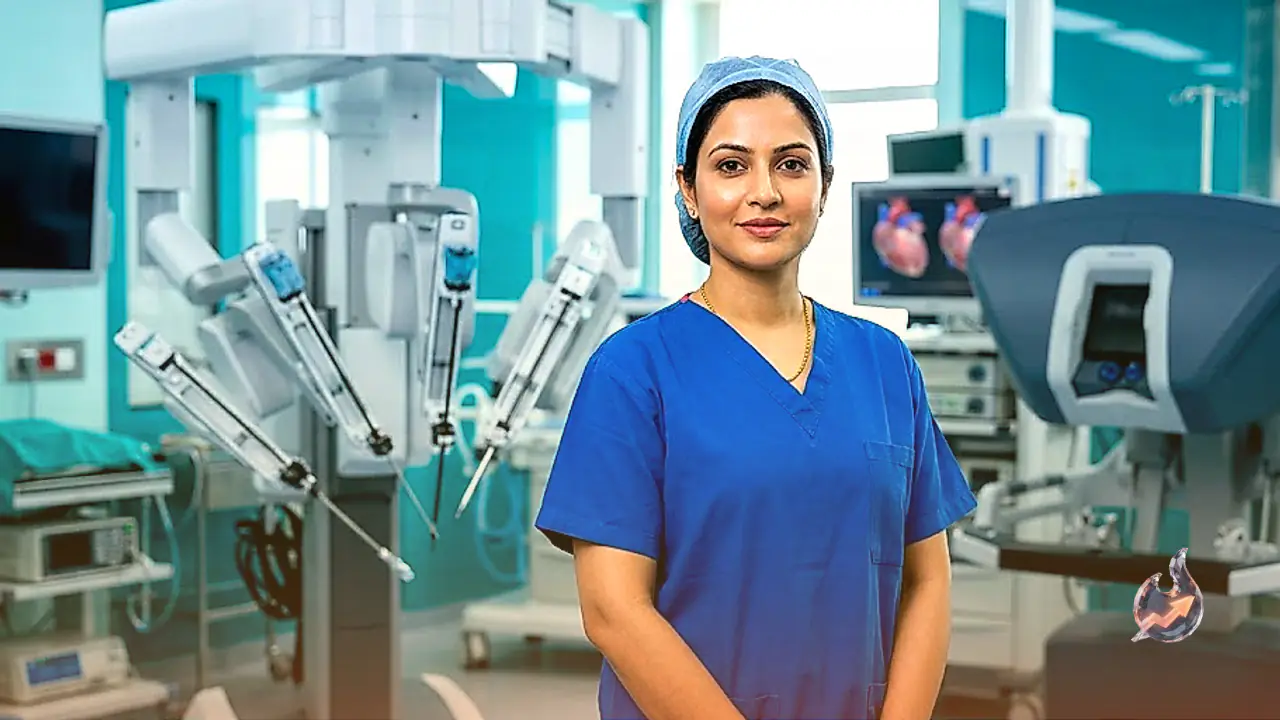

Surgeons at VMMC and Safdarjung Hospital in New Delhi have achieved a historic breakthrough in cardiac medicine by executing the world's first robotic valve replacement on a 39-year-old patient whose heart had operated in reverse since birth. The patient's anomalous cardiac anatomy exerted continuous unnatural strain on the heart muscle over nearly four decades, eventually leading to severe valve failure that required specialized surgical intervention.
An Anatomical Marvel: Living 39 Years with a Reversed Heart
Under normal human physiological conditions, the heart is divided into distinct anatomical chambers designed for specific workloads. The right side of the heart is engineered for low-pressure circulation, pumping oxygen-depleted blood exclusively to the lungs for oxygenation. Conversely, the stronger left side bears the heavy responsibility of circulating oxygen-rich blood across the entire systemic circulatory system of the body.
In this extraordinary clinical case, the patient was born with a congenital mirror-image configuration. For 39 years, the right side of his heart performed the demanding task of systemic pumping, driving blood throughout his entire body in addition to supplying his lungs. Because the right ventricle and its associated valves are structurally designed for low-pressure environments, enduring high-pressure blood flow over nearly 40 years gradually weakened the cardiac muscle and caused the valve to deteriorate.
Choosing Robotic Precision Over Open-Chest Surgery
Upon evaluating the patient's deteriorating condition at VMMC and Safdarjung Hospital, cardiothoracic experts identified the urgent need for a valve replacement. Conventional valve replacement procedures typically require a full sternotomy, a surgical technique involving a large chest incision and cutting through the breastbone. Given the patient's unique anatomical anomaly, open surgery posed significant risks and prolonged recovery periods.
To minimize physical trauma, the surgical team decided to utilize state-of-the-art robotic technology. Rather than making a massive incision, surgeons made a tiny keyhole opening measuring just 3 cm. Operating through this minimal incision, the team successfully replaced the damaged valve using high-precision robotic arms without fracturing any chest bones.
Four Days of Meticulous Planning and Mirror-Image Execution
The landmark procedure was spearheaded by Dr. Anubhav Gupta, Head of the Department of Cardiothoracic and Vascular Surgery at Safdarjung Hospital. Because the patient's heart operated as a literal mirror image of a standard organ, the surgical team could not follow traditional procedural orientations. Every step, tool positioning, and surgical angle had to be reversed in real time during the operation.
To navigate these complex anatomical hurdles, the medical team conducted four days of comprehensive pre-operative planning and simulation. The delicate operation was successfully completed in 3 to 4 hours in the surgical suite. Highlighting the success of the procedure, Dr. Anubhav Gupta noted, "The procedure avoided major incisions or bone cutting, allowing the patient to be discharged within days in excellent health."
Medical experts view this milestone as a pivotal advancement in modern cardiology. The successful outcome demonstrates that even highly intricate congenital heart defects can now be treated safely and effectively with minimal pain, reduced infection risk, and significantly faster patient recovery through robotic-assisted surgery.