





















The natural architecture of the human body is remarkably complex and resilient. When the skin suffers an external scratch or minor wound, the body easily heals itself, returning the tissue to its normal state within days. Furthermore, certain organs possess a remarkable ability to regenerate their own cells even after experiencing significant wear and tear. The liver serves as the most prominent example of this regenerative capacity. If a liver retains even 5 percent of its functional mass, it can rebuild itself independently, with only a few rare exceptions. However, unlike the liver, certain vital parts of the human body cannot grow new cells once their existing cells die off. When this happens in critical areas, a person can slip into a coma or become brain dead. These specific non-regenerative organs remain a persistent challenge for modern science, as medical treatments cannot naturally restore them once they are lost.
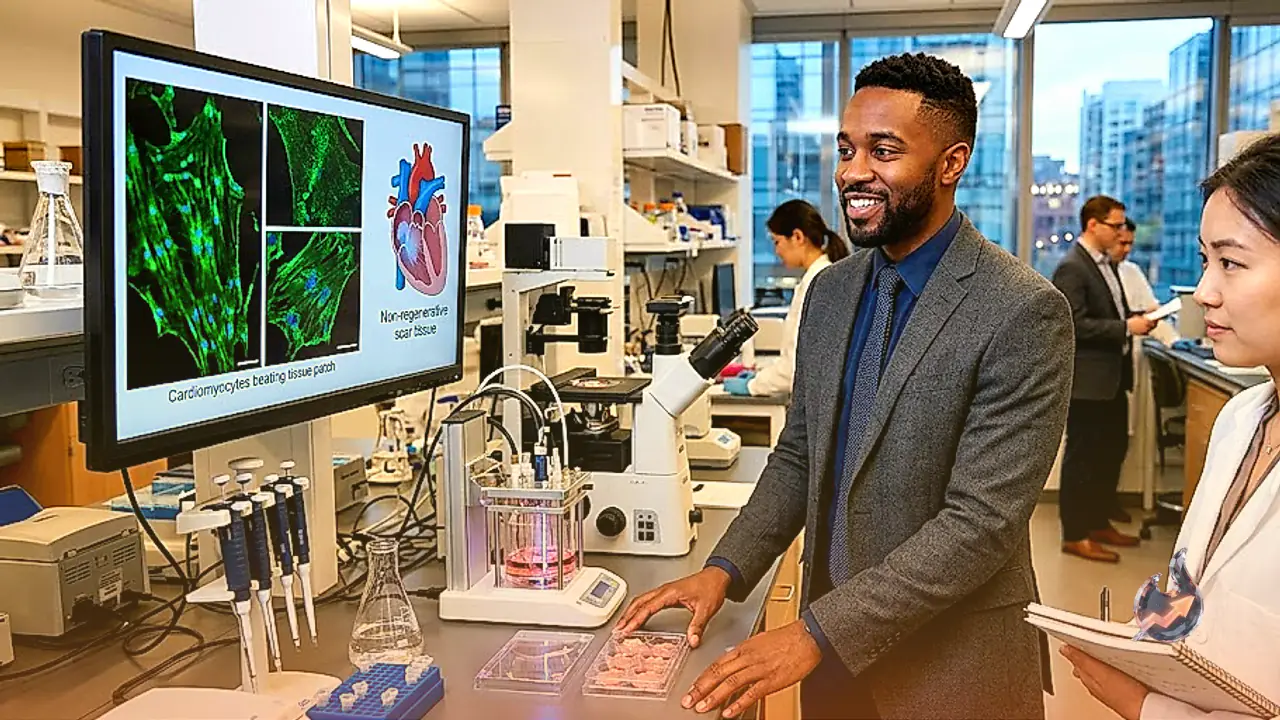
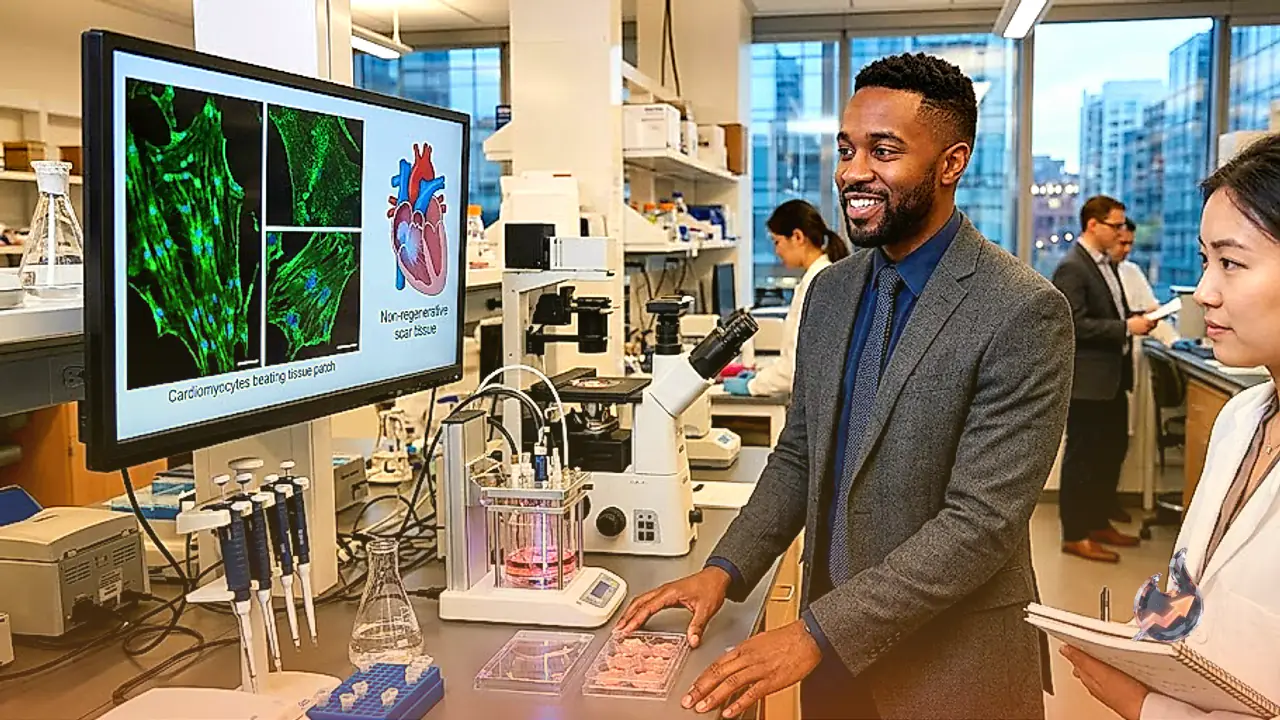
The heart is the single organ responsible for pumping blood throughout the entire circulatory system. Surprisingly, however, the specialized muscle cells of the heart, known as cardiomyocytes, cannot regenerate once they die. When asked how a person continues to survive after such cellular loss, the medical reality is that the organ is permanently weakened and the lost cells are replaced by fibrous scar tissue, which is always inferior in function. This limitation occurs because, shortly after birth, cardiomyocytes permanently stop dividing and enter a stationary phase where the cell cycle is permanently halted, preventing the formation of new cells. Dr. Jayant Jayantia, Senior Director of Internal Medicine, notes in a published report that once a heart attack occurs, it inflicts severe damage on cardiomyocytes, causing many of them to die. Fibrous scar tissue fills these vacant spots, but these patches never function like healthy tissue. Consequently, the heart suffers a permanent reduction in its pumping capacity. This does not mean a heart-pounding organ cannot recover at all; proper medical treatment, cardiac rehabilitation, and medications can successfully protect the remaining heart muscle, but the lost tissue can never be restored. Therefore, rebuilding large sections of damaged heart muscle remains a formidable challenge for medical science today.
In a similar fashion, brain cells, known as neurons, and the nerves within the spinal cord cannot regenerate if they suffer permanent damage. Neurons are highly specialized cells that completely lose their ability to divide after the early stages of human development. Consequently, once these cells are injured, the body cannot generate replacements. Likewise, the nerve cells in the spinal cord that facilitate message exchange between the brain and the body fail to regrow when damaged. Instead, fibrous scar tissue forms at the injury site, effectively blocking any new neural connections from forming. Repairing the brain and spinal cord remains an immensely difficult hurdle. While these conditions can be managed to a limited extent through regular care and modern therapies, complete biological restoration is unattainable. Dr. Satyendra Kateva, an expert in bone marrow transplants, explains that neurons possess an extremely limited capacity for regeneration, which is why any injury to them carries the risk of lifelong complications. Recovery following a brain or spinal cord injury does not mean the original tissue has grown back; rather, rehabilitation and modern therapies help the nervous system adapt and forge new pathways around the damage, even though the original severed routes can never sprout again.
Cartilage is a robust yet rubbery connective tissue found throughout the human body. Softer than bone but much firmer than muscle, cartilage resides in joints such as the knees and elbows, as well as in the ears, nose, and spinal column. Its primary function is to act as a cushion between bones, preventing direct friction and absorbing the shock of walking, jumping, or physical impacts. It also provides structure and flexibility to features like the nose and ears. If cartilage wears away completely, it cannot regenerate on its own. Its formation process is uniquely isolated; cartilage lacks a direct network of blood vessels to deliver vital nutrients. Instead, cartilage relies entirely on a diffusion process, where distant blood vessels apply pressure to transport nutrients inward and carry waste products away. Dr. Kateva points out that due to this insufficient blood supply, certain types of cartilage possess very poor healing capabilities. Consequently, cartilage damage repairs itself extremely slowly and can sometimes cause persistent, lifelong problems in the affected joints. This exact limitation is why cartilage degradation associated with conditions like osteoarthritis remains a permanent impairment.
Beyond heart muscle cells, cartilage, brain cells, and spinal cord nerves, numerous other body parts feature tissues that cannot naturally regenerate. These non-restorable structures include various bones, the nephrons within the kidneys, the alveoli inside the lungs, and the optic nerves connected to the eyes. Once these specific anatomical parts suffer permanent harm, the body lacks the biological mechanism to repair them.