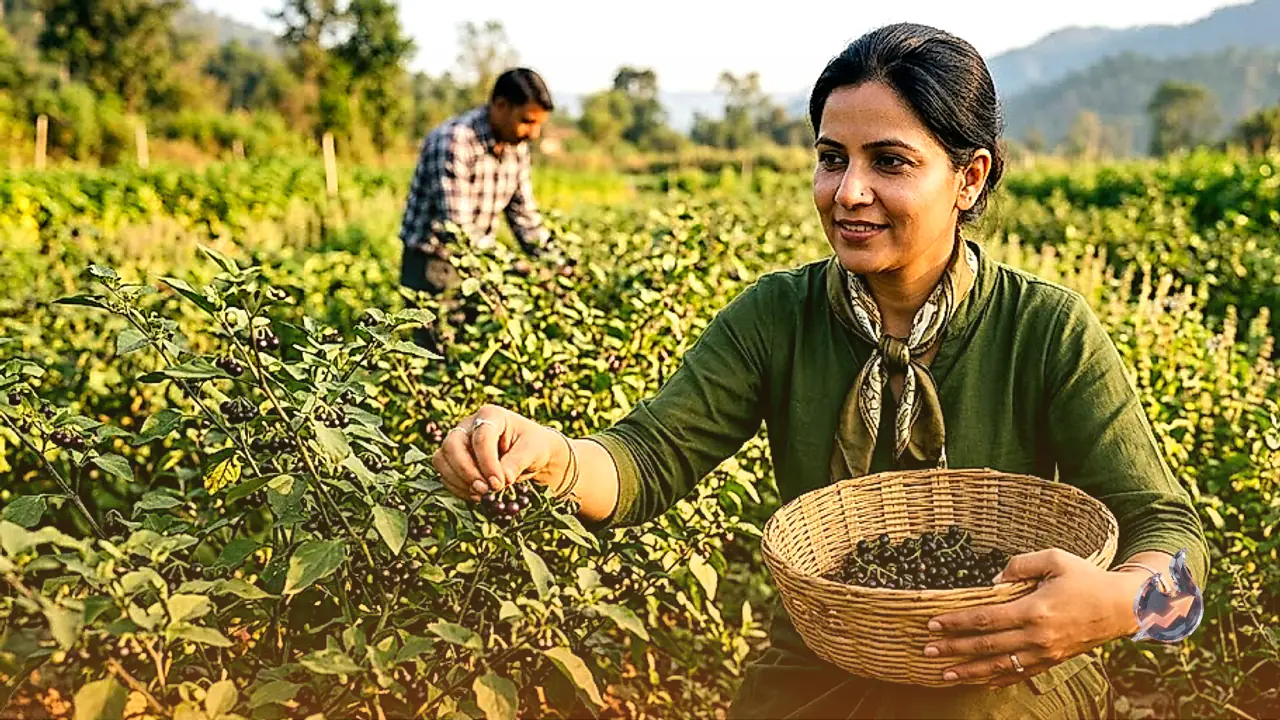























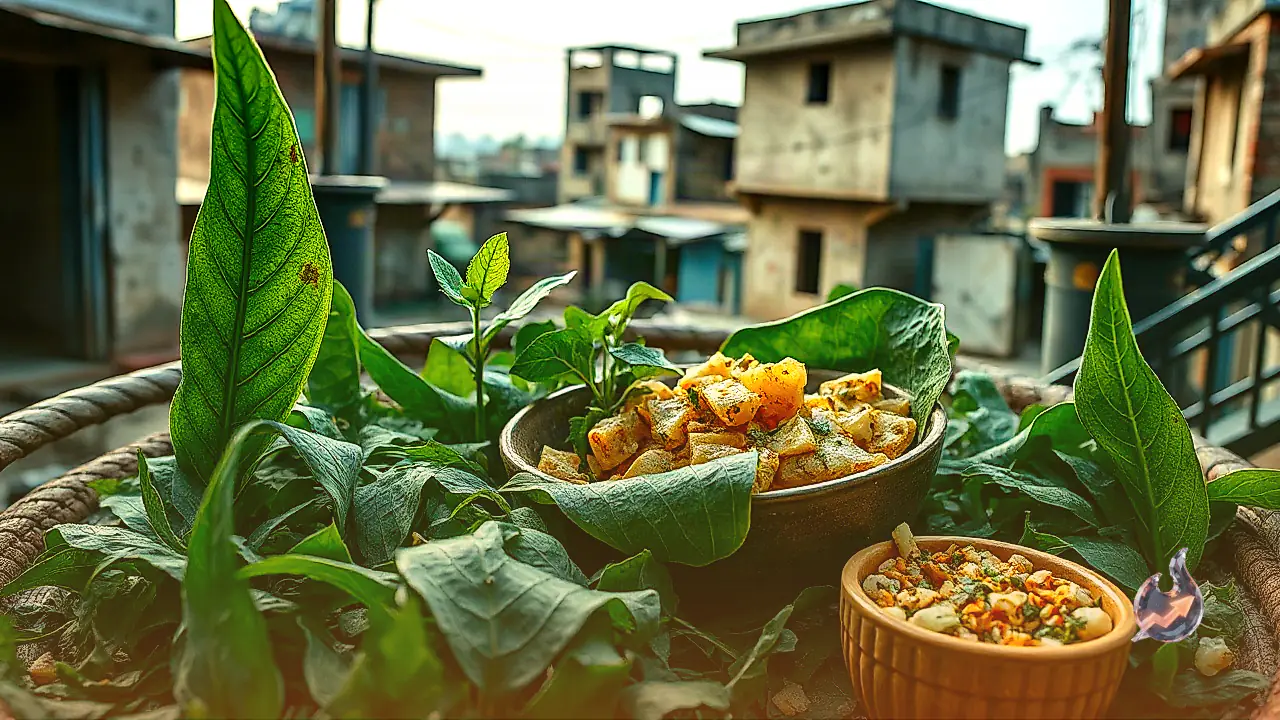

Incorporating nutrient-dense superfoods into everyday meals is one of the simplest ways to elevate overall well-being. Moringa, revered for centuries in traditional Ayurvedic practices, stands out because every part of the plant, including its leaves, pods, and stems, carries exceptional medicinal value. The leaves are especially rich in vital vitamins required by the human body to sustain energy and immunity. While many choose to consume moringa in the form of brewed tea, transforming freshly harvested leaves into savory breakfast flatbreads, commonly known as parathas, offers a far more comforting and appetizing way to begin the morning. In terms of both texture and wholesome nourishment, these flatbreads easily surpass conventional spinach or bathua preparations.
A Clever Blend of Nutrition and Flavor
Getting reluctant eaters or young children to consume leafy greens can often be challenging. Moringa parathas solve this dilemma seamlessly because the flavor blends naturally with spices without leaving a harsh aftertaste. In fact, when seasoned correctly, diners might not even realize that moringa is the key ingredient inside. While the leaves can either be pureed into a paste or finely chopped before kneading, chopping them by hand imparts an irresistible crispness to the dough as it cooks on the griddle. These warm flatbreads pair excellently with cooling curd, tangy sauces, or fresh mint and coriander dip.
Step-by-Step Preparation Guide
To begin, select fresh, tender moringa leaves. The quantity of leaves can be easily adjusted depending on the volume of flour used and personal taste preferences. Rinse the leaves thoroughly under cold running water to eliminate all dirt and impurities, then leave them in a colander until the moisture completely drains off. Once dry to the touch, chop the foliage as finely as possible with a sharp knife.
Next, place the finely chopped moringa leaves into a wide mixing bowl. Season the mixture with a pinch of salt, turmeric powder, freshly ground garlic and green chili paste, and white sesame seeds. Add 1 spoon of plain curd along with 1 spoon of cooking oil to the bowl before pouring in the wheat flour. Gradually incorporate small splashes of water while kneading until a smooth, pliable dough forms that can be easily rolled out without sticking or cracking.
Nutritional Tweaks and Cooking Instructions
For those looking to boost the protein profile and improve the texture of the bread, adding a small portion of gram flour or besan to the dough works wonders. Divide the kneaded dough into uniform balls, dust lightly with flour, and roll each portion into your preferred circular or triangular shape using gentle strokes. Heat a flat griddle over medium flame and roast each flatbread, applying a light brush of oil on both sides until golden brown specks appear and the edges become crisp. Individuals adhering to low-fat diets can skip the cooking oil entirely and dry-roast the dough like a standard phulka.
Serving Suggestions and Health Advantages
Serve the piping hot moringa flatbreads alongside seasoned yogurt, spicy green chutney, or a warm vegetable curry for a complete morning meal. It serves as an ideal lunchbox recipe for children, allowing them to benefit from greens without resistance. Loaded with dietary fiber, this wholesome dish supports healthy digestion and provides long-lasting satiety to keep morning hunger pangs at bay.