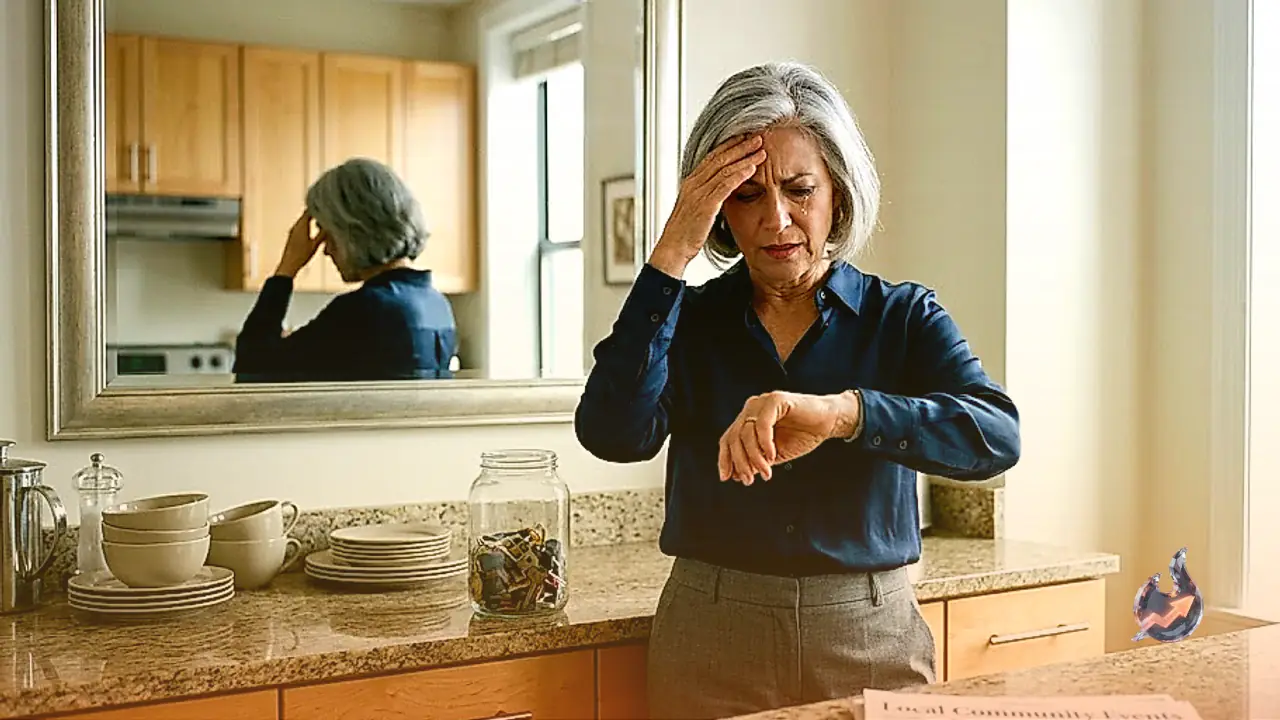

























During periods of elevated daily pressure, the repercussions often manifest not just internally, but visibly across the complexion. It is common to wake up to unexpected blemishes, an uncomfortable surge of oiliness, or a fatigued, dull reflection in the mirror. While people frequently blame erratic weather, lost hours of sleep, or a newly purchased cosmetic item for these sudden shifts, persistent mental strain also plays a substantial role in destabilizing dermal health. The physiological footprint of pressure varies widely from person to person, and there is no fixed zone on the face where these warning signs consistently appear first.
Even so, noticeable reactions frequently include heightened oil output, abrupt acne flare-ups, patches of parched dryness, burning sensations, and heightened sensitivity. According to the American Academy of Dermatology, periods of stress can aggravate acne in vulnerable individuals and exacerbate pre-existing dermatological disorders.
Hormonal Shifts and the Activation of Breakouts
Under stressful conditions, the human body undergoes a complex cascade of biochemical and endocrine adjustments. Central to this biological response is cortisol, a hormone whose heightened presence directly impacts sebum production in the sebaceous glands while simultaneously modulating systemic inflammation. Consequently, individuals with an inherent tendency toward acne often experience pronounced breakouts and inflamed pimples during demanding phases of life.
Among the observable physical indicators of tension, an increase in facial breakouts is perhaps the most rapidly noticed. For individuals already navigating chronic pimples, emotional distress frequently acts as an aggravating factor that intensifies flare-ups. Nevertheless, attributing every forehead bump solely to psychological pressure is an oversimplification. Hair grooming formulations, heavy facial moisturizers, normal hormonal fluctuations, and environmental factors can equally trigger blockages. When small bumps multiply during an intense week, resisting the urge to overhaul one's skincare shelf and instead evaluating lifestyle factors is the recommended approach.
Excess Oil, Dryness, and Heightened Sensitivity
Skin reactions to tension are far from uniform. For some individuals, the sebaceous glands kick into overdrive, leaving the face visibly greasy and shiny. This excess sebum easily congeals with dead skin cells to clog pores, fostering an environment where acne flourishes. Conversely, other people experience a diametrically opposite effect, where the protective barrier weakens, leaving the skin feeling dry, tight, and exceptionally fragile.
In vulnerable individuals, internal tension can intensify localized irritation, itching, and inflammatory responses. For example, those managing chronic eczema often identify heightened stress as a primary catalyst for sudden flare-ups. Yet, redness and dryness do not automatically point to mental distress as the sole origin. Shifting humidity, aggressive cosmetic ingredients, undetected allergies, and baseline skin disorders frequently play an identical role in compromising skin comfort.
Disrupted Sleep Cycles and Facial Fatigue
Heightened worry routinely wreaks havoc on regular sleep patterns. Inadequate rest frequently leaves behind telltale signs around the eyes, including puffiness, dark shadows, and an overall drained look. The loss of a vibrant glow often stems from a combination of insufficient nocturnal recovery, inadequate daily hydration, and broader lifestyle disruptions that occur when a person is overwhelmed.
Dermatological experts emphasize that this fatigued aesthetic should not be treated as a definitive, exclusive dermatological marker of stress. Poor water intake and dietary inconsistencies contribute just as heavily to a depleted complexion. Without adequate deep sleep, the skin's inherent cellular renewal and repair mechanisms slow down significantly, making recovery from minor irritations much slower.
Maintaining an Effective Skincare Regimen During High-Pressure Times
When skin begins acting up under pressure, experimenting with an array of aggressive treatments often backfires. Scrubbing vigorously or applying harsh exfoliants when dealing with active acne or heightened sensitivity merely breaks the barrier further, compounding the damage. The American Academy of Dermatology highlights the importance of mild skincare protocols, specifically recommending non-comedogenic and oil-free formulations that will not congest vulnerable pores.
A minimalist, restorative routine is the safest strategy to follow. This involves washing the face morning and night with a gentle cleanser, applying a soothing moisturizer suited to current hydration needs, and wearing sunscreen daily to guard against UV-induced stress. If an active product produces stinging, redness, or persistent burning, individuals should halt its use immediately and seek professional guidance from a certified dermatologist rather than persevering.
When to Seek Professional Dermatological Evaluation
If breakouts continue to multiply uncontrollably, severe itching or persistent erythema develops, or recurrent rashes remain unresolved over extended periods, writing off the condition merely as a byproduct of tension is unwise. Numerous distinct skin disorders display overlapping visual symptoms, making an accurate diagnosis by a qualified dermatologist essential for effective treatment.
While changes in facial texture and tone can certainly reflect emotional and physical strain, they do not serve as standalone confirmation of stress. The skin acts as a dynamic mirror of the body's internal state, reflecting multiple simultaneous physiological shifts. Accurately resolving skin concerns requires evaluating the full picture rather than focusing on a single perceived trigger.