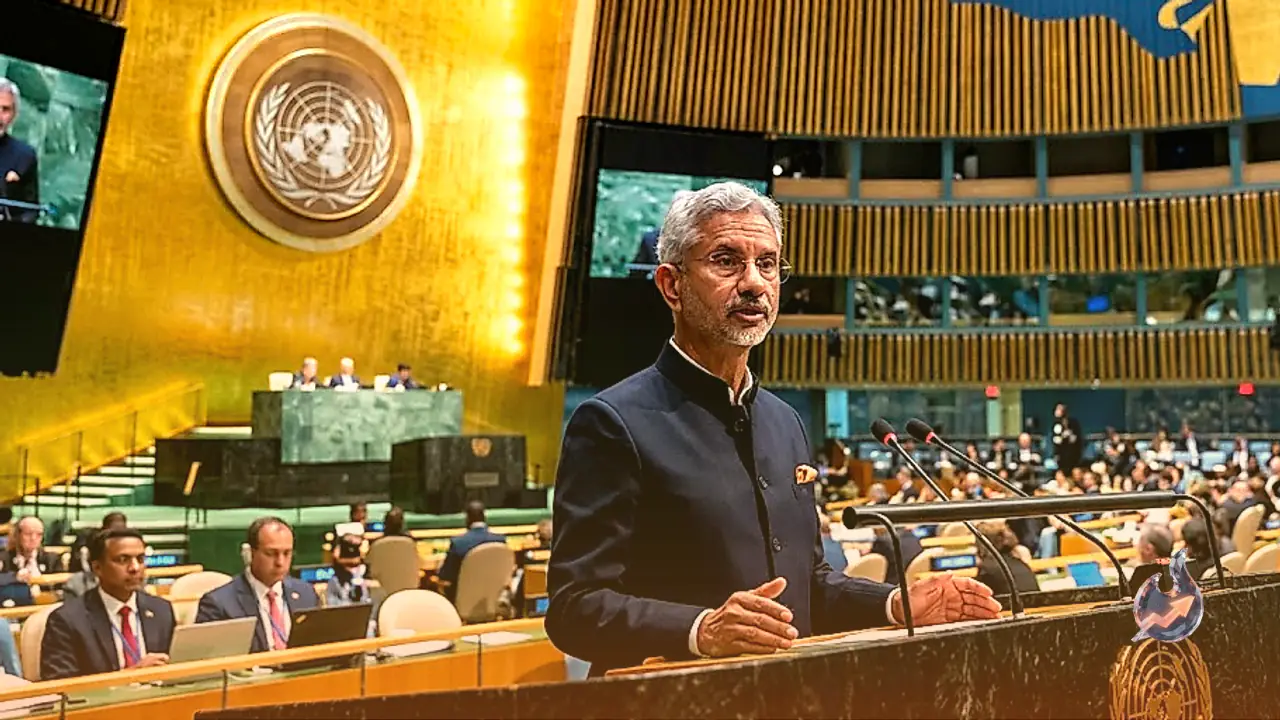


















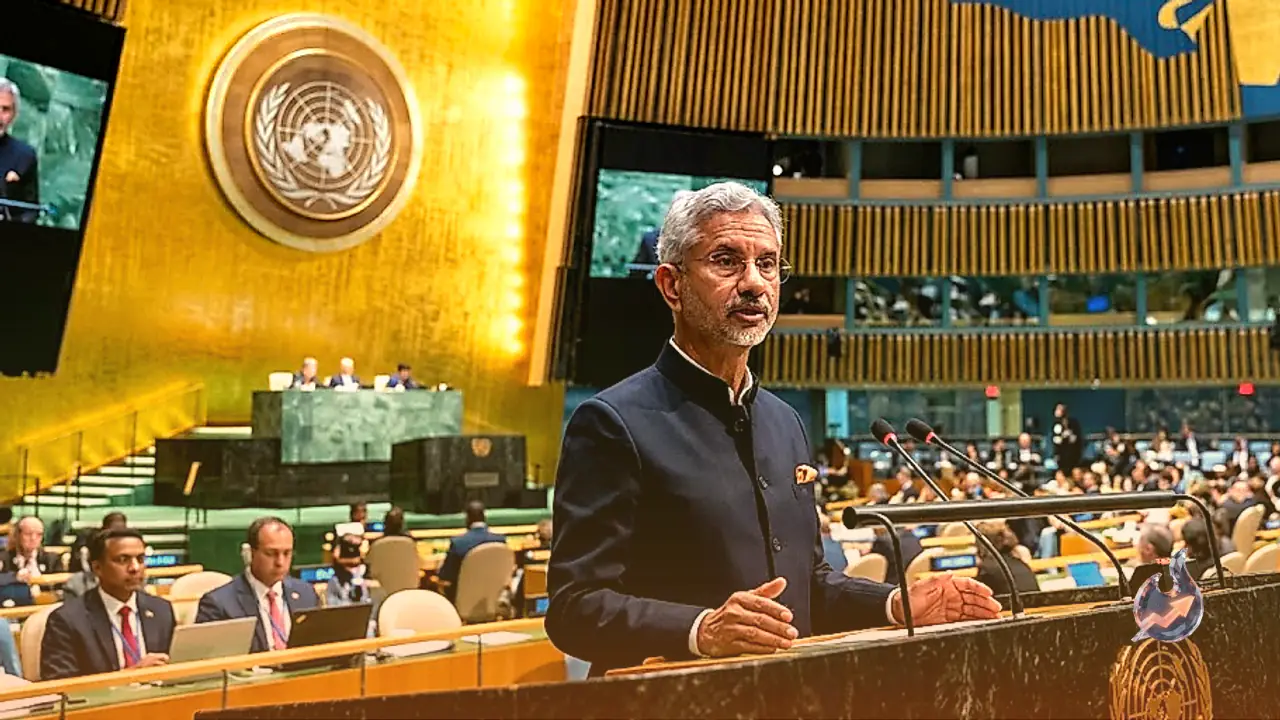

Amid escalating geopolitical rivalry and deep structural fractures across the international order, calls for rejuvenating global cooperation have taken center stage. Addressing the Partners for Multilateralism summit on the sidelines of the 81st session of the United Nations General Assembly in New York, External Affairs Minister S. Jaishankar asserted that contemporary crises cannot be managed through outdated diplomatic mechanisms. He underlined that resolving shared security, climate, and economic perils requires an urgent transition toward a more representative, transparent, and rules-based multilateral framework.
Shifting Power Equations and Rising Strategic Confrontations
Opening his assessment with the profound shifts underway across global governance, the minister noted that the gradual rebalancing of global influence seen in recent decades was historically inevitable. However, that anticipated transition has now been accelerated and complicated by intense strategic polarization, acute geopolitical tensions, and ongoing armed conflicts. Left unaddressed, these hostile dynamics risk eroding the fundamental spirit of international collaboration. To prevent a complete breakdown of cooperative norms, multilateralism must step up and assert its purpose decisively in the present era.
Jaishankar stressed that international partnership extends far beyond abstract diplomatic exchanges, bearing directly on global stability, human progress, and shared prosperity. He laid out a wide array of interconnected challenges whose outcomes hinge entirely on collective willingness to cooperate. These include peace and security, climate justice and mitigation, equitable development financing, anti-terrorism initiatives, disaster resilience, and preparation for future pandemics. The progress accumulated by humanity across past generations was forged through unified effort, making it imperative to preserve those gains while building stronger global structures.
Targeted Interventions for Food, Energy, and Fertilizer Crises
Reflecting on ongoing regional wars, the minister advocated a pragmatic, problem-solving approach to crisis management. While negotiations for comprehensive peace settlements often require extensive diplomatic endurance, immediate action can and must be decoupled to tackle pressing collateral damage. He specifically spotlighted critical shortages across four vulnerable sectors: fuel, food, fertilizer, and development finance. These essential lifelines cannot be left hostage to political stalemates, demanding targeted interventions where collective action can immediately alleviate humanitarian and economic strains worldwide.
Regulatory Guardrails for Technology and De-risking Supply Chains
Addressing technological evolution, Jaishankar warned that rapid breakthroughs carry uncharted risks alongside tremendous potential. The emergence of transformative tools necessitates clear international standards, legal parameters, and robust regulatory guardrails to prevent exploitation and unintended disruption. In parallel, he drew attention to structural fragilities exposed within global manufacturing networks. Concentrating critical production within single jurisdictions poses systemic hazards to the world economy. To mitigate vulnerability, nations must actively pursue diversification, de-risking trade corridors and establishing dependable alternative supply routes through coalitions of aligned partners.
Adherence to International Law and Reforming Institutions
The minister underscored that enduring multilateralism remains contingent upon universal compliance with established international laws, treaties, and norms. Championing cooperative values verbally is futile unless accompanied by genuine operational accountability. For this reason, comprehensive reform within international bodies, notably the United Nations, is an urgent necessity. Global governance platforms must expand decision-making authority to represent a wider spectrum of countries, conducting their deliberations with far greater transparency to regain credibility in an increasingly multipolar world.
High-Level Bilateral Engagements with Switzerland and Nauru
Alongside his summit participation in New York, Jaishankar conducted vital bilateral meetings with foreign counterparts. He conferred with Swiss Foreign Minister Ignazio Cassis, reviewing the burgeoning economic ties between India and Switzerland. Their discussions centered on operationalizing the trade and economic partnership agreement between India and the European Free Trade Association, alongside strengthening multilateral coordination on pressing global developments.
The minister also held high-level discussions with David Adeang, the President of Nauru. Jaishankar praised the deepening bilateral and multilateral cooperation between India and the Pacific island nation, reaffirming New Delhi's steadfast commitment to supporting Nauru's sustainable developmental journey across key socioeconomic sectors.