























Tea is far more than just a common beverage in India, serving as an essential ritual in daily life. Whether it is kicking off the morning or washing away the fatigue of a long day, a steaming cup of tea instantly rejuvenates people. However, not all teas are identical, and different varieties have distinct impacts on the human body. Each type of tea brings its own set of health benefits, but they also come with certain drawbacks that consumers should keep in mind.
Black Tea Benefits and Drawbacks
Black tea remains the most widely consumed variety across the country. It contains a healthy amount of caffeine, which helps provide an energy boost to the body and banish sluggishness. Furthermore, it is packed with antioxidants and is considered beneficial for cardiovascular health. Despite these advantages, drinking it in excess can trigger various issues. Consuming too much black tea can lead to sleep disturbances, elevate acidity and a burning sensation in the stomach, and excessive intake may even affect blood pressure levels.
Green Tea Advantages and Side Effects
Green tea has gained immense popularity among health-conscious individuals. It is considered helpful in weight management and assists the body in flushing out accumulated toxins. Regular consumption can strengthen the immune system while proving beneficial for skin and hair health. Even so, it has a few negative aspects. Drinking green tea on an empty stomach can cause nausea, excessive intake may trigger headaches or dizziness, and some individuals might experience worsened digestive discomfort.
Herbal Tea Qualities and Cautions
Herbal tea is prepared using a variety of herbs, flowers, and spices. It can help reduce stress, promote better sleep, assist in improving digestion, and provide relief during common colds. Nevertheless, caution is required. Certain individuals may develop allergies to specific herbal ingredients, and consuming large quantities can interfere with the effectiveness of regular medications.
Spiced Tea Flavor and Impact
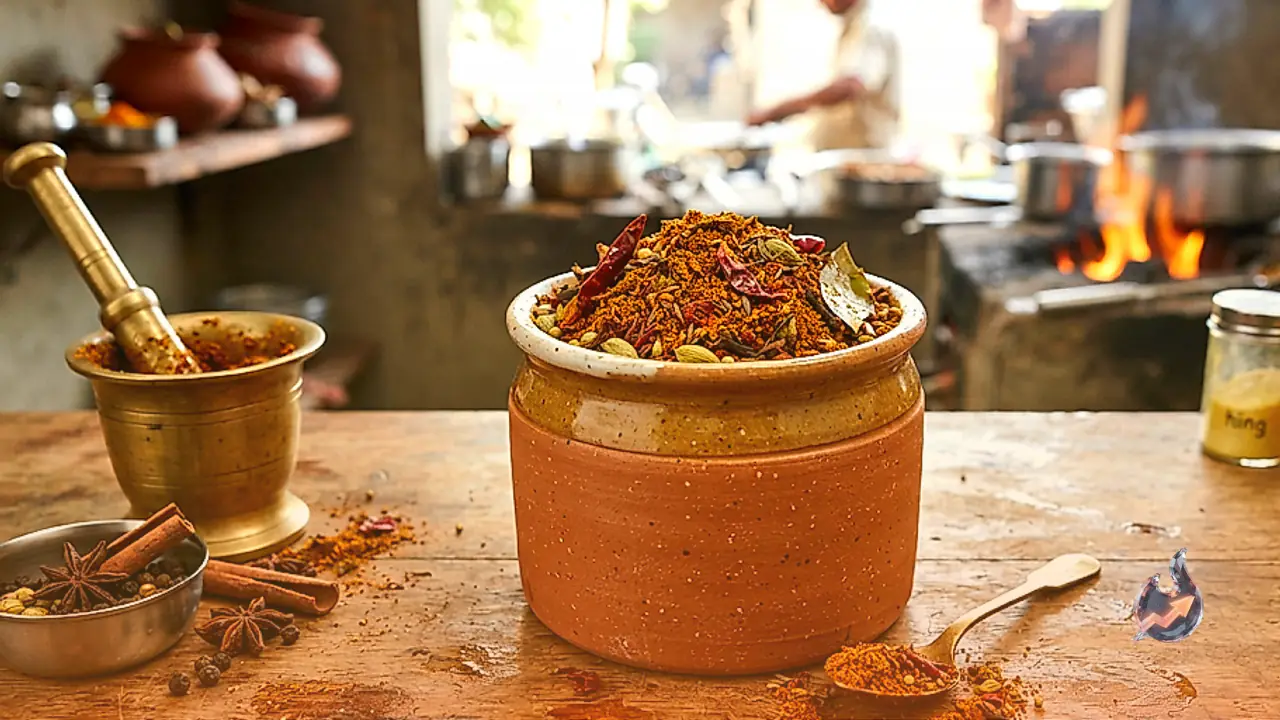
Traditional Indian spiced tea is brewed using aromatic spices such as ginger, cardamom cloves, and cinnamon. It offers quick relief from cough and colds, helps improve digestion, and provides warmth to the body. Along with great taste, it delivers numerous medicinal properties. However, the high amount of milk and sugar used in preparation can increase calorie counts, and overconsumption may lead to gas or acidity problems.
White Tea Benefits and Limitations
White tea undergoes minimal processing, which allows it to retain abundant levels of antioxidants. It can help slow down aging effects, is considered advantageous for heart health, and assists in maintaining healthy skin. On the downside, it tends to be more expensive than other tea varieties, and heavy consumption can still lead to caffeine-related side effects.