




















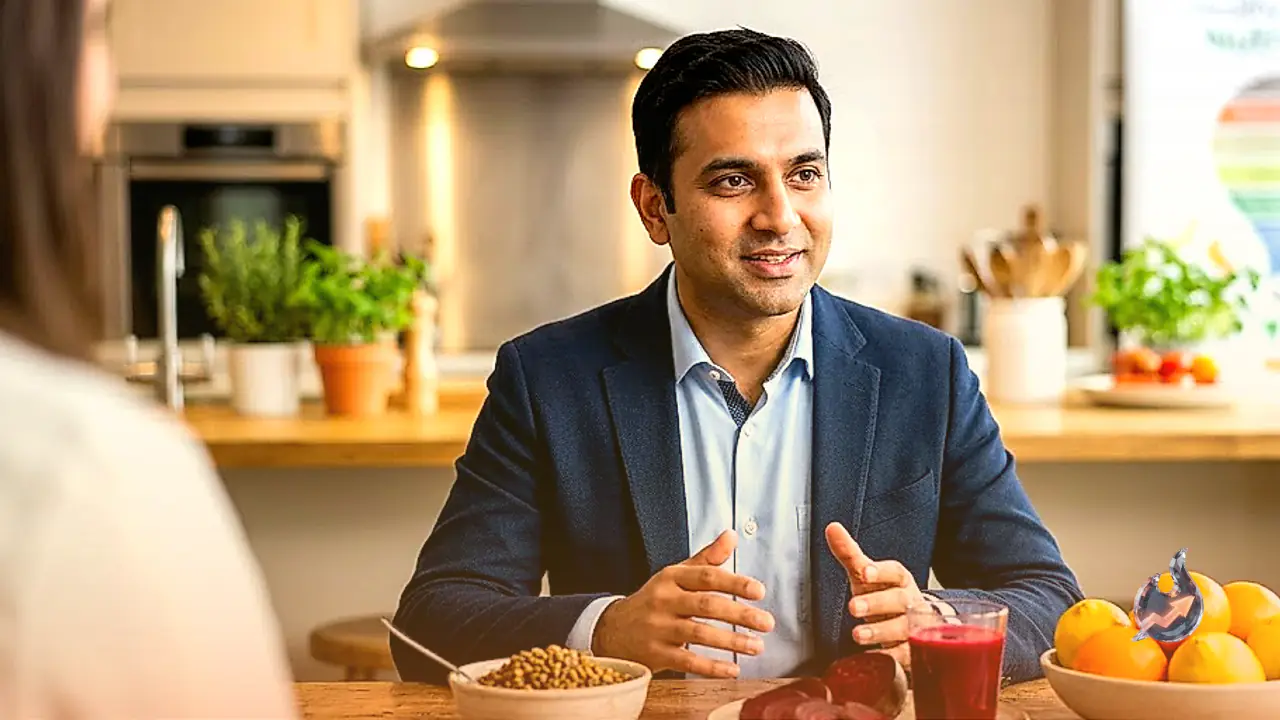

Oxygen transport throughout the human body depends fundamentally on hemoglobin, a vital protein situated inside red blood cells. While lungs draw in oxygen from the air during respiration, hemoglobin acts as the primary carrier responsible for distributing this oxygen to every internal organ and tissue. According to gastroenterologist Dr. Shubham Vatsya, a drop in hemoglobin levels impairs this internal supply network, leading to clinical symptoms such as persistent fatigue, physical weakness, shortness of breath, dizziness, pale skin, and anemia. To counteract low hemoglobin and restore healthy blood composition, incorporating targeted iron-dense and nutrient-rich foods into the daily diet is strongly recommended.
Legumes and Pulses as Essential Iron Sources
For individuals following a vegetarian diet, pulses and legumes serve as primary blood building foods. Incorporating items such as Bengal gram (chana dal), kidney beans (rajma), black-eyed peas (lobia), and various edible beans supplies the body with substantial quantities of iron alongside protein, essential minerals, dietary fiber, and folate. However, legumes naturally contain compounds known as phytates. Phytates can bind to minerals and hinder the absorption of iron in the digestive tract. To overcome this hurdle and ensure maximum nutrient bio-availability, pulses and beans should always be soaked thoroughly in water before cooking, which helps break down phytates and optimizes iron uptake.
Beetroot for Enhancing Red Blood Cells
Beetroot stands out as an exceptionally effective natural food for improving low hemoglobin counts. It contains high levels of folate, a crucial B-vitamin required for the production and maturation of red blood cells. In addition, beetroot is rich in dietary nitrates, which convert into nitric oxide within the vascular system. Nitric oxide helps relax blood vessels and improve overall circulation. Including beetroot regularly as part of fresh salads or cooked vegetable preparations provides sustained support for healthy blood formation.
The Crucial Role of Vitamin C in Iron Absorption
Consuming foods packed with iron is only half the equation; the body must also possess the capability to absorb that iron efficiently. Vitamin C plays a transformative role in this process by converting non-heme plant iron into a chemical form that the stomach and small intestine can easily absorb. Without adequate vitamin C, much of the dietary iron consumed may pass through the body unabsorbed. Vegetarians in particular should regularly include vitamin C-rich fruits and vegetables such as amla (Indian gooseberry), guava, oranges, lemons, tomatoes, and kiwi in their daily meals to maximize iron absorption.
Nutrient-Packed Seeds, Nuts, and Dried Fruits
Despite their small physical size, seeds, nuts, and dried fruits pack an extraordinary nutritional punch for anyone managing low hemoglobin levels. Incorporating pumpkin seeds, sesame seeds, sunflower seeds, almonds, walnuts, and dates into the daily routine delivers concentrated doses of dietary iron. Beyond iron, these foods are also rich sources of magnesium, calcium, copper, and powerful antioxidants, all of which support overall cellular health and blood vitality.


