























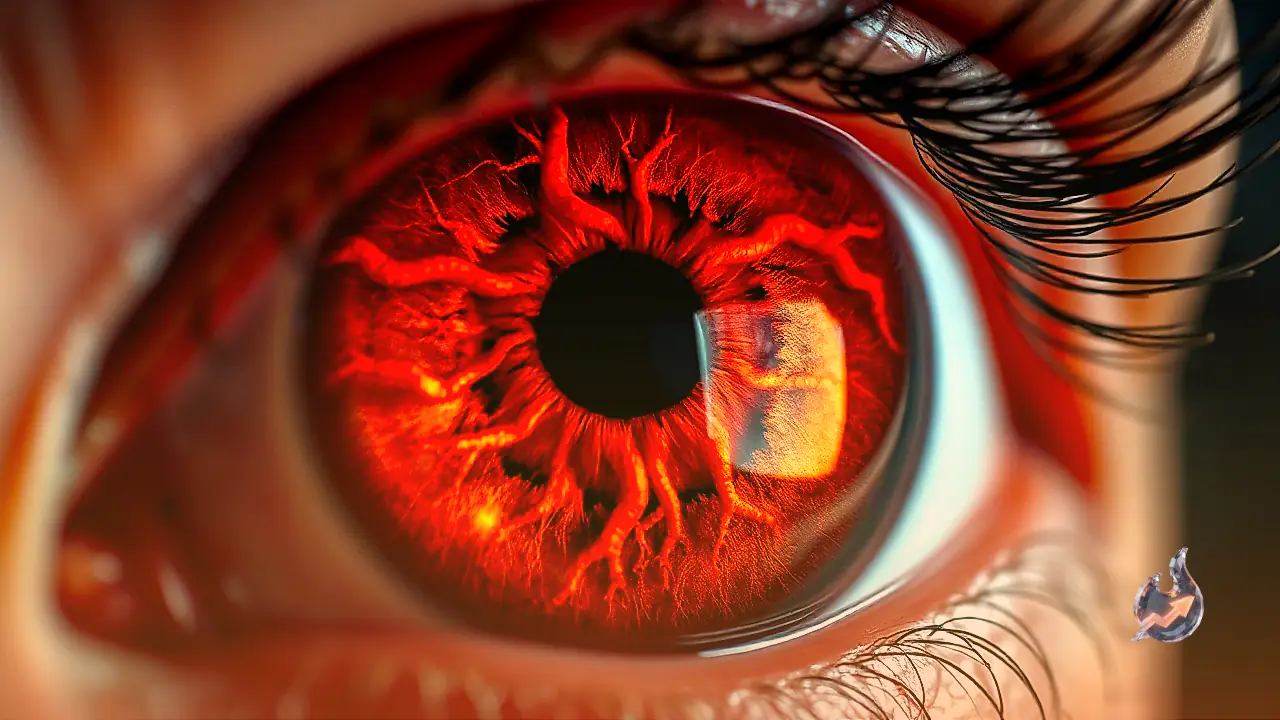

Most individuals schedule an eye examination only when their vision turns blurry or their corrective lens prescription requires an update. Yet human eyes do far more than process visual surroundings; they serve as an accessible indicator of internal physiological well-being. Positioned at the posterior part of the eye, the retina houses an intricate network of microscopic blood vessels. These tiny vessels can provide critical diagnostic clues regarding the performance of the circulatory system and overall cardiovascular wellness.
The Eyes as a Window into Vascular Health
Ophthalmologists observe that the ocular vascular bed essentially reflects the broader condition of blood vessels throughout the human body. Dr. Mazhar Nazim Khan, Senior Consultant at Sharp Sight Eye Hospitals, points out that observable alterations within retinal tissue frequently indicate sustained hypertension or underlying systemic vascular complications. While a routine eye exam cannot independently diagnose coronary disease, specific manifestations within the retina serve as vital indicators that should never be ignored.
Sudden Blurred Vision and Visual Distortions
When eyesight becomes abruptly blurred or objects appear visibly distorted, dismissing the symptom as mere refractive fatigue can be a mistake. Irregularities in retinal blood circulation frequently manifest as sudden drops in visual clarity. Because the vascular supply feeding the retina is exceptionally delicate, any microvascular instability or perfusion deficit rapidly impacts how sharp and steady your sight appears.
Surge in Floaters, Flashes, and Shadowy Curtains
The appearance of occasional floaters or minute drifting spots is a familiar occurrence as the eye ages. However, a rapid surge in the quantity of floaters, the emergence of sudden bright flashes of light, or the perception of a dark curtain-like veil descending across the visual field demands immediate professional assessment. Such abrupt optical shifts point toward acute retinal changes that require urgent examination by an ophthalmologist.
Retinal Microbleeds and Vessel Narrowing
During an in-depth fundus evaluation, specialists occasionally discover tiny microbleeds or micro-hemorrhages across retinal layers. This finding frequently stems from chronic diabetes or prolonged elevated blood pressure. Although microbleeds are not direct standalone proof of coronary artery disease, they unmistakably indicate the necessity for thorough secondary health screenings. Persistent high blood pressure also causes retinal arterioles to gradually constrict and narrow. An individual cannot perceive this gradual tightening on their own, making clinical retinal imaging the sole means of detecting the condition early.
Sudden Monocular Vision Loss Demands Emergency Care
Should vision suddenly deteriorate drastically or vanish altogether in a single eye, it constitutes a critical medical emergency. Immediate medical intervention is vital, as this sudden deficit often signals an acute occlusion or major obstruction within arterial blood flow. Swift evaluation is essential to identify the underlying vascular disruption and prevent permanent visual impairment or systemic consequences.
Connecting Retinal Warnings to Cardiovascular Care
It remains important to emphasize that not every visual disturbance stems directly from heart pathology. Everyday issues like visual blur, refractive errors, or benign floaters can originate from routine ophthalmic conditions. Nevertheless, the retinal microvasculature offers invaluable insight into overall arterial condition. Whenever a clinical eye exam reveals vascular irregularities, scheduling follow-up blood pressure checks, fasting blood sugar evaluations, and comprehensive cholesterol screenings is a prudent and essential step.