






















Across rural India, the knowledge of healing plants has been passed down from one generation to the next for centuries, and that tradition is far from over. In villages, where herbal remedies are still a part of everyday life, one plant continues to earn respect in traditional medicine circles: Jarakush. Used for everything from the common cold to digestive discomfort to skin irritation, this plant has built a reputation as a natural remedy that ordinary people can access and use. As interest in Ayurvedic and natural alternatives grows once again, Jarakush is drawing fresh attention.
Gonda Vaidya Explains What Makes Jarakush Special
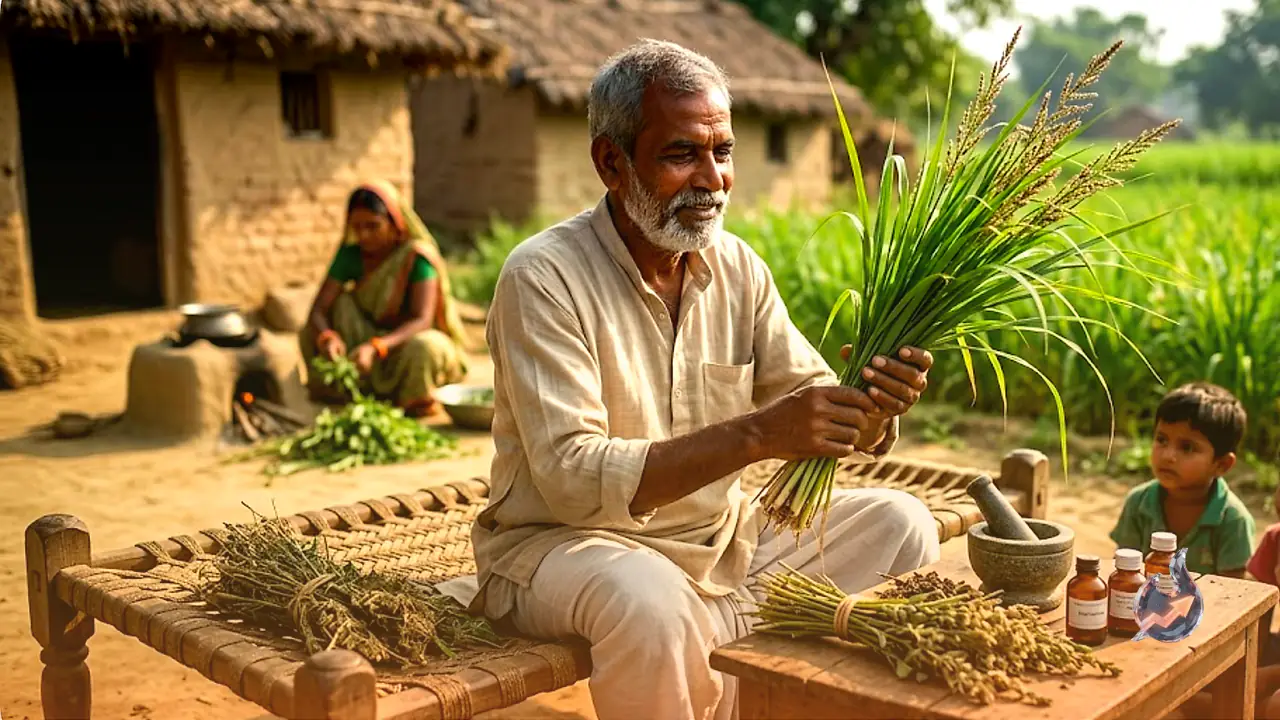
Jamuna Prasad Yadav, a traditional vaidya from Gonda, spoke with TrendKia about the medicinal value of this plant. He explained that the leaves and various other parts of Jarakush are considered to be rich in healing properties within the tradition of folk medicine. Yadav was also careful to note that in today's world, anyone dealing with a health problem should seek a qualified doctor's advice. Even so, he made clear that Jarakush holds a distinct and respected place within the system of traditional healing that has served rural communities for a very long time.
Cold and Cough: Where Jarakush Is Used Most
Jamuna Prasad Yadav says the most widespread use of Jarakush is for cold and cough. When seasons change, a large number of people find themselves suffering from sore throats, nasal congestion and related discomfort. In rural areas, it is common practice to use the leaves of this plant as a home remedy during such episodes. The plant's properties are believed to help soothe the throat and reduce the symptoms associated with common cold.
A Plant Associated with Stronger Immunity
Jarakush is also placed among the plants that Ayurveda links to stronger immune function. The vaidya explains that when used regularly and in the right quantities, this plant may help the body build internal strength and improve its capacity to resist illness. This fits within a long tradition of Ayurvedic medicine that draws on plant-based ingredients to fortify overall health and well-being.
Relief from Digestive Complaints Through Traditional Use
In rural communities, Jarakush also finds a role in managing digestive problems. According to Ayurvedic understanding, the plant can support healthy digestion. Conditions such as bloating, indigestion and the body's inability to properly digest food have traditionally been addressed with Jarakush. The vaidya emphasizes, however, that the correct dosage and method of preparation should always be worked out with the help of a knowledgeable practitioner, rather than simply guessing.
Leaf Paste Applied Directly to the Skin
The uses of Jarakush extend beyond internal health. In many places, a paste prepared from the plant's leaves is applied directly to the skin to address surface-level complaints. Jamuna Prasad Yadav says this application is believed to bring relief to the affected area. That said, for any serious or persistent skin condition, consulting a doctor remains essential.
Widely Available, But Correct Identification Is Critical
Yadav is quick to point out that Jarakush is not a difficult plant to find. It grows on its own across many regions and does not demand any special care or cultivation. This is precisely why rural communities have long been familiar with it and reach for it when the need arises. However, he stresses one crucial caution: the plant must be correctly identified before it is used. People sometimes mistake other plants for Jarakush, which can cause problems, making accurate recognition an important first step.
A Broader Return to Nature-Based Healing
Today, as more people seek out natural and Ayurvedic options alongside conventional medicines, plants like Jarakush are gaining fresh relevance. The fact that village elders continue to share their knowledge of this plant with younger generations shows how deeply rooted this tradition remains. This wider trend reflects a society that is actively revisiting the wisdom encoded in centuries of plant-based healing.