























Experiencing severe knee discomfort during peak professional years has emerged as a major health challenge for young adults. Joint stiffness and knee troubles were once regarded primarily as afflictions of advancing age, but orthopedic clinics are now witnessing a steady influx of younger individuals seeking treatment. Joint complications are frequently surfacing around the age of 30 in women and after 40 in men. Medical specialists point to rapid lifestyle transitions, declining physical activity, and compromised nutritional habits as the core drivers behind this trend.
The Dual Burden of Fatigue and Joint Discomfort
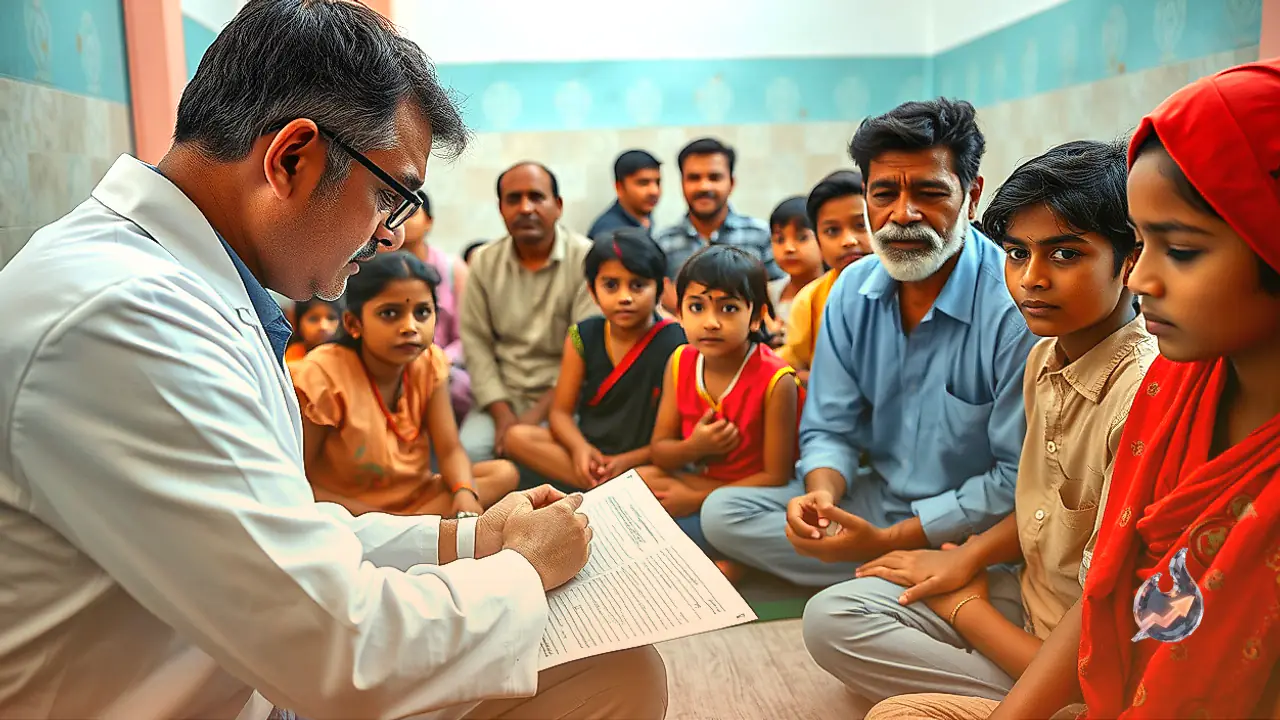
The volume of patients visiting outpatient departments with knee complaints has witnessed a marked increase. Dr. Akshay Seth, an orthopedic specialist based in Ambala, notes that individuals seeking care do not merely present with isolated knee aches; many describe generalized body pain and persistent exhaustion. Patients frequently observe that even without performing strenuous physical labor throughout the day, their bodies feel thoroughly depleted by evening. Daily routines have altered drastically over recent years. Earlier generations incorporated regular walking and movement into their daily chores. Currently, professional responsibilities and domestic routines are largely performed from sedentary positions, substantially cutting down on outdoor movement and natural physical exertion.
Muscle Conditioning and the Role of Sunlight
Maintaining strong muscular support is essential for safeguarding joint integrity. According to Dr. Akshay Seth, when surrounding muscles remain well-conditioned, they offer superior structural support to the joints. A common misconception leads many people to abandon walking altogether out of fear that excessive movement will accelerate knee wear and tear. Ceasing physical activity under this mistaken belief is counterproductive. Prolonged inactivity, paired with minimal exposure to natural sunlight, frequently leads to a severe deficit in vitamin D. Such nutritional shortages directly undermine bone density. Because the root cause of joint discomfort varies across individuals, obtaining an accurate clinical diagnosis is crucial.
Structuring Daily Physical Activity Safely
Engaging in moderate, consistent movement offers substantial benefits to skeletal wellbeing. Dr. Akshay Seth recommends weaving walking, cycling, and personalized exercise into regular schedules according to individual endurance. The exact duration and intensity of exercise must always be tailored to an individual's age group, baseline physical fitness, and any existing medical conditions. Adopting a sensible, measured exercise regimen prevents unnecessary joint stress while keeping supportive tissues flexible and resilient.
Nutritional Strategies for Skeletal Health
Dietary choices play an indispensable role in maintaining robust bones and joints. Modern lifestyles often lead individuals to eat inadequately or rely heavily on processed outside food, depriving the body of essential micronutrients. Meeting daily calcium requirements involves incorporating dairy staples such as milk, curd, and paneer, alongside plant-based options like soybeans and green leafy vegetables including spinach, bathua, and seasonal greens. Those who consume non-vegetarian diets can also integrate eggs and fish into their meals to support bone health through balanced nutrition.
Addressing Misconceptions Around Calcium and Kidney Stones
Questions regarding calcium supplementation frequently arise during clinical consultations. Dr. Akshay Seth explains that numerous patients express apprehension that taking prescribed calcium tablets will inevitably lead to kidney stones. The specialist clarifies that when a genuine calcium deficiency is identified and a physician prescribes a supplement, discontinuing it purely out of an unsubstantiated fear of stones is ill-advised. Conversely, self-prescribing calcium tablets without medical oversight is equally discouraged.
Bone preservation requires heightened vigilance in women following the cessation of menstrual cycles. The risk of bone deterioration escalates with advancing years, and specialized supplementation guided by a healthcare professional helps protect skeletal density during this phase.
Avoiding Self-Medication and Seeking Timely Care
Relying on internet searches to self-diagnose or initiate medications carries substantial health risks. Dr. Akshay Seth cautions that individual requirements for calcium and vitamin D differ widely, making professional guidance essential prior to taking any health supplements. Long-term joint preservation fundamentally rests on staying active, nourishing the body with a wholesome diet, and strengthening the musculature that stabilizes the skeleton. Anyone encountering ongoing knee aches, swelling, or gait difficulties should avoid postponing medical care and consult an orthopedic specialist without delay.