






















Sedentary daily routines and improper dietary habits are causing an increasing number of young individuals to experience knee pain and persistent joint stiffness. Instead of relying solely on expensive procedures, traditional regional cooking and Ayurvedic knowledge offer time-tested remedies that build internal physical resilience. Prepared widely across the southern states of Andhra Pradesh and Telangana, Hadjor chutney is a classic culinary preparation known for its impressive health benefits. Ayurvedic texts refer to this plant as Asthisamharaka, a term indicating its capability to heal, bond, and fortify bones. It serves as a dense natural source of calcium along with essential dietary fiber.
Bone Strength And Joint Wellness Benefits
Traditional wisdom passed down through generations suggests that incorporating balanced amounts of this preparation into one's daily meals alleviates joint swelling, chronic stiffness, and progressive bone weakness. Folk wellness systems hold that it provides substantial physical stamina, helping individuals perform strenuous manual tasks with greater ease. However, anyone preparing this plant in the kitchen must observe an important preliminary step to avoid physical discomfort.
Safe Cleaning And Preparation Techniques
The natural juice present in raw Hadjor stems can cause a prickly itching sensation upon contact with bare skin. To counter this effect, one should thoroughly coat both hands with mustard or sesame oil before peeling or slicing the plant. Much like stringing drumsticks, the fibrous edges along the four corners of the stem are carefully peeled away. The cleaned tender stems and young leaves are then chopped into fine pieces for cooking.
Step-By-Step Traditional Cooking Process
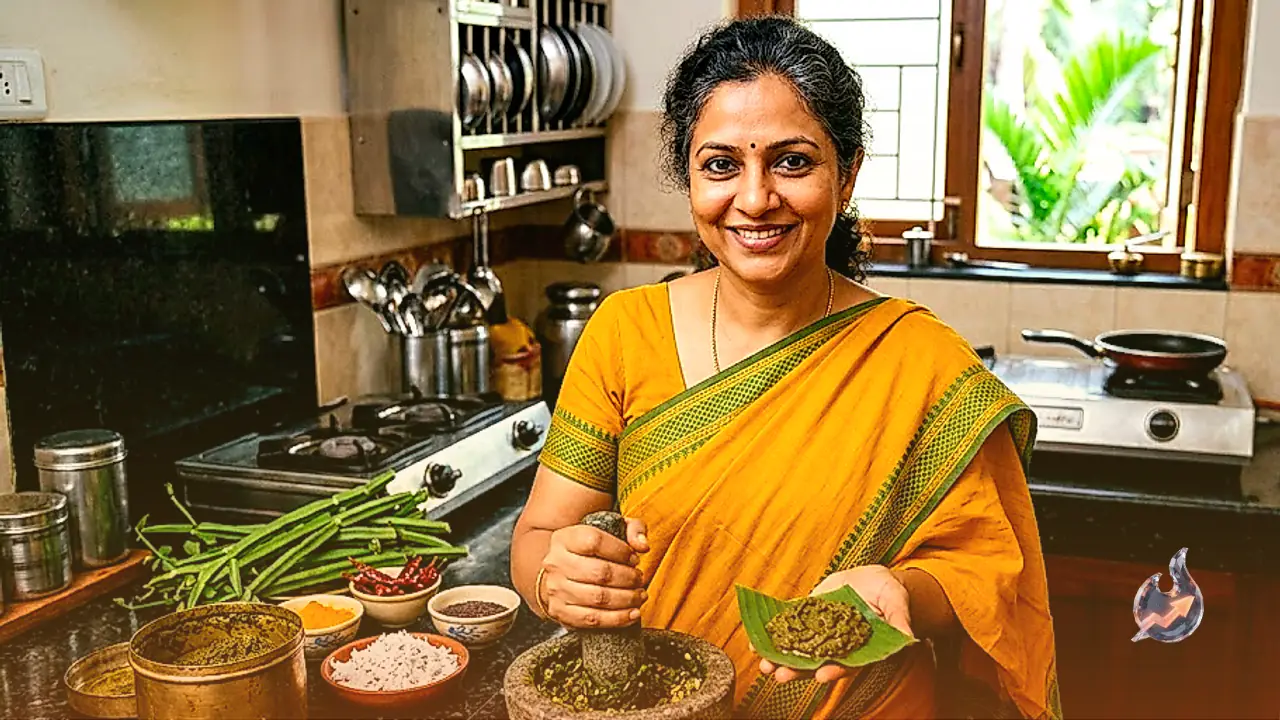
Preparation begins by dry roasting white sesame seeds in a pan until fragrant, after which they are set aside. Next, whole coriander seeds and dry red chilies are gently fried in a small amount of cooking oil. The chopped Hadjor pieces and fresh curry leaves are introduced to the warm oil and sautéed until their natural color turns slightly lighter.
To preserve authentic flavors and vital micronutrients, the ingredients are traditionally processed on a stone grinding slab. The roasted sesame seeds, fried red chilies, salt, and turmeric powder are ground first into a uniform consistency. Next, the sautéed Hadjor pieces, raw cumin seeds, garlic cloves, and softened soaked tamarind are added together and processed into a smooth chutney. The tangy profile of tamarind effectively balances the natural astringency of the herb. Served alongside piping hot steamed rice and a spoonful of pure desi ghee, this recipe offers an economical, entirely plant-based method to support skeletal strength.