























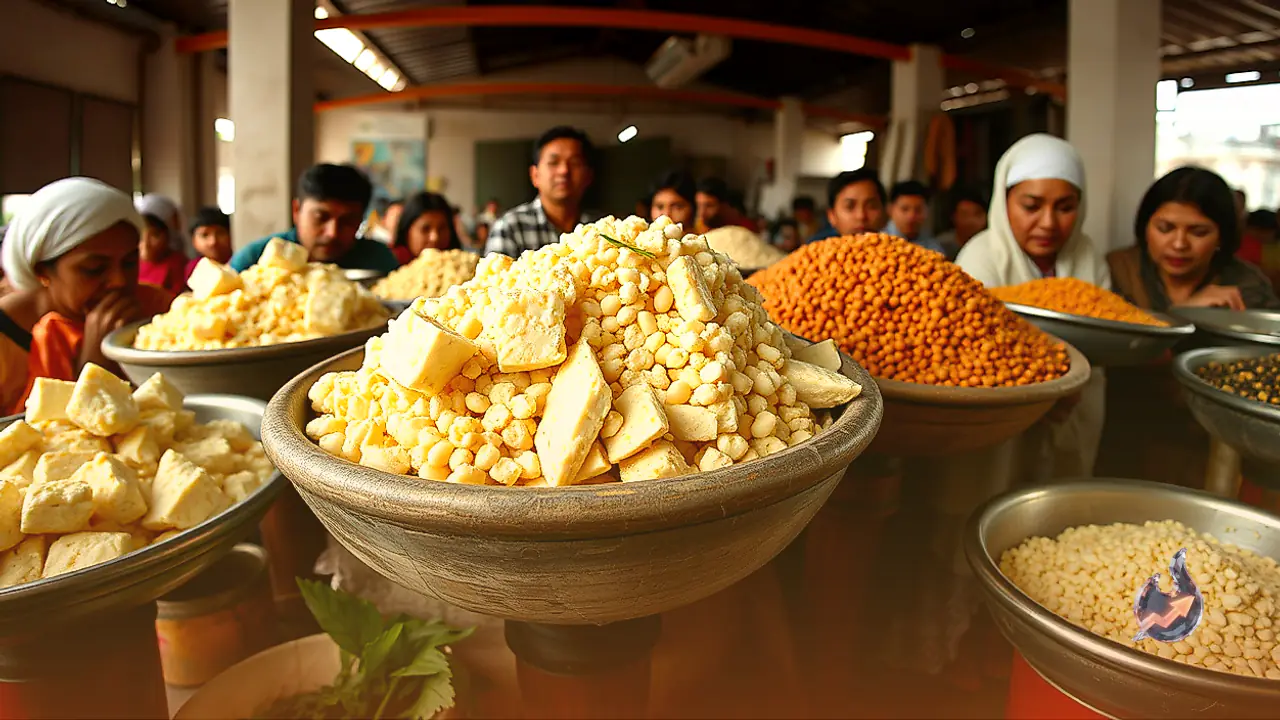

When seeking reliable protein sources in a vegetarian diet, paneer and soya consistently rank as the top choices for fitness enthusiasts. From shedding excess body weight to repairing and strengthening muscles, both items are widely recognized as indispensable components of a nutritious lifestyle. However, they differ significantly in their nutrient distribution, digestive behavior, and broader physiological impact. Understanding the distinctive nutritional profiles of a single bowl of paneer versus a single bowl of soya can help individuals align their food choices with specific health objectives.
Nutritional Profile and Health Benefits of Milk-Based Paneer
Paneer is manufactured directly from milk, establishing it as an outstanding source of premium-grade, complete animal protein. Beyond its concentrated protein content, paneer delivers critical micronutrients, including calcium, phosphorus, and vitamin B12.
- Skeletal and Dental Strength: High levels of bioavailable calcium and phosphorus actively support and maintain strong bones and healthy teeth.
- Muscle Hypertrophy and Recovery: It plays an essential role in tissue repair, structural recovery, and building lean muscle mass following workouts.
- Prolonged Satiety: Consuming paneer helps individuals stay full for extended periods, reducing the frequency of hunger pangs and mid-day cravings.
- Sustained Vitality and Strength: The food provides enduring physical strength and stamina to power the body through daily demands.
- Ideal for Exercise Routines: Individuals engaging in consistent physical training and resistance exercises find paneer to be a dependable post-workout staple.
Key Advantages and Nutrients of Plant-Based Soya
In contrast, soya represents a versatile, plant-derived nutritional powerhouse dense with protein. Alongside its primary protein matrix, soya provides dietary fiber, essential iron, and vital amino acids necessary for maintaining optimal cellular health.
- Cardiovascular Wellness: Regular incorporation of soya into meals is widely recognized for promoting and sustaining long-term heart health.
- Effective Weight Management: Soya provides exceptional support for individuals striving to regulate their weight and prevent body fat accumulation.
- Improved Digestive Regularity: The substantial presence of dietary fiber enhances overall gastrointestinal motility and gut function.
- Premier Plant Protein: It remains one of the finest, most concentrated sources of natural dietary protein for strict vegetarians.
- High Protein with Minimal Calories: Soya chunks or soya nuggets supply significant protein density while keeping overall caloric intake low, making them a preferred staple for fat loss journeys.
Comparing Macronutrients, Micronutrients, and Digestibility
A closer look at both items reveals key nutritional divergences: paneer pairs its protein content with a relatively higher amount of dietary fat. Conversely, soya features notably lower fat levels alongside a dense concentration of gut-friendly fiber. Furthermore, while paneer stands out as an exceptional provider of calcium, soya is celebrated for delivering essential iron alongside its plant protein structure.
Digestion patterns also vary between the two. Paneer typically digests smoothly for the general population, although individuals sensitive to dairy products may encounter discomfort. On the other hand, consuming soya, especially in excessive portion sizes, can trigger gastrointestinal bloating, flatulence, and stomach distress in sensitive individuals.
Choosing the Right Option Based on Your Fitness Goals
If your daily fitness routine targets muscle repair, progressive strength development, and enhanced calcium replenishment, paneer serves as an ideal dietary staple. Conversely, if your current focus centers on weight reduction, boosting daily fiber intake, and maximizing plant protein without excess fat, soya emerges as the more advantageous selection.
Ultimately, nutritional experts advocate consuming both nutrient-dense foods in moderate, well-balanced quantities. Overindulging in paneer can inadvertently escalate daily calorie and saturated fat consumption, whereas consuming disproportionate quantities of soya can trigger unwanted digestive complications.