





















In rural households across Lakhimpur Kheri, goat farming has emerged as a practical means to generate consistent household revenue with minimal initial investment and space. Women frequently manage these animals alongside everyday domestic chores, taking advantage of steady market demand for both meat and milk. However, keepers frequently run into a frustrating hurdle: despite consuming plenty of feed, animals often fail to register expected gains on the weighing scale. Because underdeveloped livestock fetches significantly lower market rates, keepers suffer a direct drop in income unless they move past basic grazing habits to adopt structured nutrition and management practices.
Why Open Grazing Leaves Animals Underfed
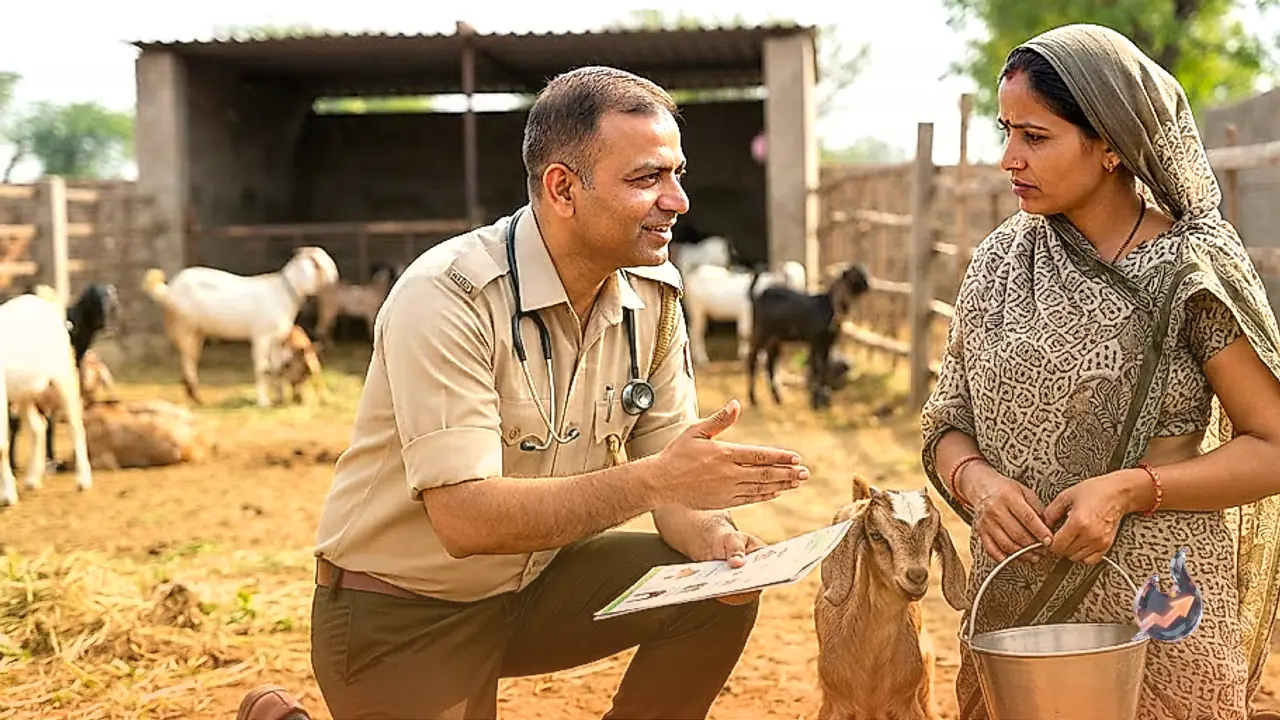
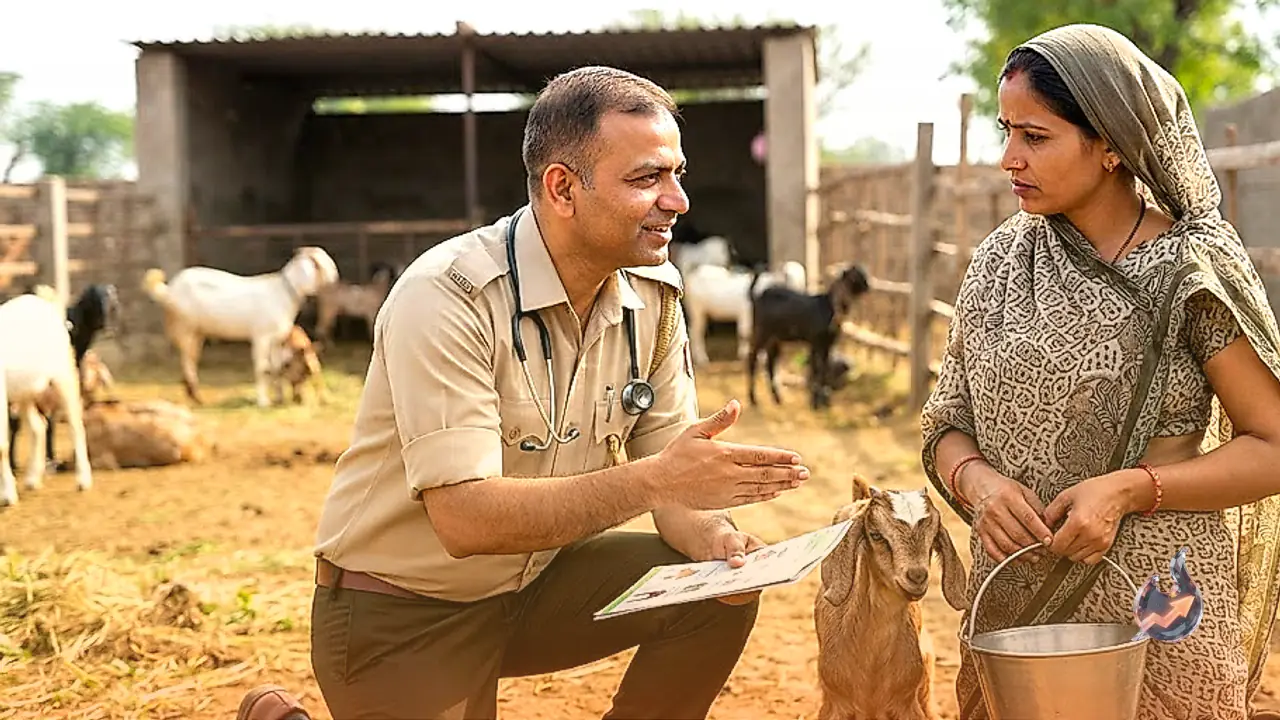
A widespread custom in village belts is allowing goats to roam freely across uncultivated fields or feeding them solely on readily available green leaves. Government Veterinary Officer Dr. Hemant Singh explains that relying exclusively on pasture might fill an animal's stomach, but it rarely delivers the complete spectrum of nutrition required for healthy growth. Sustained physical development demands a structured combination of fresh green fodder, dry roughage, and balanced concentrate feed. Without these complementary feed elements, the livestock remains deprived of essential protein and energy, preventing optimal muscle building and overall body mass expansion.
Tailoring Feed to Age and Physiological State
Nutritional demands vary markedly depending on each animal's phase of life, meaning a uniform feeding plan is ineffective across the herd. Growing kids, lactating females, and pregnant does possess distinctly higher nutritional requirements compared to standard adult stock. During pregnancy, maternal bodies must supply building blocks for growing foetuses, while nursing mothers deplete considerable body resources during daily milk production. Neglecting these elevated requirements not only suppresses future milk yield but causes rapid maternal weight loss that hurts the animal's long-term commercial value.
Parasites Stealing Essential Nutrients
Even when a keeper provides adequate feed, internal parasites nesting inside the digestive tract can quietly sabotage animal health. These worms consume essential vitamins and nutrients directly from ingested feed before the animal's digestive system can absorb them, leaving the goat emaciated despite an outwardly good appetite. Dr. Hemant Singh advises deworming goats approximately every three months under professional medical supervision. Administering anthelmintic medications at disciplined intervals controls internal parasite colonies, guaranteeing that feed inputs directly support muscular development and weight gain.
Clean Hydration, Timely Inoculations, and Disease Separation
Keepers regularly prioritize dry and green feed while forgetting that clean water is just as critical for livestock well-being. Restricted hydration degrades digestive efficiency, dampens appetite, and pulls down physical performance. Herd owners must maintain constant access to uncontaminated drinking water, adhere strictly to vaccination calendars, and consult local veterinary dispensaries regarding mineral mixtures. Young kids require delicate management during their earliest weeks, and sick individuals must be quarantined immediately to halt infection transmission. Self-prescribing random supplements without clinical consultation must be strictly avoided.