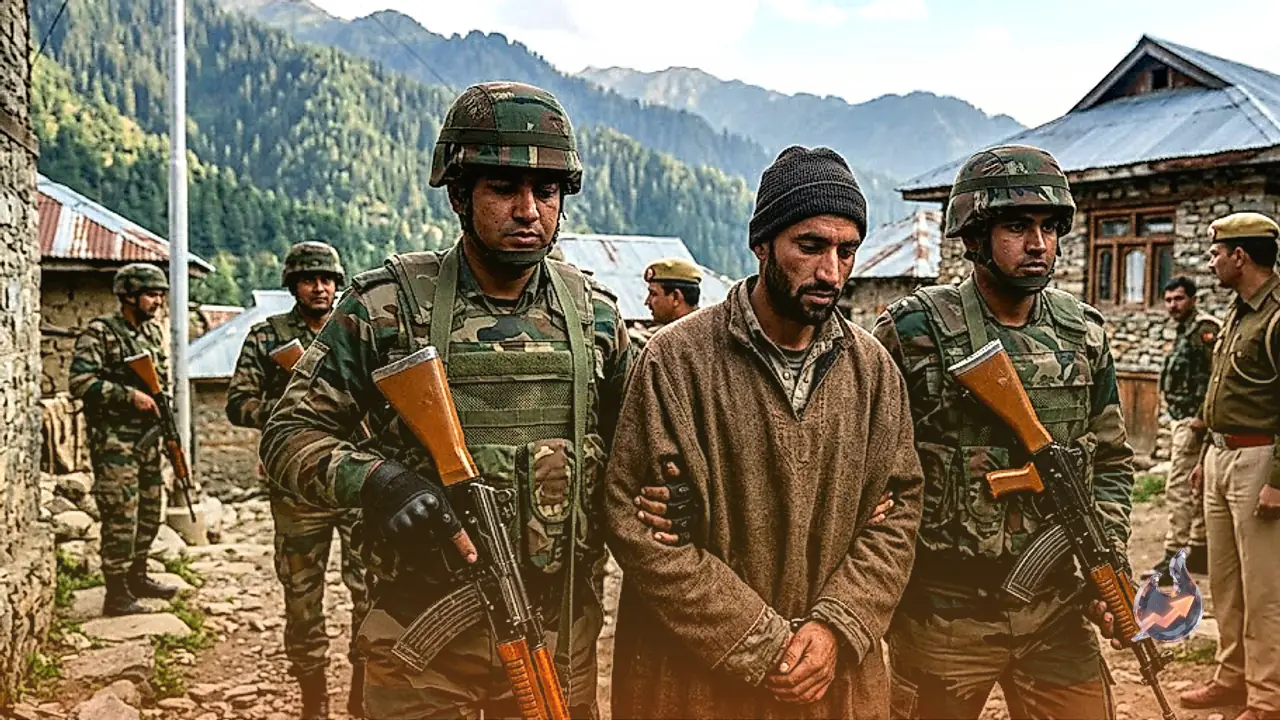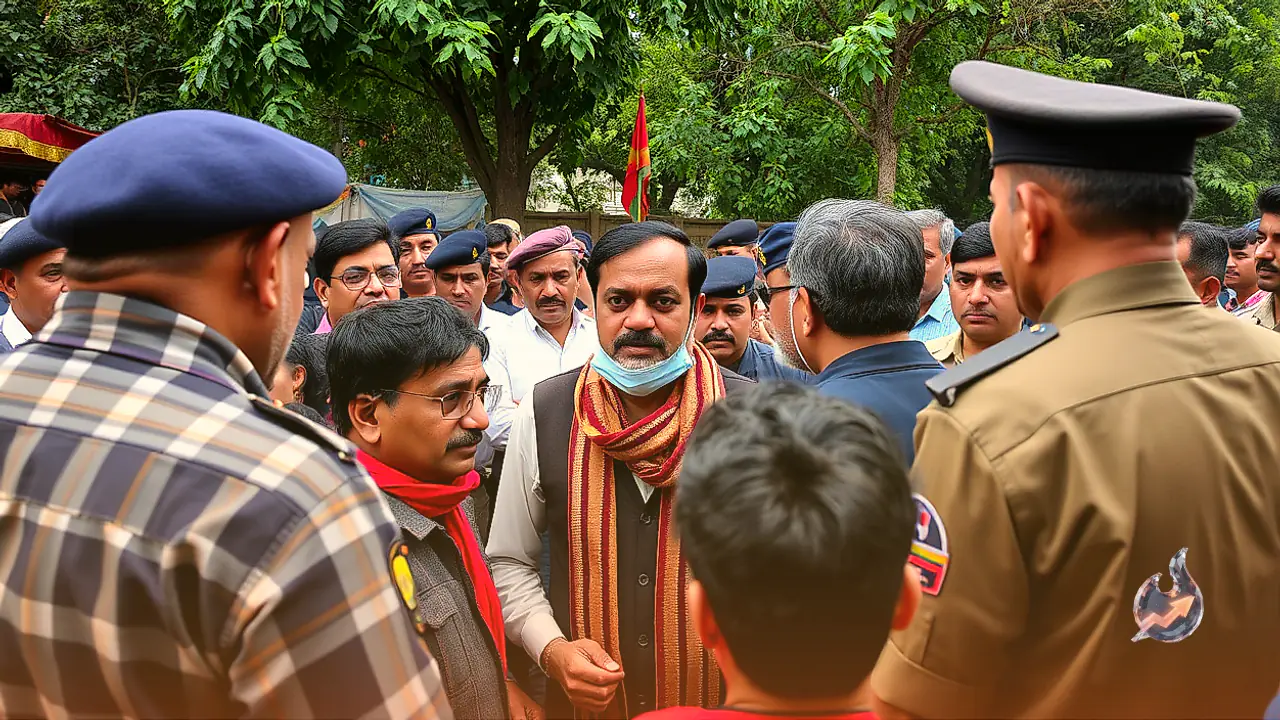

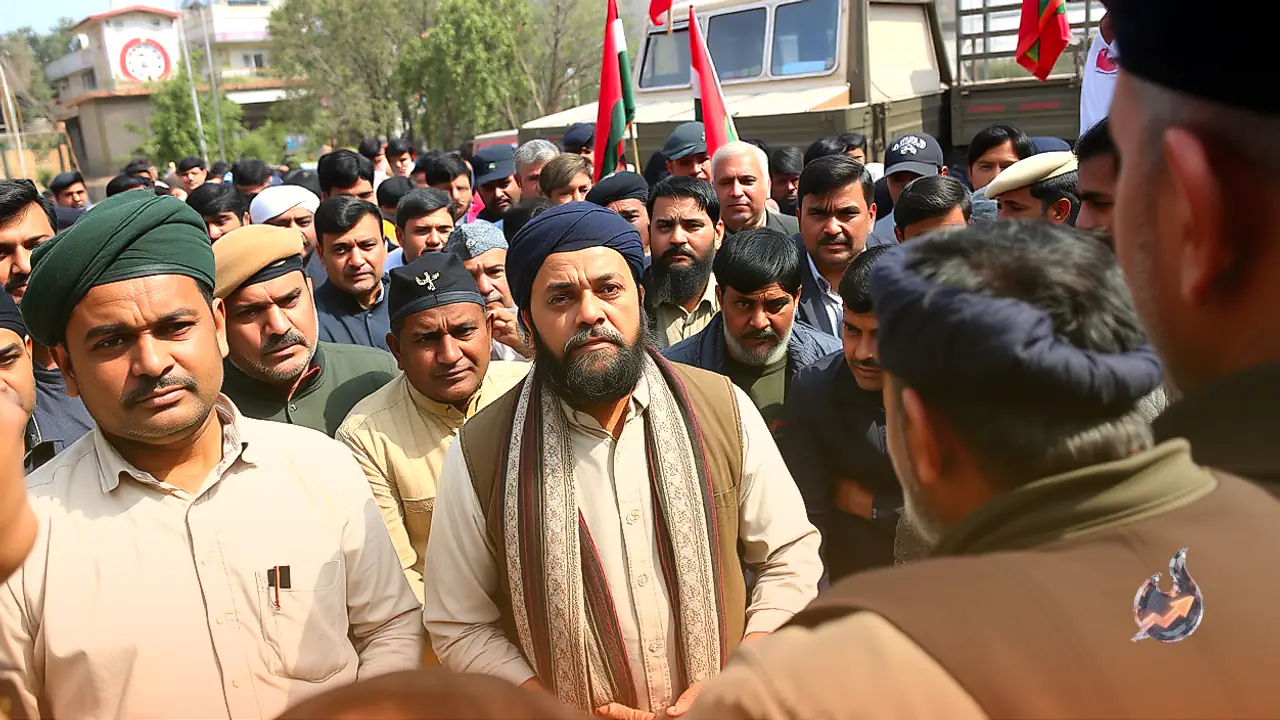


















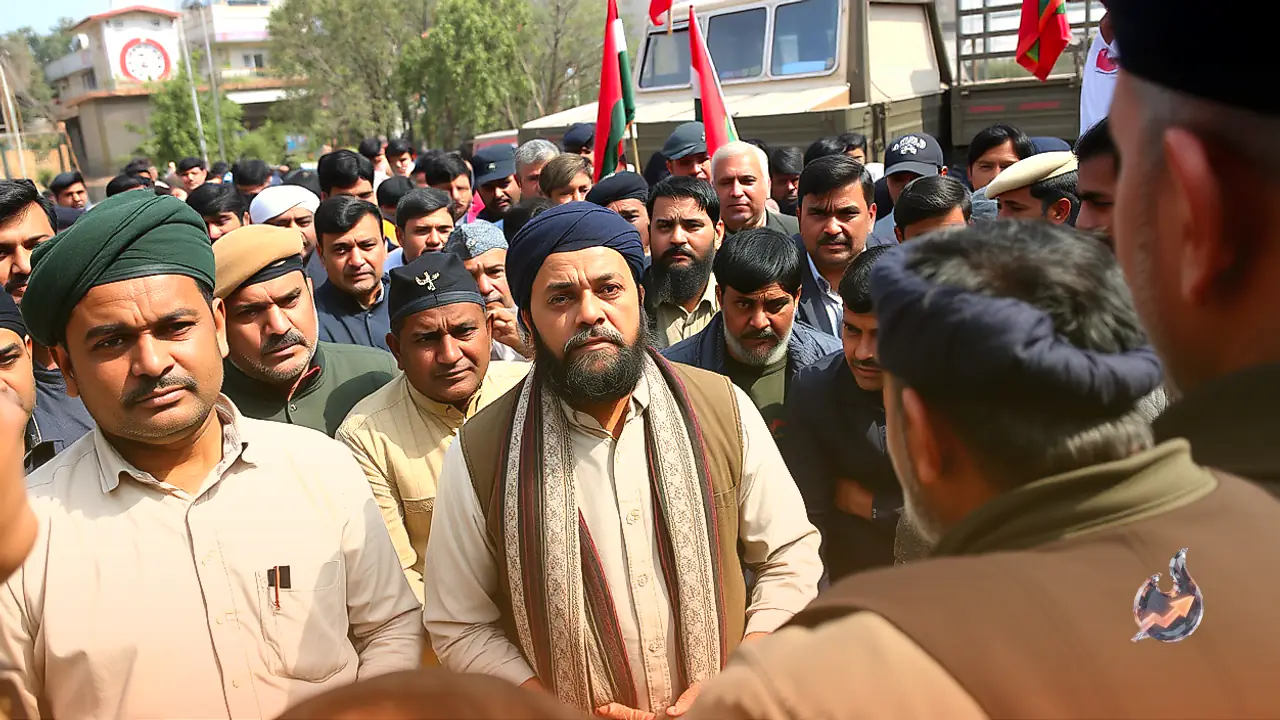

Police authorities in the Kishtwar district of Jammu have taken Peoples Democratic Party leader Abdul Kabir into custody for formal questioning following an intense political row. The administrative intervention came after Kabir addressed the slain Hizbul Mujahideen commander Burhan Wani as a martyr during a recent party convention. The contentious remark triggered immediate official scrutiny across local administrative and political establishments, prompting personnel at the Kishtwar police station to detain him for an extensive inquiry.
Police Questioning and the Background of the Incident
Following the emergence of his contentious remarks, Kabir was intercepted and brought to the local police station in Kishtwar. When confronted by reporters during a party gathering on Thursday, he attempted to clarify his stance regarding his speech. Addressing media inquiries, he remarked, "I did not specifically talk about the treatment meted out to Burhan Wani."
Government security records place Wani as a prominent figure within militant circles in the Kashmir Valley until security personnel neutralized him in an armed encounter in the Kokernag area of Anantnag district in South Kashmir on July 8, 2016.
Defense of Speech and Personal Convictions
During the interaction, media personnel pressed Kabir on whether it was justifiable to bestow the title of martyr upon an individual designated as a terrorist. In his reply, the PDP politician argued that linguistic expressions used to discuss any individual remain an entirely distinct consideration. He maintained that residing within a democratic nation guarantees personal liberties of thought and expression. When journalists specifically questioned him on whether describing Wani in such terms represented his own individual belief, Kabir confirmed in the affirmative, explicitly stating that it was indeed his personal opinion.
Reflections on the Previous PDP and BJP Coalition
Broadening his speech beyond the militant commander, Kabir revisited the political arrangement of 2014, when the PDP entered a governance alliance with the BJP in Jammu and Kashmir. He maintained that during their joint tenure in power, his party exercised stringent control over its coalition counterpart. According to his account, former Chief Minister Mehbooba Mufti maintained strict authority, refusing to permit the saffron party any operational leeway within the administrative apparatus. He further highlighted the controversy surrounding power generation ventures, asserting that earlier transactions executed under the National Conference regime were subjected to strict oversight without dissent.
Stance on Article 370 and the Collapse of Power
Addressing the contentious status of Article 370 during the coalition era, Kabir claimed that Mehbooba Mufti prevented the issue from even being tabled for political deliberation, let alone dismantled. He further alleged that the administration had firmly restrained the National Conference from exploiting the debate surrounding Article 370, asserting that no coalition partner dared to breach the framework of the PDP manifesto. Moving to the collapse of the government, Kabir accused the BJP of betrayal by pulling down the joint administration. Urging party supporters to stay unified, he asserted that shared resilience and collective solidarity remain crucial as they navigate prolonged political adversity and sustain their ongoing organizational campaign.