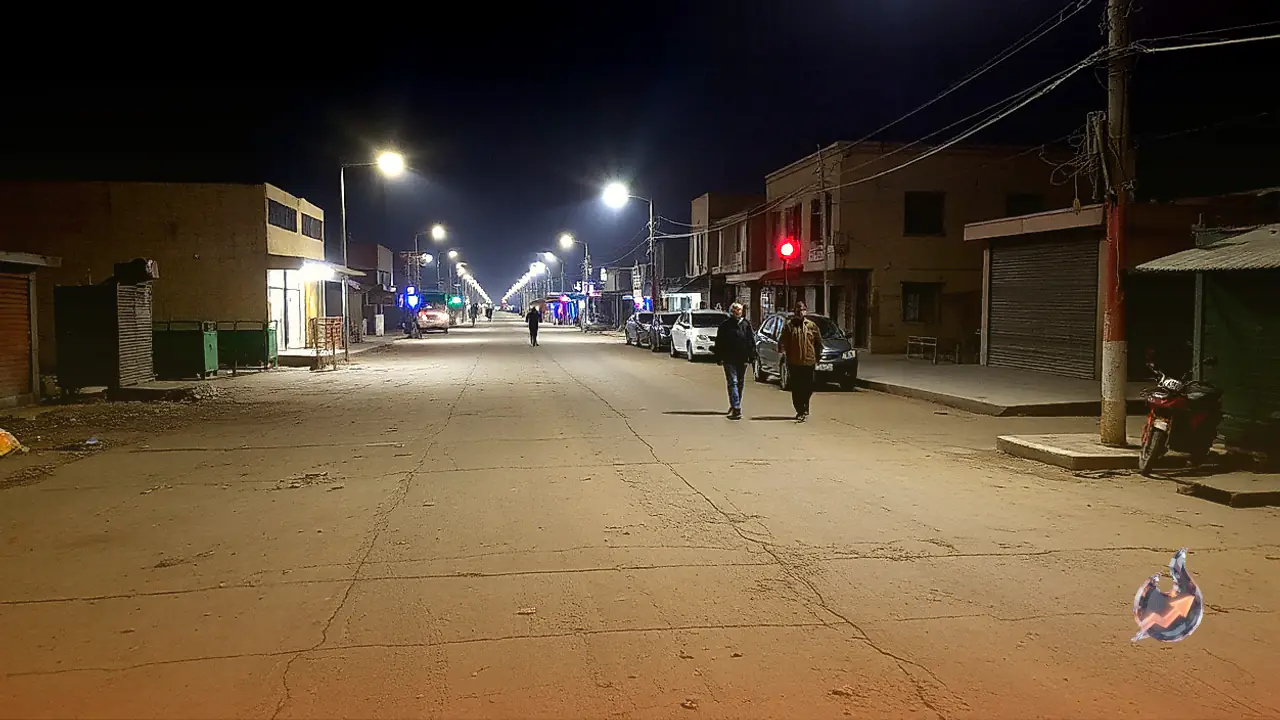























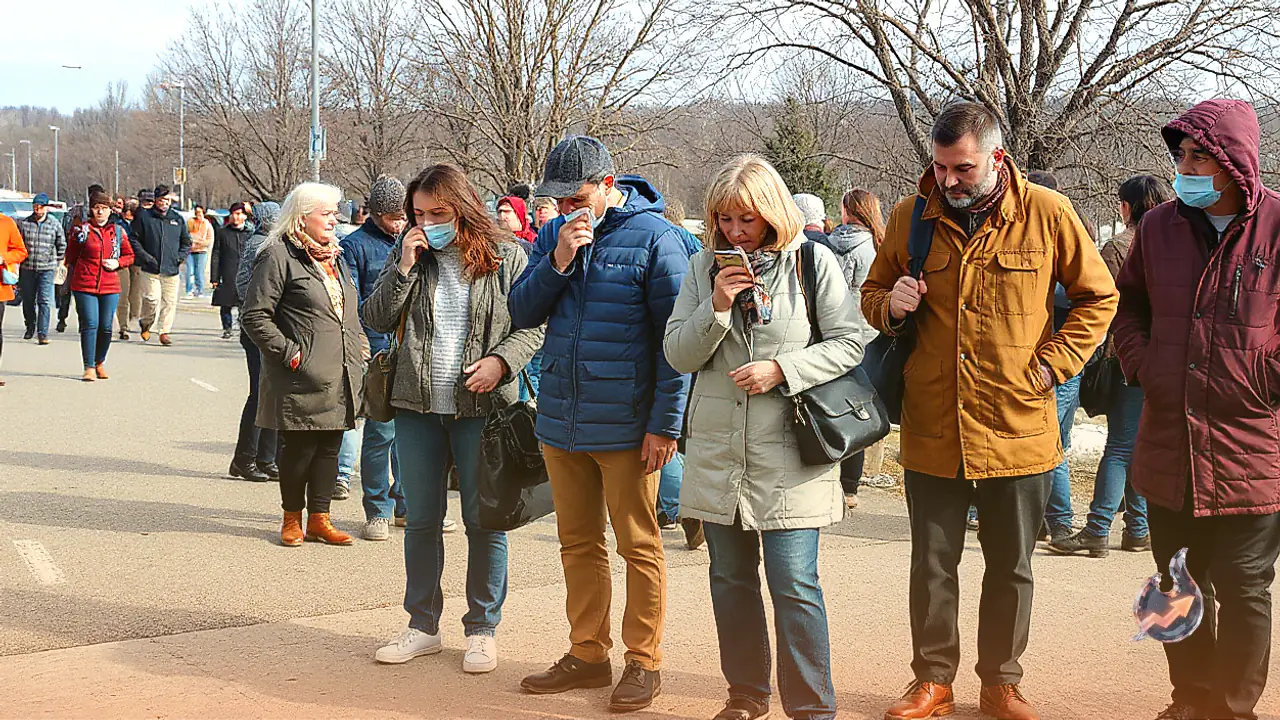

With every seasonal shift, common colds and viral infections become widespread. People often manage these initial symptoms using over-the-counter medications and home remedies, successfully clearing up the runny nose and congestion. However, a lingering issue persists for a significant number of individuals who continue coughing for days or even weeks afterward. Residents in polluted urban areas frequently assume that this ongoing cough is simply a direct result of toxic air and will resolve once the air quality improves. Experts examine whether this common assumption holds true or if deeper health factors are being overlooked.
Understanding Post-Infectious Cough and Airway Inflammation
Dr. Nikhil Modi, senior consultant in respiratory medicine at Indraprastha Apollo Hospitals in New Delhi, explained that seasonal colds are primarily driven by infections, making coughing a natural part of the body's response. However, a cough can linger long after all other cold symptoms have disappeared, a condition known as post-infectious cough. Respiratory passages often remain inflamed following an infection, with this swelling persisting for anywhere from three to eight weeks. While environmental pollution certainly triggers various respiratory troubles including coughing, attributing every single prolonged cough solely to air quality is inaccurate.
Symptom Analysis and Airway Sensitivity
When a patient experiences a cough lasting longer than three weeks, medical professionals conduct a detailed analysis of the emerging symptoms. The absence of an acute throat infection does not mean the underlying airways have instantly recovered their normal sensitivity. Everyday activities such as prolonged talking, laughing, exposure to cold drafts, or breathing in dust can easily trigger a coughing fit. Individuals residing in heavily polluted zones face the highest risk of prolonged airway irritation. A thorough medical investigation involving specific diagnostic tests remains essential to determine the exact root cause behind any chronic cough.
Pneumonia and Deep Lung Infections
Pulmonary infections like pneumonia cause inflammation within the tiny air sacs of the lungs, obstructing proper oxygen exchange and leading to breathing difficulties. Pneumonia-related coughing frequently accompanies symptoms such as phlegm production, high fever, chills, chest pain, and shortness of breath. Taking a deep breath or coughing often intensifies chest discomfort. Older adults might not always present with a high fever, instead exhibiting severe fatigue, loss of appetite, or confusion. Worsening coughs coupled with breathing discomfort require immediate medical attention.
Asthma Indicators and Wheezing Sounds
Asthma-related coughing often produces a distinct wheezing or whistling sound from the chest. If coughing episodes frequently strike at night, follow physical exertion, worsen in cold air, or flare up in dusty environments, asthma could be the underlying trigger. Airway constriction and inflammation narrow the breathing passages during such episodes, producing characteristic respiratory sounds. Recurring coughs accompanied by chest tightness or wheezing warrant an immediate professional evaluation by a qualified specialist.
When to Seek Urgent Medical Care
Healthy individuals experiencing a lingering post-infection cough generally recover over time, but a cough exceeding three weeks without improvement demands professional medical intervention. Persistent symptoms might signal an underlying chronic condition that requires specific diagnostic testing to identify properly. Consulting a specialist ensures that any hidden respiratory illness is diagnosed accurately and treated with the appropriate clinical approach before complications arise.