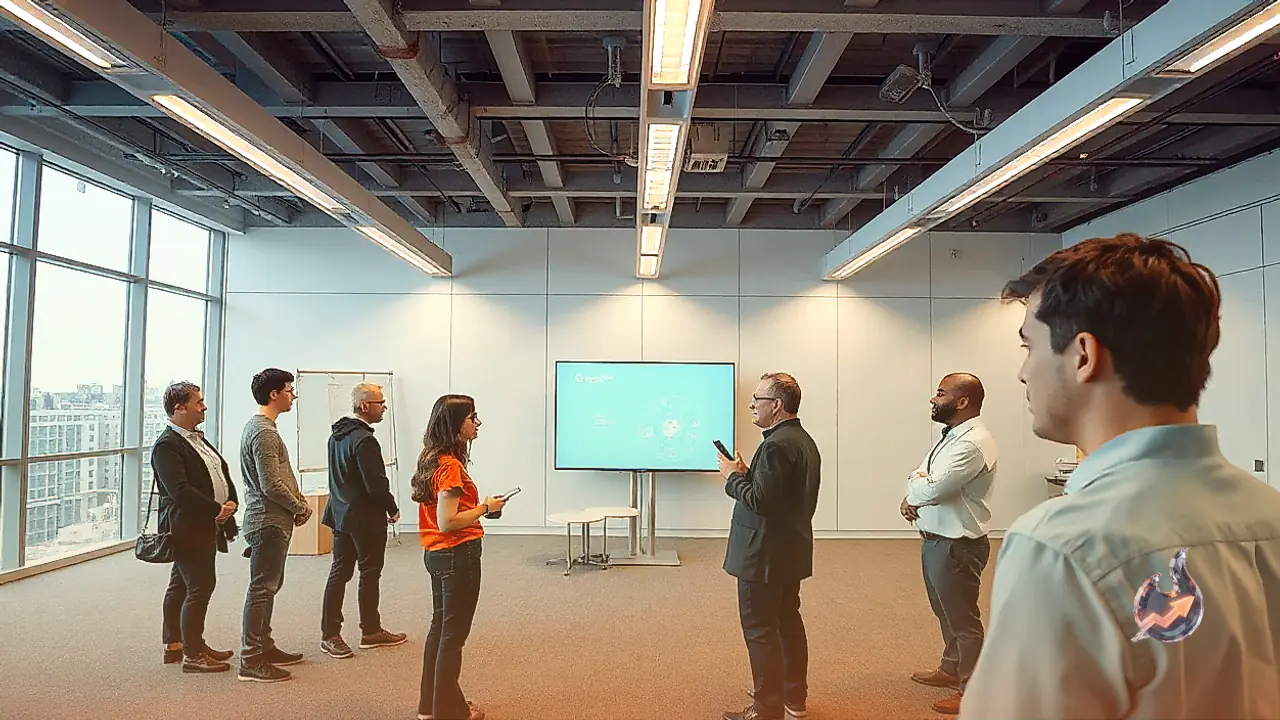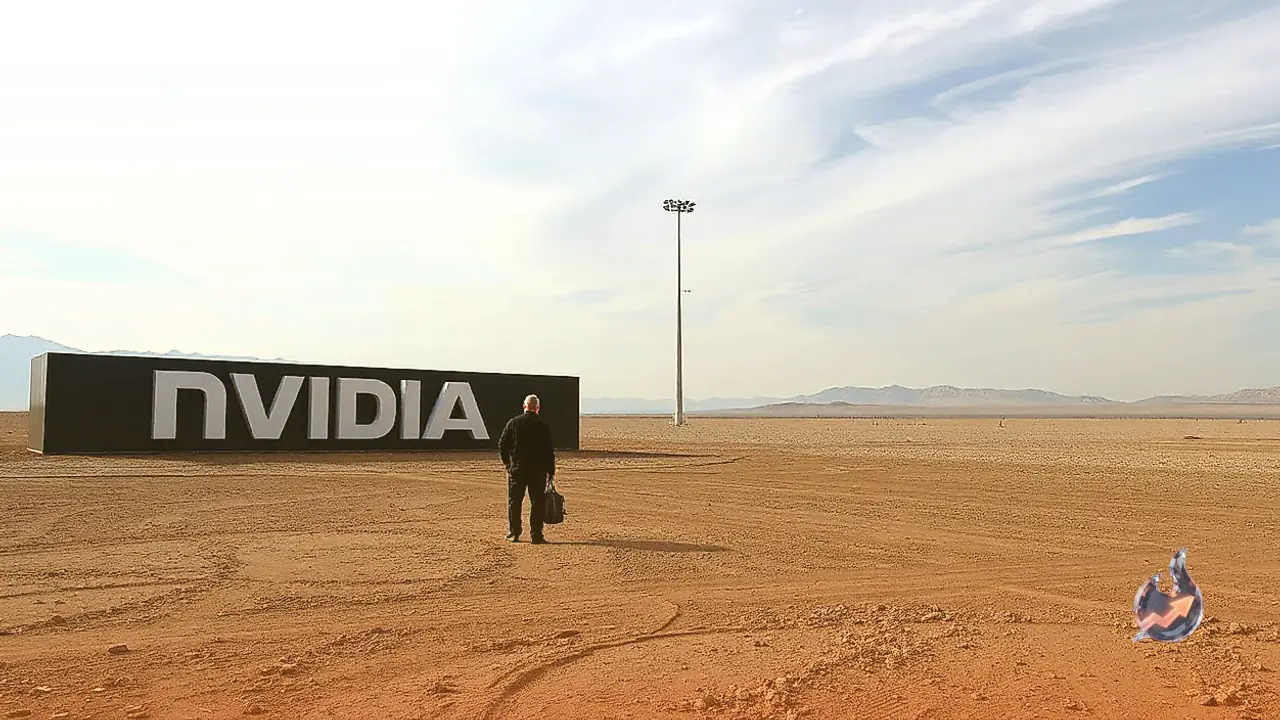

























The sudden resignation of Jensen Huang, the embattled CEO who co-founded and led Nvidia for 33 years, has sent shockwaves through the global technology and startup sectors. Industry founders and venture capitalists are grappling with the departure of a leader whose company has served as a primary financial engine for the artificial intelligence boom over the past several years.
A Massive Engine for Startup Capital
According to PitchBook data, Nvidia has operated as a prolific investor, deploying tens of billions of dollars annually into young companies and participating in 105 funding rounds this year alone, frequently acting as the lead backer. Maria Davidson, founder of Relational Capital, noted that any shift in this investment direction would deliver a heavy blow to numerous emerging enterprises.
Shamilla Bankiya of Dawn Capital emphasized that Nvidia has effectively carried almost every AI-native application and neocloud startup in the market. Umesh Padval, managing partner at Seligman Ventures who has known Huang since the Mellanox Technologies acquisition in 2020 for roughly $7 billion, stated that the crucial decisions to fund these ventures typically originated directly from Huang himself. While market participants hope an eventual successor will revive the aggressive dealmaking strategy, near-term prospects remain uncertain.
Shifting Strategies Under Interim Leadership
Interim CEO Colette Kress is widely anticipated to implement strategic adjustments, particularly regarding early-stage AI investments tied to the massive data center build-outs that have previously concerned Wall Street analysts. One investor remarked that Kress adopts a far more conservative approach and is unlikely to commit equivalent capital to sustain the early-stage ecosystem.
Nvidia's largest capital allocations historically targeted neoclouds, inference providers, and open-weight models, segments that remain prohibitively expensive for smaller developers. Ghost co-founder Zain Javid pointed out that Huang's proactive initiatives served as the primary catalyst enabling a thriving ecosystem to emerge despite these heavy financial hurdles.
Global Reach and Ecosystem Dependence
The chipmaker's extensive portfolio includes early bets on CoreWeave, multiple rounds for Crusoe including a $1.4 billion Series E, and the acquisition of Hugging Face for $13 billion, which is expected to close in 2027. Nvidia has also backed Mistral AI, Lambda, and Black Forest Labs, often writing massive checks such as the $800 million investment into Reflection AI's $2.1 billion Series B round prior to significant revenue generation, as reported by the Wall Street Journal.
Bankiya highlighted Huang's strong conviction in open source initiatives and European technology markets, warning that a cessation of this regional support would create an unfillable funding gap outside the United States. At the same time, Nvidia's overwhelming market dominance occasionally carried monopolistic characteristics, as generous financial backing effectively locked startups into utilizing proprietary hardware.
Opportunities for Competitors and Market Outlook
A more conservative investment stance from the chip giant could open doors for rival firms and smaller competitors. Coincidentally, Google recently announced two new specialized chips amid the ongoing corporate transition. Dharmesh Thakker, general partner at Battery Ventures, expects major technology rivals to compete for Nvidia's investment crown, contingent upon their ability to offer superior products, strong communities to challenge the CUDA software platform, and sufficient financial power.
While industry giants like Google, Amazon, Microsoft, and AMD may support mature companies to drive cloud adoption, Thakker remains doubtful they will commit hundreds of millions into pre-revenue infrastructure startups in the manner Nvidia previously did. Under Huang's tenure, infrastructure enterprises requiring massive GPU allocations often secured half their funding at billion-dollar valuations directly from the chipmaker, which provided traditional venture capitalists with the confidence to participate.
Market observers expect Nvidia to exercise greater selectivity with new investments while issuing smaller checks to existing holdings, a shift likely to compress startup valuations. Padval noted that the presence of the company on a cap table historically provided safety for outside investors, who may now pause certain transactions. Nevertheless, industry figures maintain that the broader artificial intelligence boom will continue, with former Nvidia employee and venture fund manager Amulya Vishwanath emphasizing that leadership accountability and industry talent remain independent of any single individual.