























Reaching for an antacid the moment you feel bloated or acidic has become second nature for many people, and doctors are now warning that this reflex habit can quietly harm the body over time. In Faridabad, plenty of people keep antacid tablets or syrup within arm's reach and pop them at the slightest hint of discomfort, but gastroenterologists say these medicines only help when they are taken in the right dose, at the right time, and under a doctor's guidance.
Helpful when supervised, harmful when self-prescribed
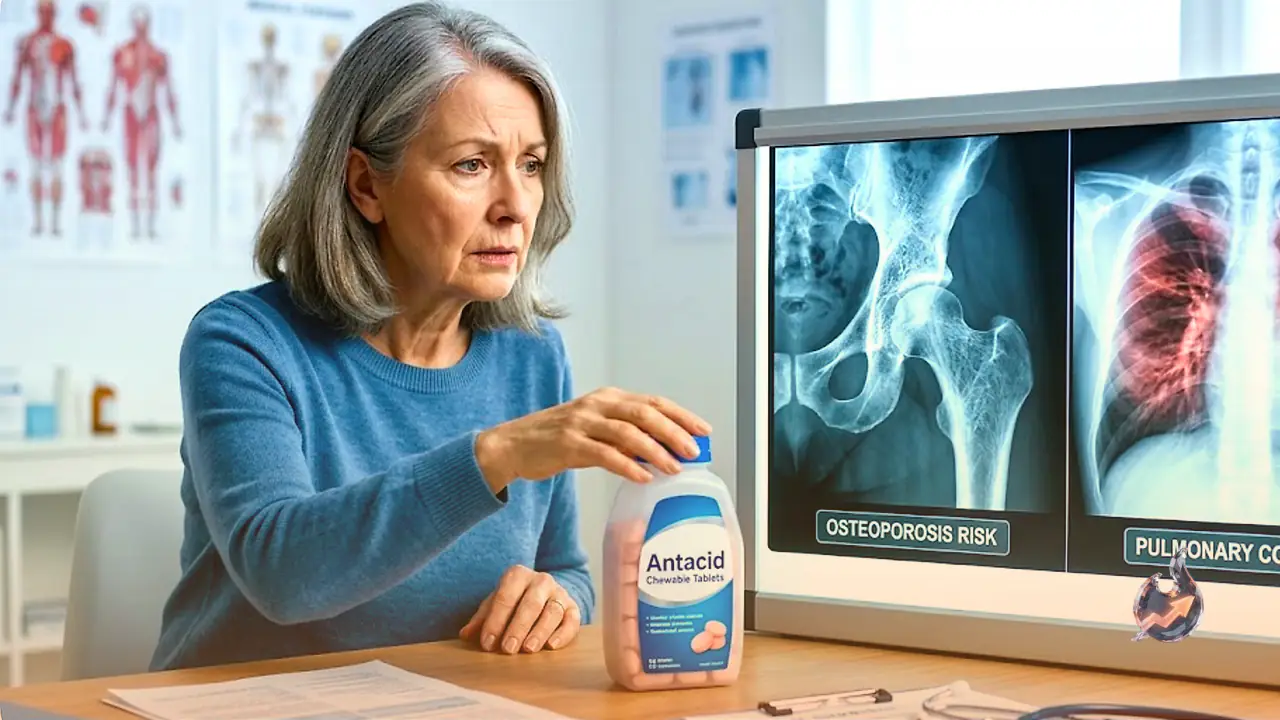
Dr. Manoj Yadav, Consultant Gastroenterologist at Sarvodaya Hospital in Faridabad, explains that gas and acidity medicines do bring relief when used correctly and under medical supervision. The trouble starts when people take these drugs on their own, without a checkup, for months or even years at a stretch. According to Dr. Yadav, prolonged self-medication raises the risk of recurrent pneumonia in the lungs.
Weaker bones and a higher infection risk
Long-term antacid use also depletes calcium and Vitamin-D levels in the body, which directly weakens the bones over time. On top of that, the risk of stomach infections, typhoid and other bacterial infections goes up as well. Dr. Yadav notes that these side effects rarely show up immediately, they build up quietly and only become apparent after the body has already been weakened from within.
The mistake of treating it as a harmless daily medicine
Dr. Yadav points out that the biggest problem is people treating gas and acidity medicine as an ordinary, harmless drug and continuing to take it without ever consulting a doctor. His advice is that anyone facing repeated bouts of gas or acidity should look for the actual underlying cause instead of simply masking the discomfort with medicine each time. A proper diagnosis and targeted treatment can get to the root of the problem while also avoiding the side effects that come from unnecessary medication.
Elderly patients are more vulnerable than the young
The effect of these medicines is not the same for everyone, Dr. Yadav adds. Younger people generally have stronger bones and better immunity, so they do not feel much trouble in the initial stages of misuse. Elderly patients, however, tend to show side effects much sooner. That is why older adults in particular are advised against buying and consuming gas or acidity medicines from a medical store without first consulting a doctor.
Changing lifestyles and diet are fuelling the problem
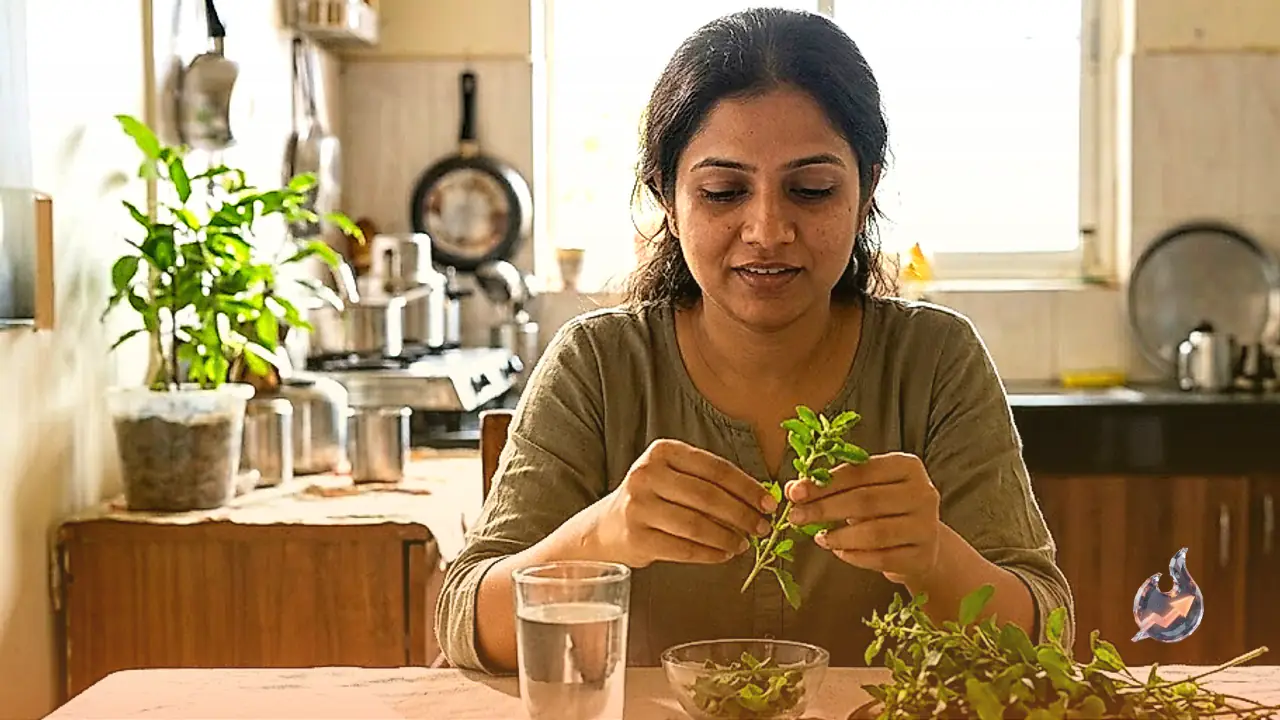
Dr. Yadav also links the rising number of gas and acidity cases to today's changing lifestyle. Physical activity levels have dropped sharply, while the consumption of oily, spicy and fast food keeps climbing. This kind of diet is becoming a major root cause of stomach ailments. He recommends including fruits, green vegetables and simple home-cooked meals in everyday diets, adding that staying away from fast food and overly spicy meals can significantly reduce the incidence of gas and acidity.
Children pick up eating habits from home
According to Dr. Yadav, children's eating habits are shaped largely by what they see at home. If elders in the family eat fast food every day, children end up learning and adopting the same habit. He urges families to adopt healthier eating habits themselves so that children follow suit. His final word is clear, if gas or acidity keeps recurring, getting a proper checkup from a doctor rather than repeatedly reaching for medicine is the safest and correct approach.