























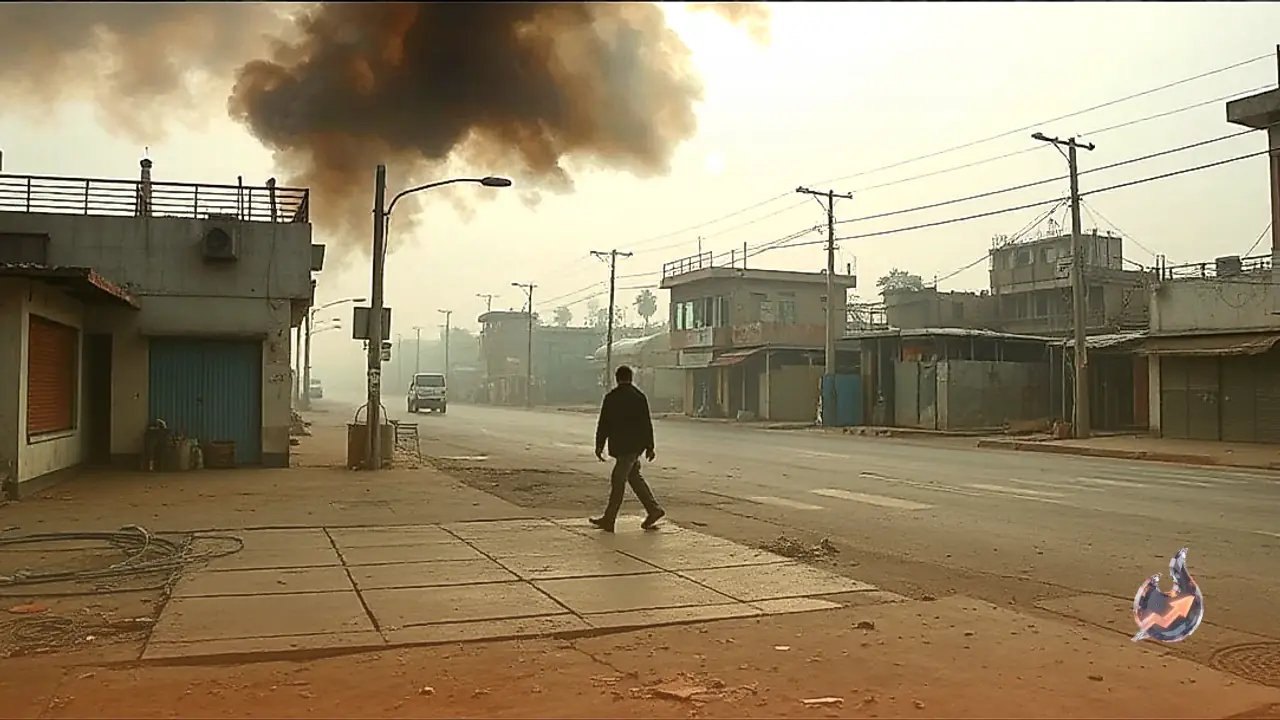

A suffocating layer of smog and toxic haze has once again blanketed Delhi and the entire National Capital Region (NCR). Air quality index readings have crossed the alarming 350 mark in several sectors, leaving residents struggling with severe throat irritation, burning eyes, and breathing difficulties. While public conversations surrounding poor air quality predominantly focus on respiratory illnesses and lung infections, polluted air poses an equally lethal threat to cardiovascular health. Tiny airborne pollutants bypass the respiratory filters, directly entering the blood circulation and sharply elevating the vulnerability to fatal cardiac events.
How Microscopic PM2.5 Particles Travel into the Bloodstream
Explaining the physiological mechanism, pathologist and Agilus Diagnostics director Dr. Ajay Phadke (MD) highlighted that atmospheric contamination is not merely a respiratory hazard. Microscopic particulate matter, specifically PM2.5, penetrates deep into lung tissue and migrates straight into the human bloodstream. Once inside systemic circulation, these foreign particulates trigger extensive inflammation throughout the respiratory pathways.
This persistent systemic inflammation causes blood pressure to elevate rapidly while simultaneously accelerating blood clotting mechanisms within the vascular system. When blood flow and oxygen supply to the heart muscles become obstructed by these clots, it creates an acute risk of myocardial infarction and strokes. Clinical research indicates that whenever an area experiences a severe surge in AQI metrics, hospitals witness a corresponding rise in emergency heart attack and stroke admissions within the subsequent days.
High Risk Demographics Requiring Maximum Caution
From a medical perspective, there is no permissible or entirely harmless threshold for air contamination. Even when AQI numbers hover at intermediate or moderate tiers, vulnerable sections of the population remain exposed to physiological strain. Throughout the high pollution winter phase, children, pregnant women, elderly citizens, active smokers, and individuals diagnosed with chronic health conditions need to exercise maximum vigilance.
Patients who already manage pre-existing ailments such as asthma, chronic obstructive pulmonary disease (COPD), diabetes, or cardiovascular disorders face amplified physiological stress. For these high risk individuals, exposure to hazardous smog can trigger rapid health deterioration, making preventive measures and reduced outdoor exposure imperative for survival.
Crucial Warning Signs That Demand Immediate Medical Attention
Residents must remain watchful for subtle and overt physiological signals during severe smog spells. If persistent coughing lingers beyond two to three weeks, breathing produces audible wheezing or rattling sounds, minimal exertion leads to shortness of breath, or an uncomfortable tightness grips the chest, prompt medical consultation becomes necessary.
A critical metric to monitor is oxygen saturation: if blood oxygen levels drop below 94 percent while resting, professional clinical intervention should be sought without hesitation. Crucially, individuals experiencing persistent respiratory discomfort must avoid self-medicating with over-the-counter antibiotics or unprescribed steroids, as unsupervised medication can mask underlying cardiovascular and pulmonary complications.
Essential Diagnostic Screenings to Prevent Irreversible Organ Damage
Depending on the clinical symptoms presented, medical professionals frequently recommend diagnostic evaluations such as a complete blood count (CBC), C-reactive protein (CRP), absolute eosinophil count, immunoglobulin E (IgE), spirometry lung capacity tests, or standard chest X-rays. For individuals with existing cardiac issues, physicians emphasize detailed cardiovascular profiles including electrocardiograms (ECG), comprehensive lipid profiles, HbA1c glycemic markers, and high-sensitivity CRP (hs-CRP) tests.
Securing a baseline health assessment prior to the onset of peak pollution months allows doctors to track changes accurately. Should unexpected symptoms surface as pollution thickens, repeating these evaluations enables timely medical adjustments. Detecting toxic atmospheric damage to the lungs and vascular structures at an early stage ensures that effective medical protocols can mitigate long-term cardiovascular risks.