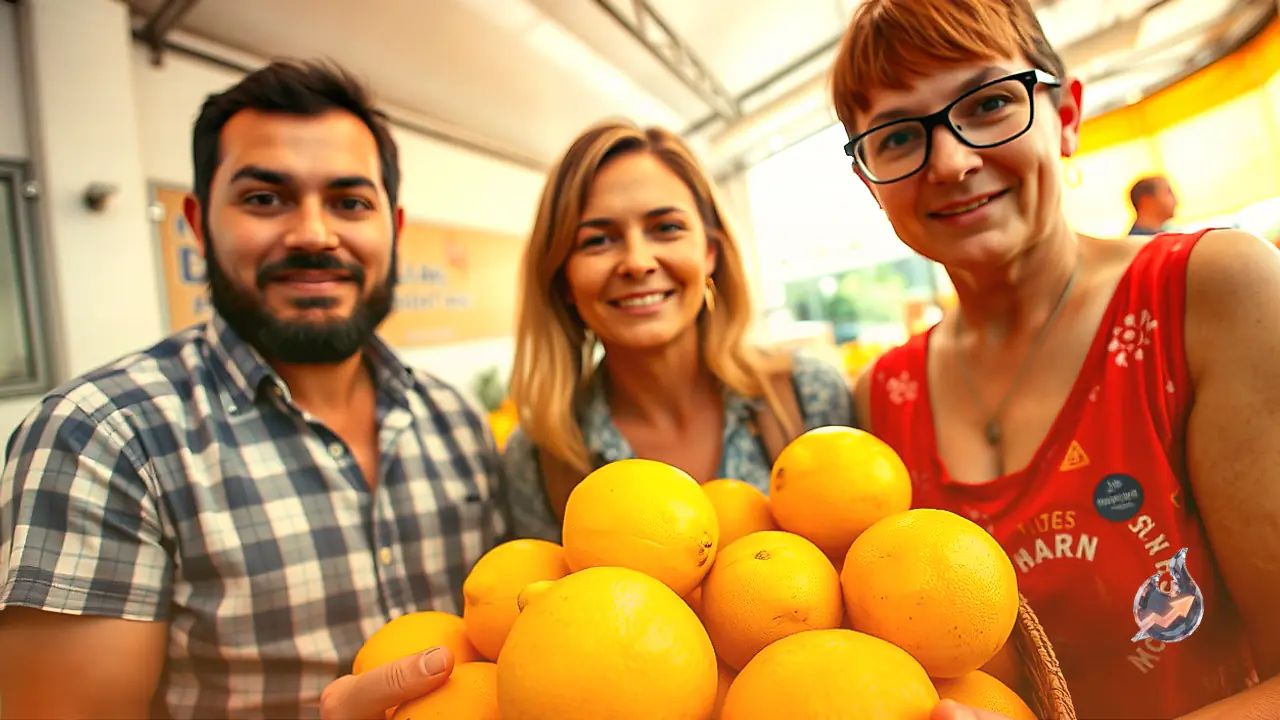




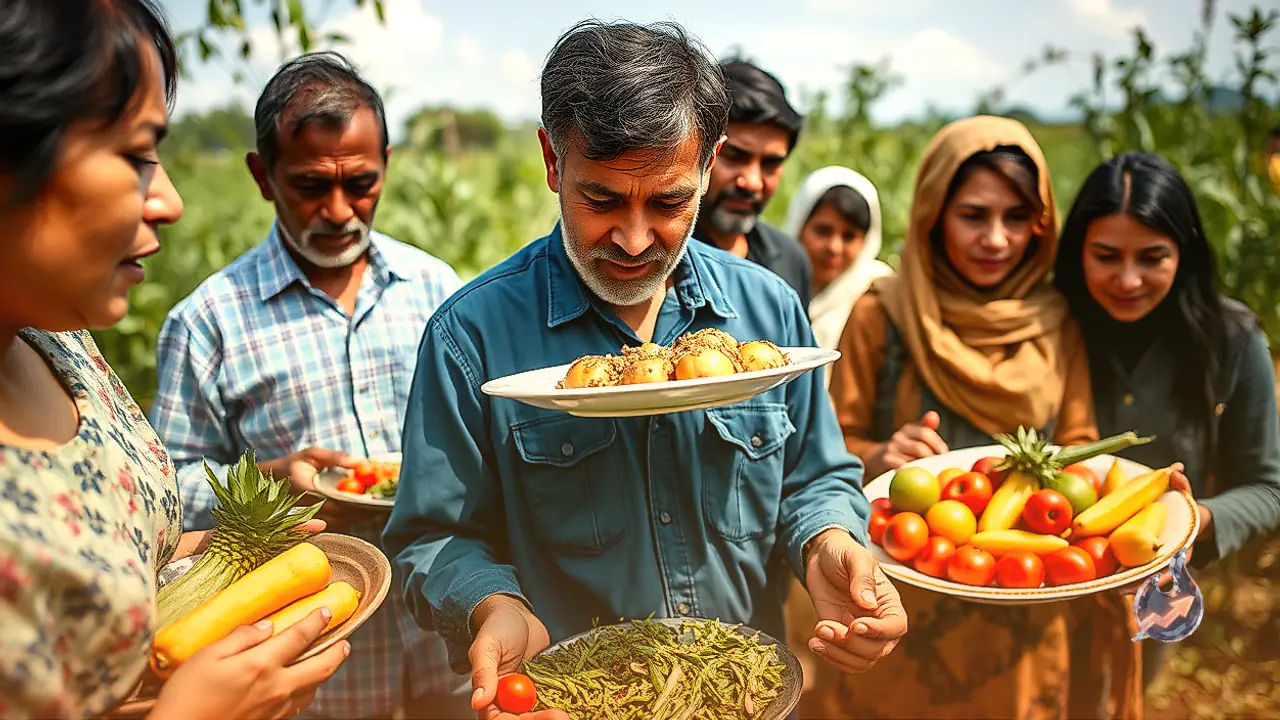

















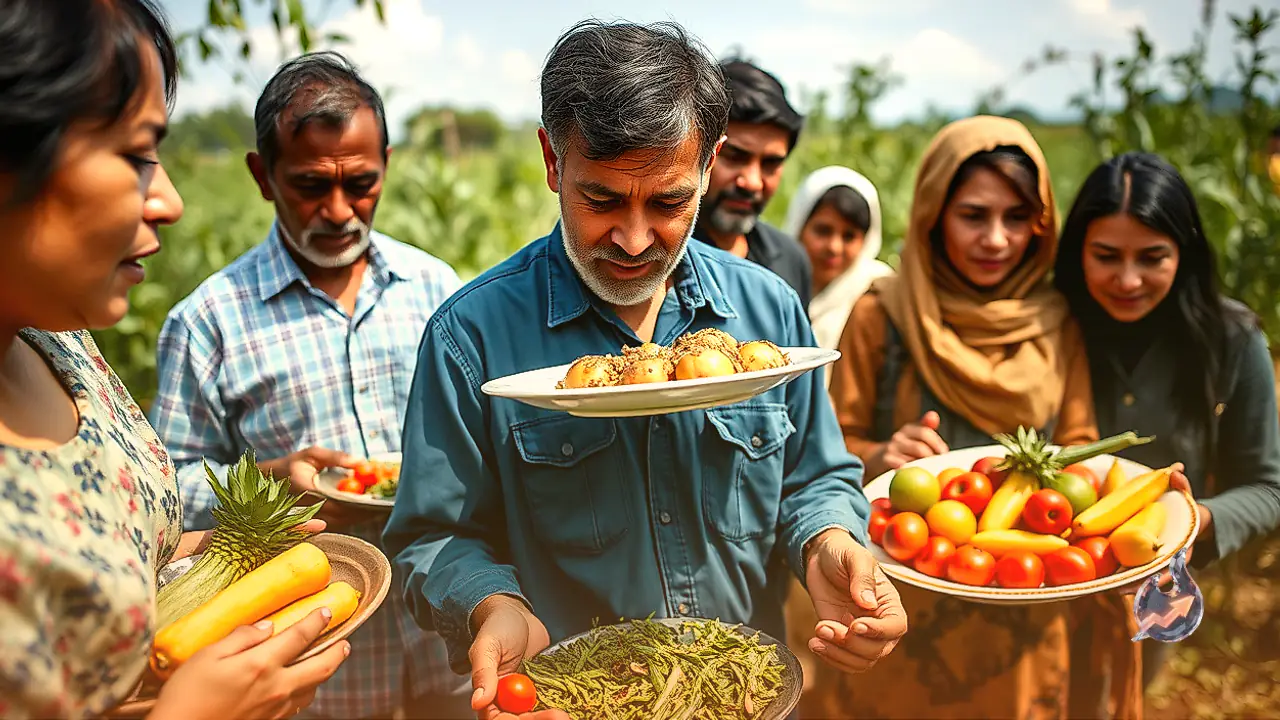

Modern cold storage infrastructure and advanced logistics now make almost every vegetable and fruit purchasable throughout the calendar year. Even so, human biology remains deeply synchronized with the rhythms of the natural world. Crops cultivated and harvested during their native period deliver the pinnacle of nourishment and vitality. Relying on seasonal produce supplies dense concentrations of nutrients while shielding the human immune system from typical climate-driven ailments.
Superior Flavor, Rich Nutrition, and Authentic Freshness
Produce allowed to ripen naturally under steady sunlight and fresh soil absorbs an abundance of essential minerals, active antioxidants, dietary fibers, and restorative vitamins. When food undergoes artificial ripening or extensive preservation in cooling warehouses, it gradually loses both wholesome micronutrients and sensory appeal. Naturally harvested options taste distinctly crisp, flavorful, and aromatic. Furthermore, their clean nutritional matrix supports easier digestion and optimal metabolic functioning without chemical residues.
Harmonizing Internal Biology with Changing Seasons
The physiological requirements of the human body shift significantly as external temperatures fluctuate. Intense summer heat leads to rapid fluid depletion, which nature resolves by providing succulent, water-dense produce to prevent severe dehydration. Conversely, freezing winter weather calls for warming calories, dense dietary iron, and steady stamina to support systemic circulation. Matching daily dietary selections to the current ambient weather reinforces natural defenses without relying on manufactured supplements.
Budget-Friendly Shopping with Maximum Nutrient Density
Embracing seasonal eating offers remarkable financial benefits alongside health rewards. Whenever regional harvests peak, local supply spikes across wholesale markets, bringing consumer retail prices down substantially. Families can easily procure peak-grade nourishment at very modest expenditures. In stark contrast, off-season goods carry heavy transportation markups and refrigeration premiums while offering degraded sensory and nutritional value.
Harvest Guide Across the Three Primary Seasons
Summer Selections: Vital fruits include mangoes, watermelons, muskmelons, lychees, black plums, wood apples, and cucumbers, which effectively cool bodily tissues. Ideal summer greens and vegetables comprise bottle gourd, ridge gourd, pointed gourd, okra, bitter gourd, and apple gourd.
Monsoon Selections: Humid rainy conditions demand protection against seasonal infections. Helpful fruit harvests include pears, plums, peaches, and early guava crops, complemented by vegetables such as drumsticks, taro root, ridge gourd, okra, and broad beans.
Winter Selections: Cooler months benefit greatly from citrus bursts and root vegetables. Outstanding cold-weather fruits consist of oranges, sweet limes, apples, pomegranates, and kinnow, while the vegetable roster shines with carrots, spinach, fenugreek, mustard leaves, green peas, turnips, cauliflower, and broccoli.