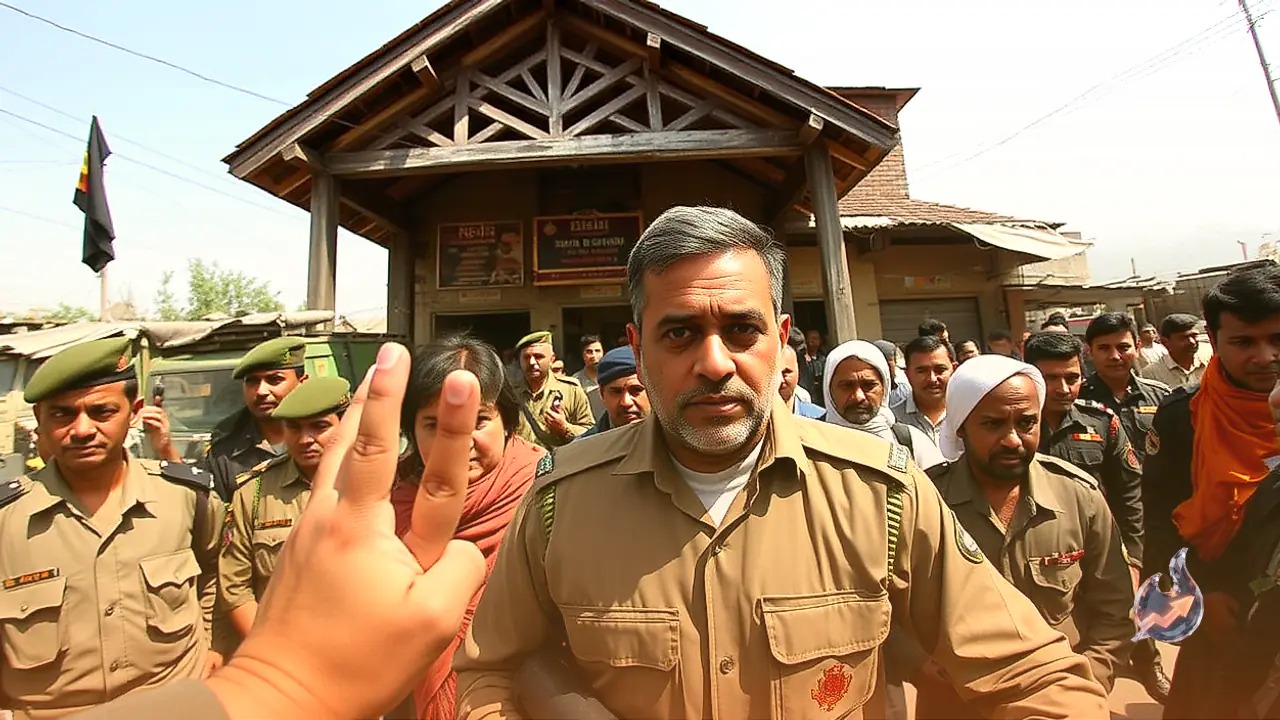




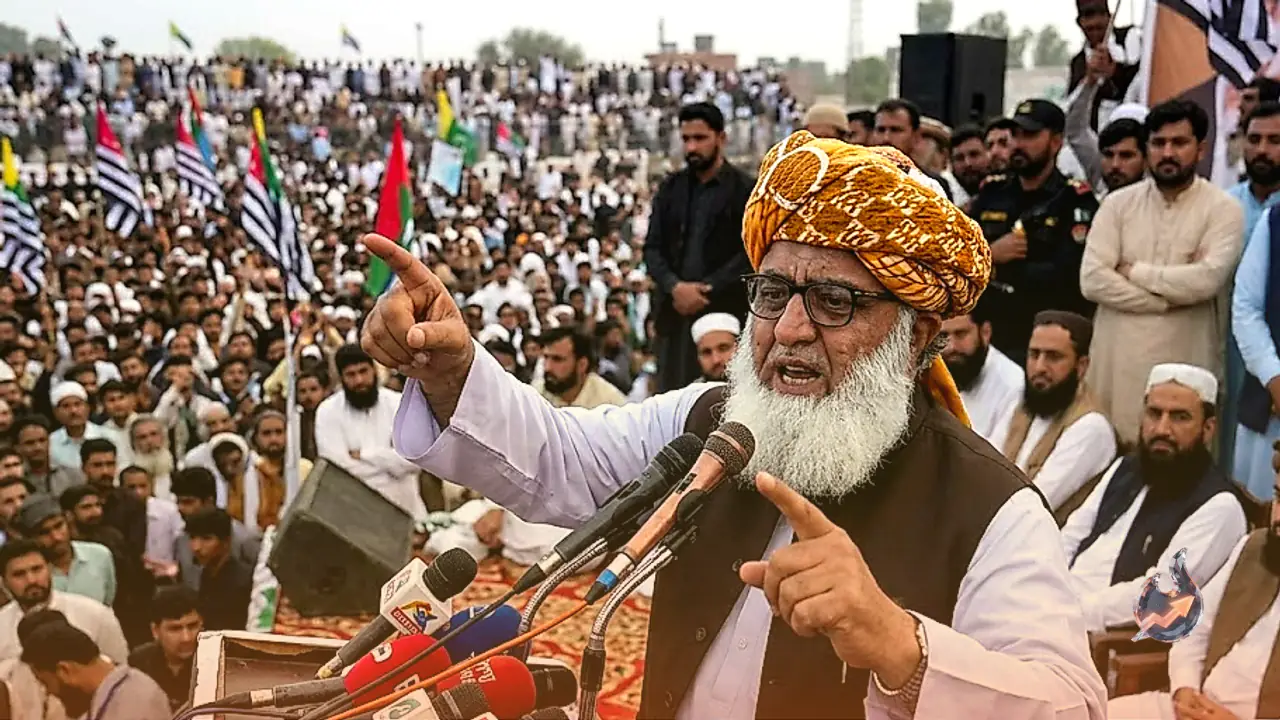
















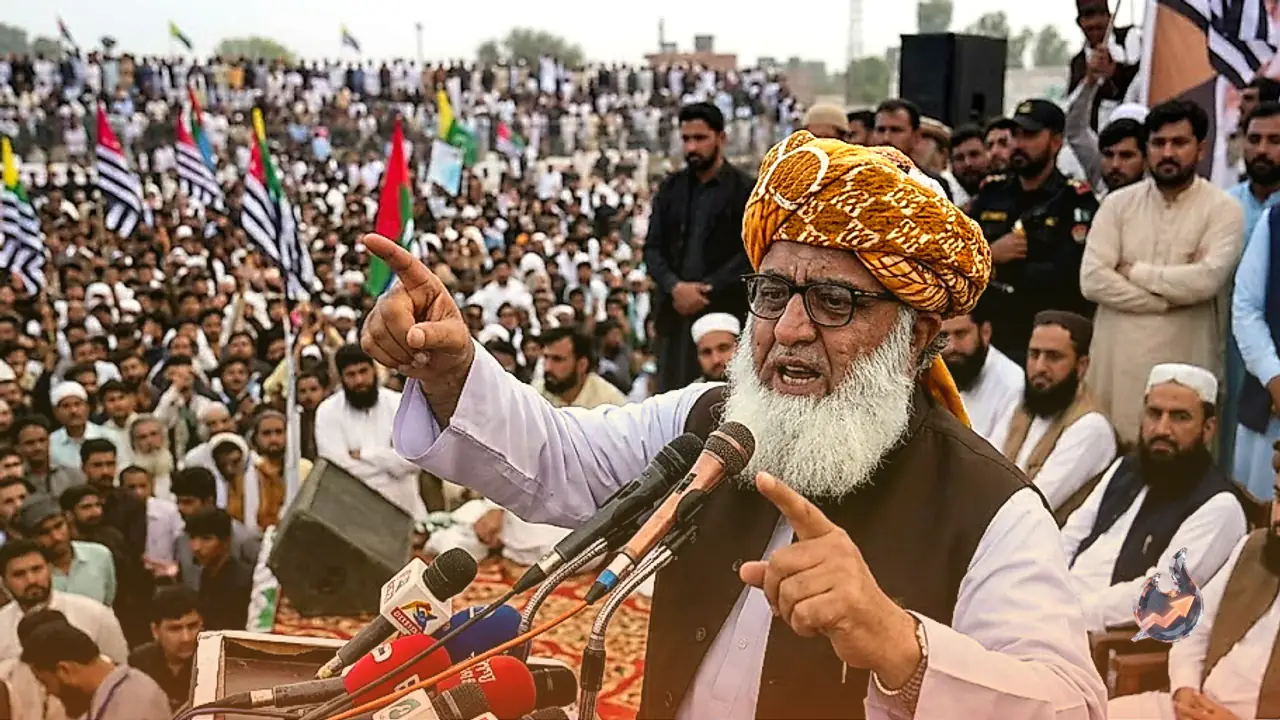

Political friction within Pakistan has intensified significantly over the growing dominance of the military establishment and controversial government actions. Prominent opposition figure and Jamiat Ulema-e-Islam (F) leader Maulana Fazlur Rehman launched a fierce verbal assault on the military leadership. Invoking the humiliating defeat faced by the armed forces in Dhaka back in 1971, he issued a stark warning that concentrating excessive authority within military hands will ultimately prove disastrous. He accused the ruling apparatus of systematically undermining basic public rights, provincial autonomy, and the foundations of democracy. Directing his remarks toward Army Chief Field Marshal Asim Munir, Maulana Fazlur Rehman questioned the unchecked expansion of power, emphasizing that running the country should not be the exclusive prerogative of powerful elites and must instead involve the active participation of ordinary citizens and political parties.
Pakistan is Not Private Property
Accusing those sitting at the helm of affairs of treating the nation like their personal estate, Maulana Fazlur Rehman asserted that the resources and institutions of Pakistan belong strictly to its people rather than any single family or dominant faction. He stated that Pakistan is not the personal fiefdom of anyone. He alleged that the current military leadership and ruling coalition are making monumental decisions affecting the nation's future without taking political stakeholders or the general public into confidence. Maulana Fazlur Rehman noted that if the administration expects genuine cooperation from political forces, it must first learn to respect public mandates and civil liberties. Expressing deep anguish over the mistreatment of political workers, he remarked that while he sheds tears whenever soldiers lose their lives, the ruling authorities merely smile when political activists are targeted, thereby highlighting an apparent disparity in how sacrifices and sufferings are treated.
Lessons from the 1971 Dhaka Defeat
Elaborating on his critique, Maulana Fazlur Rehman brought up the grim events of December 1971, when the Pakistani military surrendered to Indian forces, leading directly to the creation of Bangladesh. He recalled the rhetoric of the military dictator General Yahya Khan, who had boasted shortly before the surrender that his forces would fight on across streets, fields, and mountains. Drawing parallels between that historical debacle and the current socio-political crisis, he argued that nations cannot be governed through mere military might or hollow posturing. According to him, any stable authority requires the enduring trust and active backing of the general population rather than coercion.
The outburst by Maulana Fazlur Rehman coincides with a dangerous escalation of conflict between the federal administration and political opposition regarding the Khyber Pakhtunkhwa province. This specific region was governed by the political party of former Prime Minister Imran Khan, Pakistan Tehreek-e-Insaf (PTI). However, the central government imposed an emergency across the province on October 11, resulting in the immediate dissolution of the provincial government.
Concerns Over FATA Resources and Geopolitics
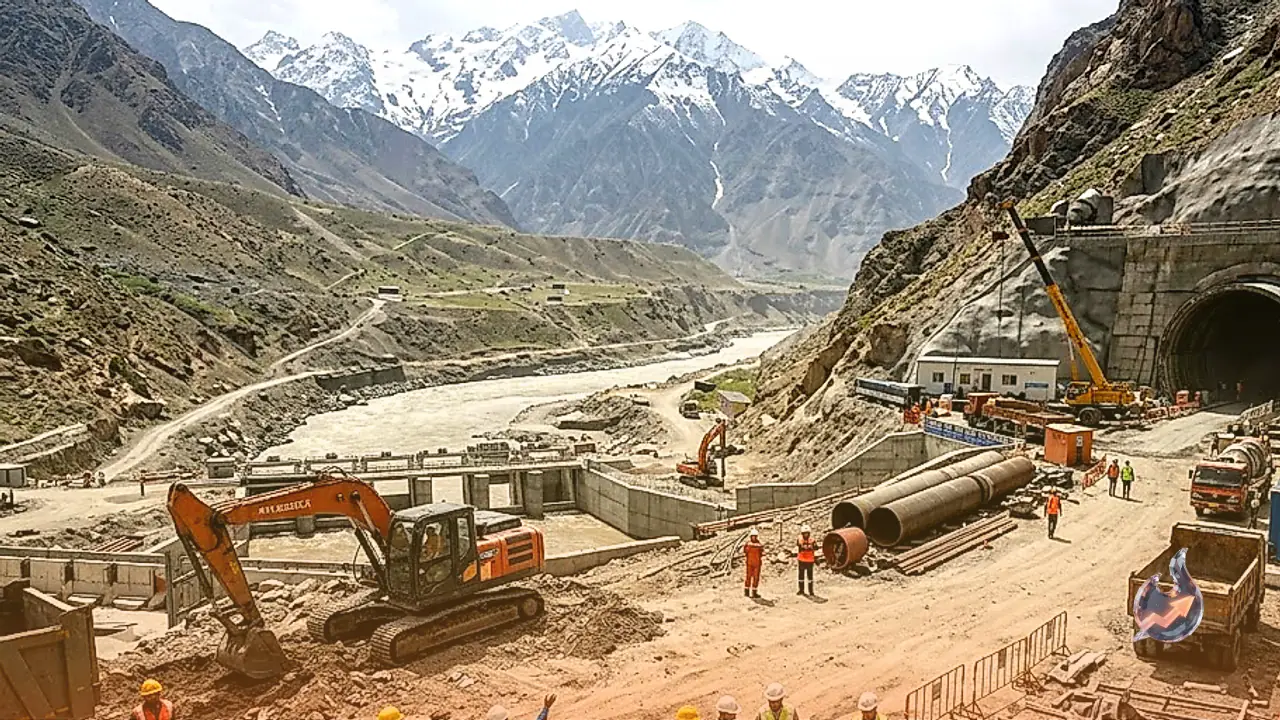
Beyond regional governance issues, Maulana Fazlur Rehman voiced serious apprehension regarding the control of natural resources within the formerly federally administered tribal areas known as FATA. He suspected that the declaration of emergency is merely a calculated maneuver by the federal government to tighten its grip over the mineral wealth embedded within these tribal territories. He suggested that the vast natural reserves present in the region might be a driving motivation behind these heavy-handed administrative decisions. Furthermore, he raised critical questions regarding Islamabad's growing foreign partnerships with Western powers, warning that Beijing and Moscow are closely monitoring the shifting geopolitical dynamics within the region.