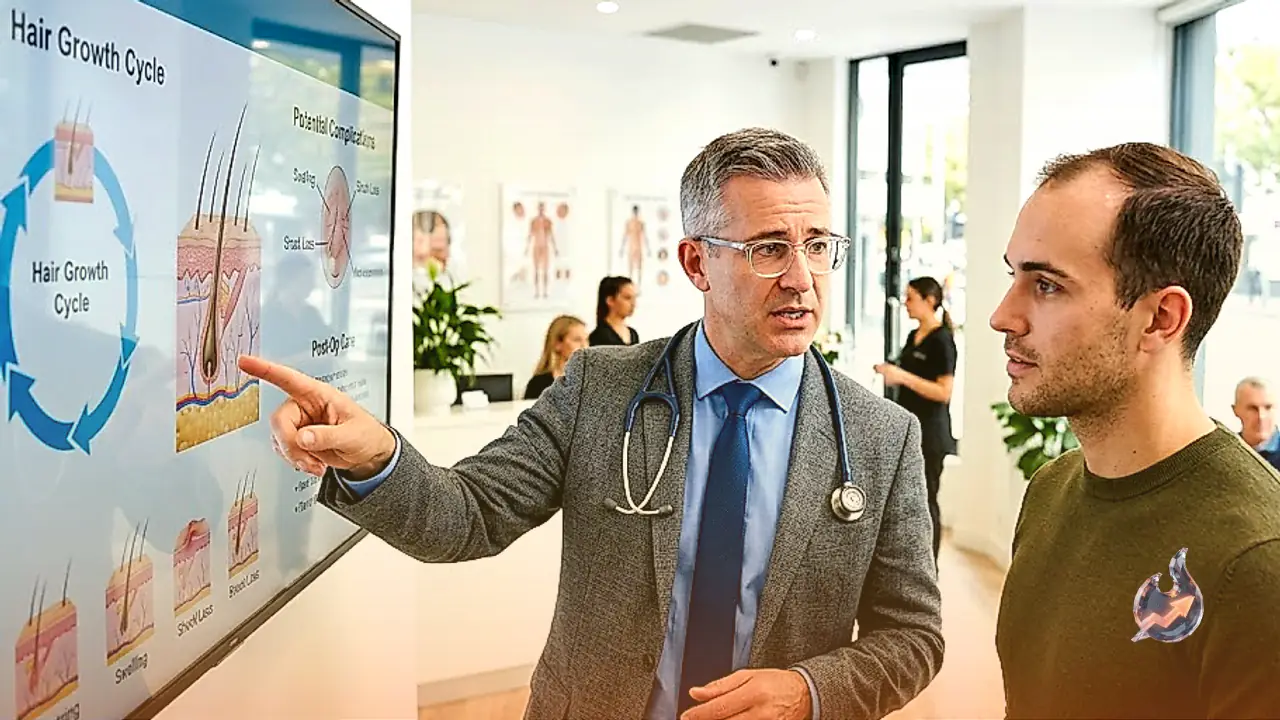

























Waking up with a prominent pimple right before an important job interview, an academic exam, or a wedding is a distressingly familiar experience for many people. The timing feels particularly cruel because it happens precisely when individuals are paying heightened attention to their personal appearance and presentation. This recurring pattern raises natural questions about why the human body reacts this way at critical moments. Explaining this physiological link, Dr. Pankhudi Dudani, consultant dermatologist and psychodermatologist at Amrita Hospital, Faridabad, highlights the powerful connection between psychological tension and skin reactions, while outlining critical precautions people must take.
The Direct Connection Between Mental Pressure and the Skin
According to Dr. Pankhudi Dudani, breakouts appearing just before significant milestones are not mere coincidence. When an individual experiences intense pressure regarding an upcoming event, or becomes excessively preoccupied with their facial appearance, the resulting emotional strain directly manifests across the body. The mind and the physical body operate as an interconnected unit rather than isolated systems.
Just as a physical ailment dampens an individual's mental state, persistent psychological stress inevitably leaves measurable marks on the body. Consequently, heightened tension routinely drives sudden flare-ups in skin conditions like acne. This biological correlation is something countless individuals notice and experience firsthand during demanding phases of their lives.
Ancient Survival Mechanisms Facing Modern Pressures
The human body does not categorize stress by its modern social context. Dr. Pankhudi Dudani explains that internal biological systems do not distinguish between the anxiety of an impending wedding ceremony, a competitive exam, or a high-stakes corporate interview. The human stress response evolved primarily in prehistoric environments to tackle acute physical threats that demanded instantaneous survival actions.
In ancestral times, danger was typically brief and resolved quickly. In contemporary life, however, pressures surrounding careers, examinations, and major social events linger over days, weeks, or even months. When stress remains elevated for extended durations, it triggers a chain of persistent physiological disturbances inside the body. Chronic tension takes a severe toll on systemic wellness, and those internal disruptions frequently erupt on the surface of the skin in the form of acne lesions.
Why Obsessing Over Blemishes Worsens the Problem
Discovering a fresh breakout often sends individuals into a loop of panic, leading them to inspect the mirror constantly. Dr. Pankhudi Dudani cautions that excessive rumination over any health issue never improves the underlying reality. Fixating on facial blemishes creates a counterproductive cycle.
When someone remains perpetually distressed about their pimples, that fixation generates additional emotional strain. This heightened anxiety, in turn, can temporarily exacerbate the severity of the breakout rather than resolving it. Patients are therefore advised to resist the urge to overthink or panic over sudden blemishes, as emotional calmness is essential for biological recovery.
The Hidden Dangers of Toothpaste and Home Remedies
In a rush to eliminate spots overnight, people frequently turn to dubious internet remedies and harsh household products. Dr. Pankhudi Dudani strongly warns against applying substances like toothpaste to active acne. Toothpaste contains drying and abrasive agents formulated strictly for dental enamel, which can burn sensitive facial skin, provoke severe irritation, and leave stubborn dark hyperpigmentation.
Similarly, attempting to squeeze, scratch, or physically pop a pimple risks pushing inflammation deeper into the dermis, often creating permanent scars and pitting. Another major hazard involves purchasing over-the-counter steroid creams without a prescription. While topical steroids might temporarily mask redness, unsupervised use thins the epidermal barrier, weakens local immunity, and eventually triggers severe secondary skin complications.
Safe and Clinical Steps for Emergency Breakouts
In evidence-based dermatology, targeted medications such as adapalene are commonly prescribed to manage acne. Even so, Dr. Pankhudi Dudani stresses that adapalene and similar active compounds should only ever be introduced under the guidance of a qualified dermatologist who can evaluate individual skin tolerance.
If a severe breakout surfaces on the very morning of a milestone event or the day before, self-medicating with random pharmacy creams carries significant risk. Instead, consulting a skin specialist directly is the safest recourse. A trained physician can evaluate the situation and administer safe, targeted, and rapid medical interventions tailored to the patient's immediate timeline. Relying on unverified commercial products risks adverse reactions and lasting damage, making professional medical oversight the only reliable path to clear, healthy skin.