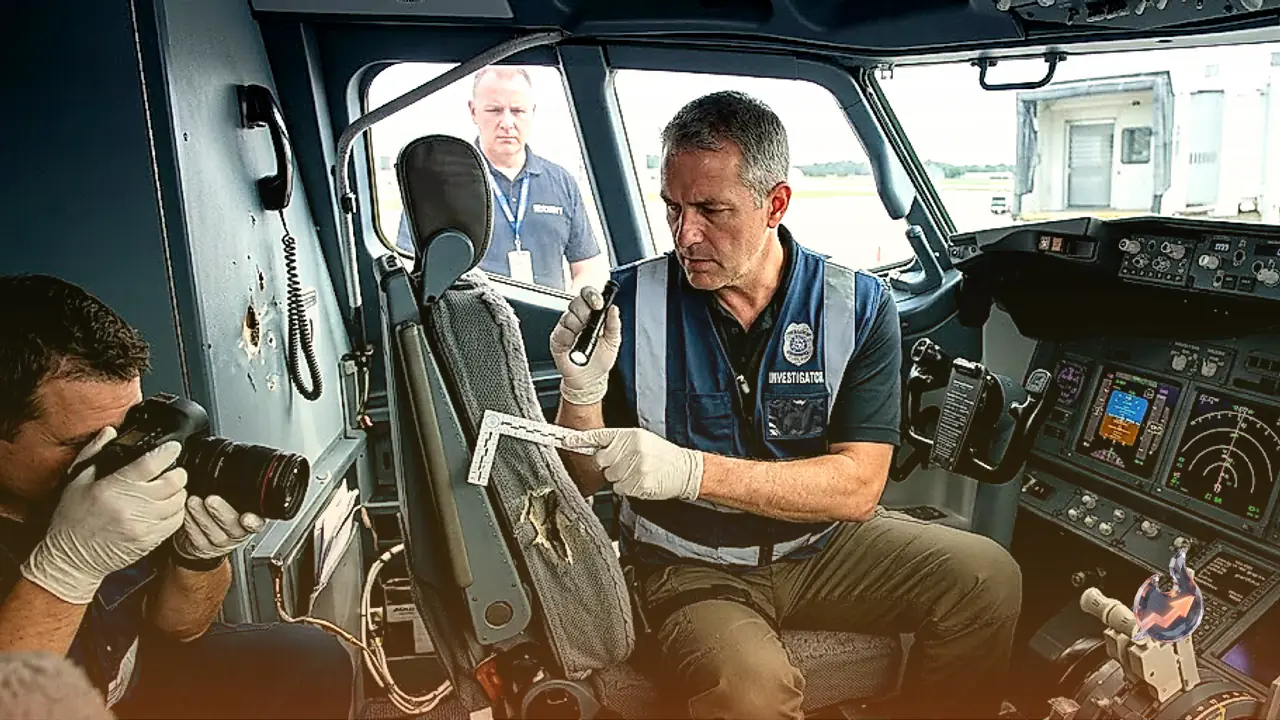




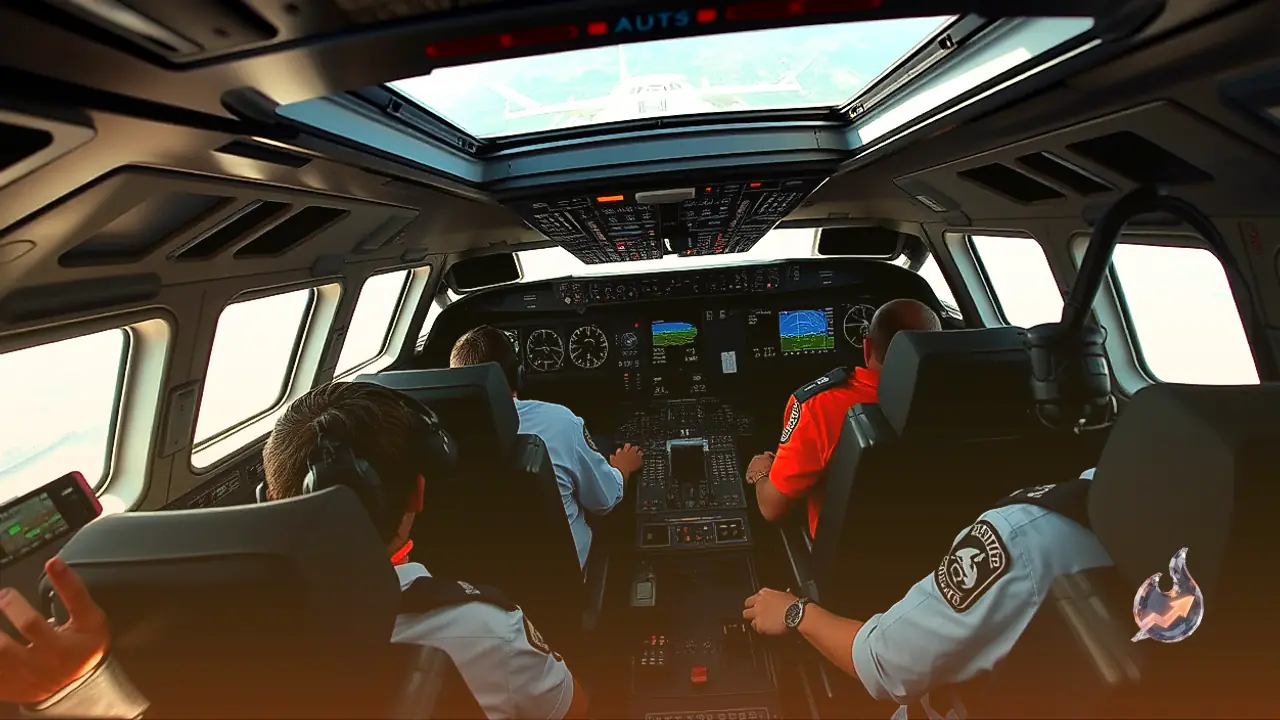


















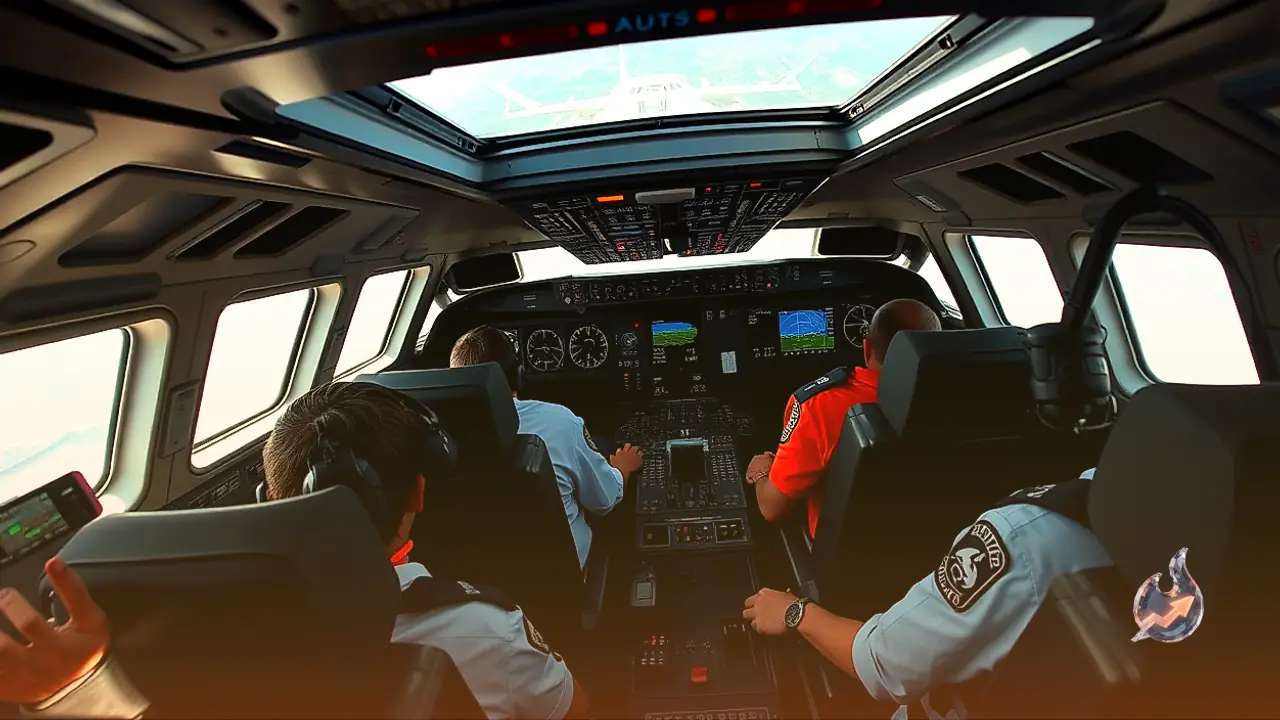

A harrowing mid-air emergency aboard a flydubai passenger flight has cast a spotlight on the severe military protocols triggered when a civilian aircraft is suspected of being hijacked. During the flight, the co-pilot allegedly assaulted the pilot in command, Indian Captain Smit Machchhar, in an attempt to seize control of the aircraft. Amid the physical struggle inside the cockpit, the plane plunged nearly 14,000 feet, creating an immediate and life-threatening crisis. While Captain Smit Machchhar was actively fighting to overpower the attacker and regain control of the aircraft, air defence authorities on the ground were already treating the situation as a potential national security emergency and preparing fighter jets for interception.
Following the resolution of the incident, Israeli Prime Minister Benjamin Netanyahu praised the Indian captain for his bravery in saving lives. Yet, official disclosures revealed a stark reality: during those critical minutes, Israeli defence forces were simultaneously preparing for the extreme contingency of shooting down the aircraft. This divergence underscores the high-stakes dilemma faced by governments worldwide regarding when a commercial airliner carrying innocent civilians can be targeted to avert a catastrophic disaster.
Why Israeli Air Defences Prepared for an Interception
Israel's rapid military escalation was driven primarily by the fear of a coordinated 9/11-style airborne terror attack. As the cockpit struggle unfolded, ground controllers repeatedly attempted to establish radio contact with the aircraft, but the cockpit failed to respond. The flight was carrying more than 170 passengers and crew members, the majority of whom were Israeli citizens. With the aircraft dropping rapidly through the sky and heading toward Israeli airspace without two-way communication, defence officials had to confront the worst-case scenario that the airliner had been compromised and was being steered toward a major population centre or critical infrastructure.
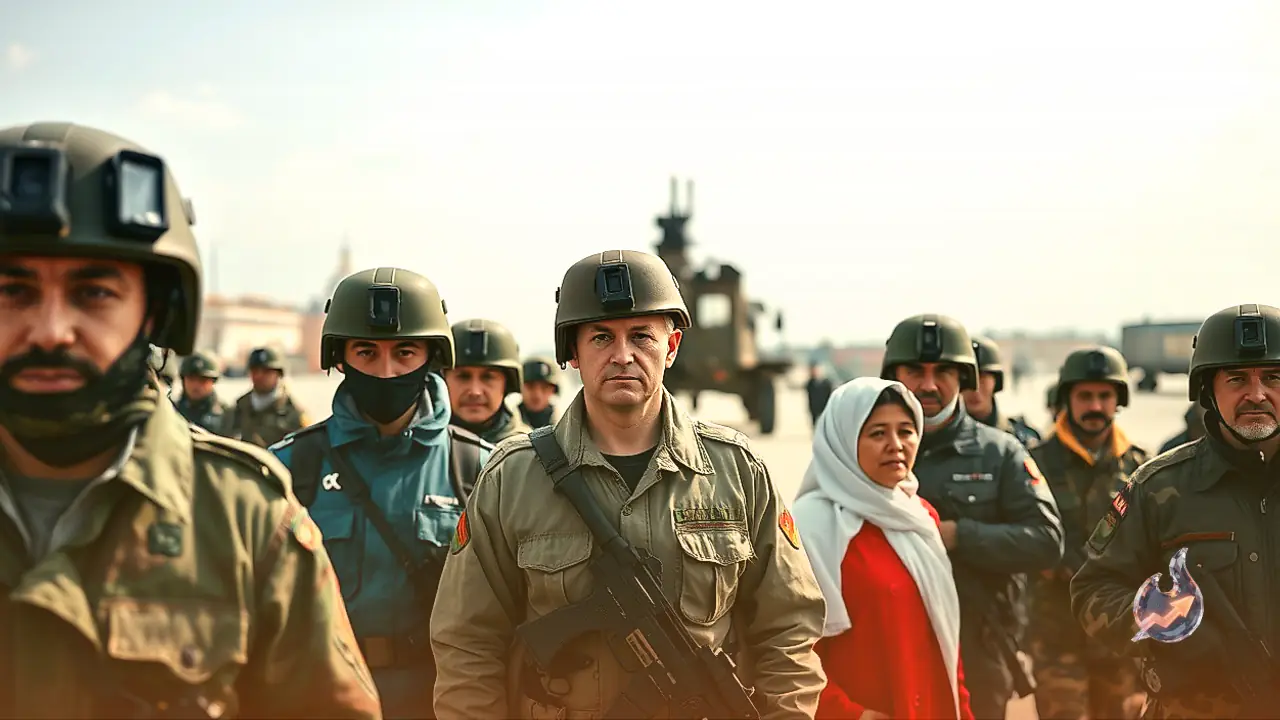
Israel's Defence Minister Israel Katz subsequently characterized the occurrence as an attempted terror incident. Faced with an unresponsive airliner, Israel enacted its established hijack protocol, closed its national airspace, activated a specialized crisis command centre, and scrambled fighter jets to intercept the flight. Ground officials were unaware at that moment of the heroic resistance being put up by Captain Smit Machchhar inside the cockpit. Under the country's national security directives, had the aircraft been definitively classified as a rogue flight continuing toward domestic territory without communication, military authorities had the procedural clearance to consider shooting it down.
The Multi-Step Procedure Before a Shoot-Down Authorization
The decision to destroy a commercial airliner filled with passengers is governed by rigorous operational thresholds. Israel maintains a structured protocol tailored to mitigate the risk of an aircraft being weaponized, requiring multiple layers of verification before any lethal action can be contemplated.
The procedure commences with systematic attempts by air traffic management and military radar stations to open two-way communication with the cockpit. If those efforts fail completely, air force interceptors are scrambled to make visual contact. The fighter pilots fly alongside the commercial jet to observe the flight deck and cabin directly, looking for physical signs of panic, violence, or unauthorized persons at the controls.
The observations made by the fighter pilots are relayed immediately to the central military operations centre. If visual inspection confirms hostile takeover and an imminent threat to life on the ground, the escalation reaches the highest level of government. Under the operational framework, only the Israeli Prime Minister possesses the authority to sanction the shoot-down of a passenger aircraft. The operational philosophy rests on the calculation that terminating a compromised flight may be necessary if it is heading toward a densely populated urban area, thereby averting an even greater catastrophe.
Historical Precedents and Hijack Engagement Protocols
To date, no commercial airliner has ever been shot down by military forces purely on the confirmed grounds of an ongoing hijacking. However, the September 11 terrorist attacks in the United States completely transformed how modern defence establishments assess rogue passenger flights. Prior to that date, hijackings were viewed predominantly as hostage situations intended for political leverage or ransom demands. Post-9/11 doctrine recognizes that a passenger jet can function as an instrument of mass destruction.
Following that paradigm shift, countries around the world overhauled their airspace interception regulations and command chains. While several civilian airliners have tragically been shot down throughout modern history, those instances were almost entirely the result of radar misidentifications, wartime intelligence blunders, or air defence errors rather than deliberate decisions to counter an active hijacking. While Israel has long maintained specialized procedures for responding to weaponized aircraft, the actual deployment of lethal force against an airliner remains restricted by extreme legal and tactical hurdles.
Diplomatic Stakes and Threat Assessment Realities
The flydubai incident also illustrates the perilous geopolitical and diplomatic consequences of air defence decisions. Captain Smit Machchhar was an Indian national, steering a flight carrying mostly Israeli citizens through international and regional airspace. Had the worst-case scenario materialized and the aircraft been destroyed by Israeli fire, the diplomatic fallout between New Delhi and Tel Aviv would have been immense.
In such an event, Indian authorities would have demanded an exhaustive, transparent inquiry into the intelligence assessment and command-line choices that led to the strike. Israel would have framed its response around territorial defence and the imperative to stop a suspected airborne terror assault. However, the legitimacy of that defence would hinge on whether there was irrefutable proof that the aircraft posed an imminent threat. The tragedy would have been magnified by the subsequent discovery that the Indian captain had been fighting valiantly to save the very people on board. Ultimately, Captain Machchhar and the crew regained control, and the aircraft was safely diverted to Saudi Arabia, averting both human tragedy and diplomatic catastrophe.
India's Legal Framework for In-Flight Emergencies
Had a comparable airspace dilemma developed over or near Indian territory, India's security apparatus would have operated under its own codified framework. The governing legal structure in the country is the Anti-Hijacking Act, 2016, complemented by the Aircraft (Security) Rules and civil aviation security guidelines formulated by the Bureau of Civil Aviation Security.
Under Indian regulations, a reported hijacking or sudden loss of cockpit communication does not automatically trigger lethal military engagement. The overarching objective remains the preservation of passenger life and the prevention of collateral damage on the ground. Interception mechanisms are designed to verify the aircraft's status, guide it to a secure landing location, and de-escalate the danger whenever feasible. The decision to employ extreme force against any rogue aircraft is an extraordinary measure reserved solely for verified, catastrophic threats where all other avenues of communication and intervention have failed.