



















The Himachal Pradesh state government has officially implemented a new regulatory policy allowing controlled cannabis cultivation for medicinal and industrial applications. Sharing details during a press briefing in Kullu, Kullu MLA Sundar Singh Thakur outlined the regulatory framework designed to boost the rural economy, generate local employment, and create a domestic supply chain for the pharmaceutical industry. The policy is based on comprehensive recommendations from a multi-party legislative panel that focused heavily on strict monitoring and security protocols.
Cross-Party Support and Pharmaceutical Applications
The panel constituted to study cannabis cultivation received unanimous support across party lines. Senior Bharatiya Janata Party (BJP) MLAs, including Dr. Janak Raj, Dr. Hans Raj, Surender Shourie, and Purna Chand Thakur, backed the commercial farming proposal. Highlighting the therapeutic potential, MLA Sundar Singh Thakur stated that active compounds derived from cannabis are vital for manufacturing critical medicines used in treating serious conditions such as Alzheimer's, cancer, and various types of tumors. India currently relies heavily on overseas imports for these treatments. With major domestic pharmaceutical companies planning to establish specialized processing facilities, localized manufacturing will help significantly reduce medicine prices and improve healthcare accessibility.
Industrial Uses in Textiles, Cosmetics, and Rural Revival
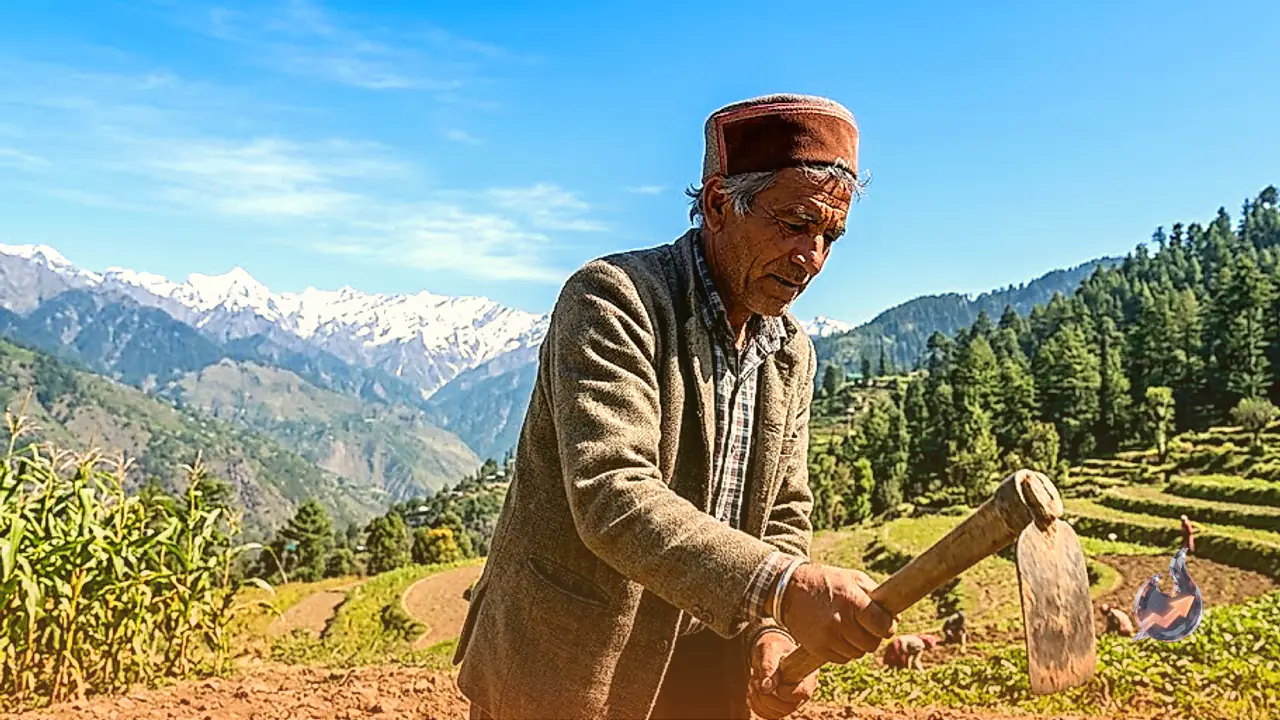
Beyond pharmaceutical manufacturing, the harvested crop will support a wide range of commercial applications. Natural fibers extracted from cannabis plants will be utilized to manufacture skincare and cosmetic items, alongside traditional handloom products. Planned derivative goods include durable ropes, specialized fabrics, footwear, and traditional shawls. State officials anticipate that integrating these raw materials into local cottage industries will directly uplift farmers and artisans in rural belts, strengthening household incomes and fostering regional economic self-reliance.
Licensing Structure, Fee, and Enclosed Cultivation Mandates
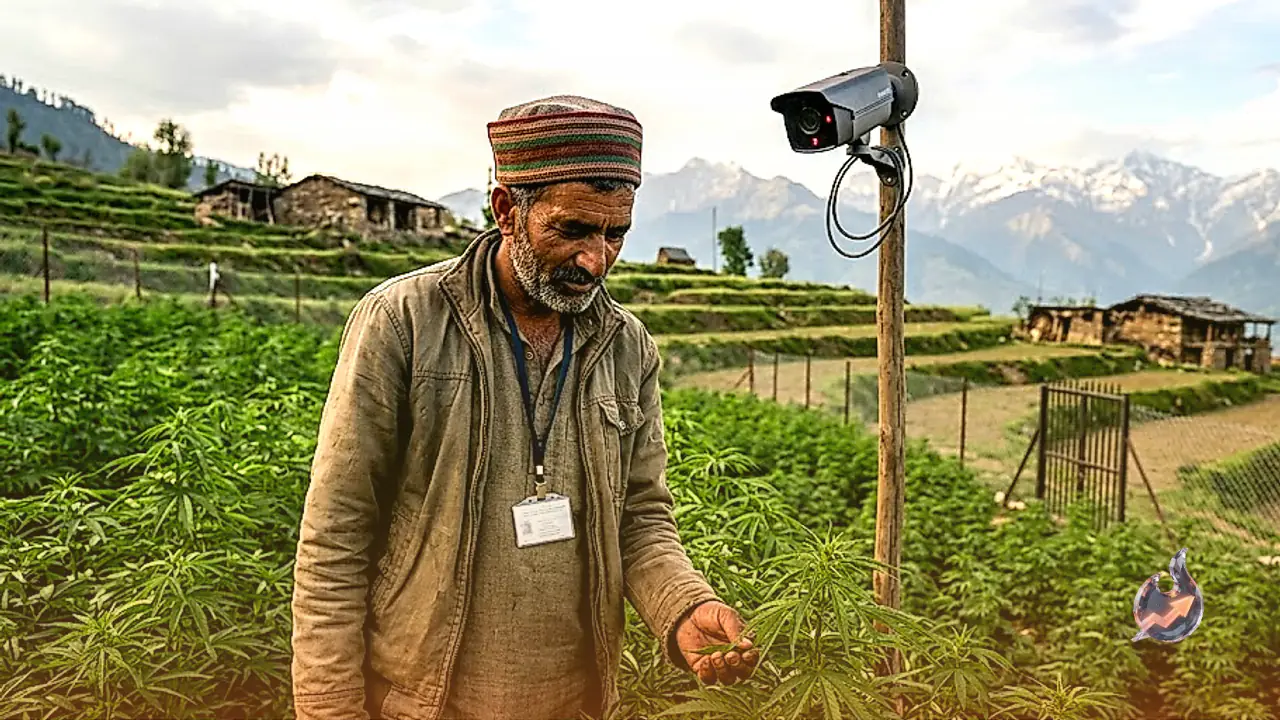
To prevent illegal diversion, the state government has instituted stringent operational guidelines. Farmers seeking authorization must pay a fee of Rs 1,000 per bigha. Cultivation licenses will be issued exclusively by the Agriculture Department following mandatory joint clearances from both the Agriculture and Excise departments. Each license will remain valid for a duration of 1 year, subject to annual renewal based on compliance reviews. Open-field farming is strictly prohibited; all cultivation must take place within securely fenced plots or enclosed polyhouses.
Digital Surveillance, Warehouse Controls, and Legal Penalties
Every approved cultivation site will undergo compulsory geo-tagging and must be equipped with continuous CCTV surveillance. Polyhouse structures are mandated to feature a single dedicated entry point alongside a separate designated exit, with daily visitor logs strictly maintained by operators. Post-harvest procedures are equally regulated. Harvested produce can only be stored in government-approved, licensed warehouses that are fitted with 24/7 CCTV cameras. Furthermore, commercial transactions or sales of harvested material require prior explicit authorization from designated government authorities. Any violation of these established norms will result in immediate cancellation of the operator's license and severe prosecution under the NDPS Act.