




















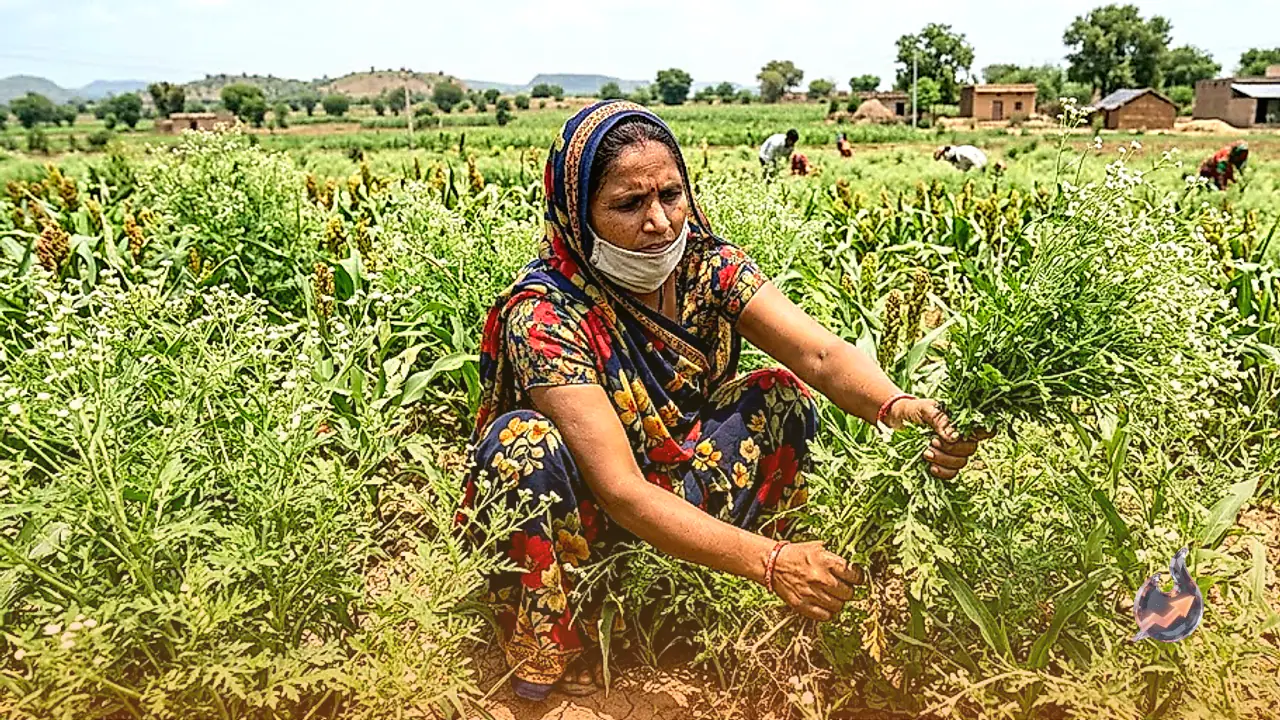

An invasive weed known locally as carrot grass, Chatak Chandani, or Safed Topi is spreading rapidly across agricultural fields, vacant plots, and roadsides in Bhilwara. The aggressive weed is severely impacting crop production while posing noticeable health risks to both livestock and human residents in the area.
Arrival from the United States in 1955
This non-native weed entered India in 1955 alongside wheat shipments imported from the United States. Since its initial introduction, the weed has expanded across vast swathes of the country. Agricultural records show that it currently infests approximately 3.5 crore hectares of land nationwide.
Rapid Seed Dispersal and Short Life Cycle
The rapid proliferation of carrot grass is largely driven by its high reproductive capacity and brief life cycle. A single plant completes its life cycle within three to four months but can germinate continuously throughout the entire year. Each individual plant is capable of producing between 5 thousand and 25 thousand small seeds. These light seeds are easily carried across long distances by wind gusts and surface runoff, enabling the weed to quickly colonize adjacent fields and uncultivated lands.
Crop Yield Losses Reaching 40 Percent
Carrot grass exerts a severe biochemical toll on surrounding vegetation by releasing a toxic compound known as sesquiterpene lactone. This toxic chemical inhibits the growth and development of neighboring crop plants. In fields where infestation levels are particularly high, agricultural yields can decline by as much as 40 percent, creating substantial financial strain for local farmers.
Health Hazards for Humans and Livestock
Exposure to carrot grass presents health hazards for both people and domestic animals. Continuous contact with the plant can trigger skin allergies, fever, and respiratory ailments such as asthma in sensitive individuals. When livestock consume the weed, it causes internal health complications and frequently imparts a bitter taste to the milk produced by dairy cows and buffaloes.
Control Strategies and Biological Interventions
To prevent the further spread of carrot grass, agricultural authorities recommend uprooting the weed before it reaches the flowering stage. Workers and farmers handling the plant should wear protective gloves and face masks to prevent dermal contact and inhalation of toxic particles. Removed plants must be disposed of safely to ensure that mature seeds are not reintroduced into the soil. Furthermore, biological control methods utilizing the Mexican beetle can be deployed in heavily affected zones. These beneficial insects feed on the leaves of carrot grass, suppressing its growth naturally without harming the surrounding environment.