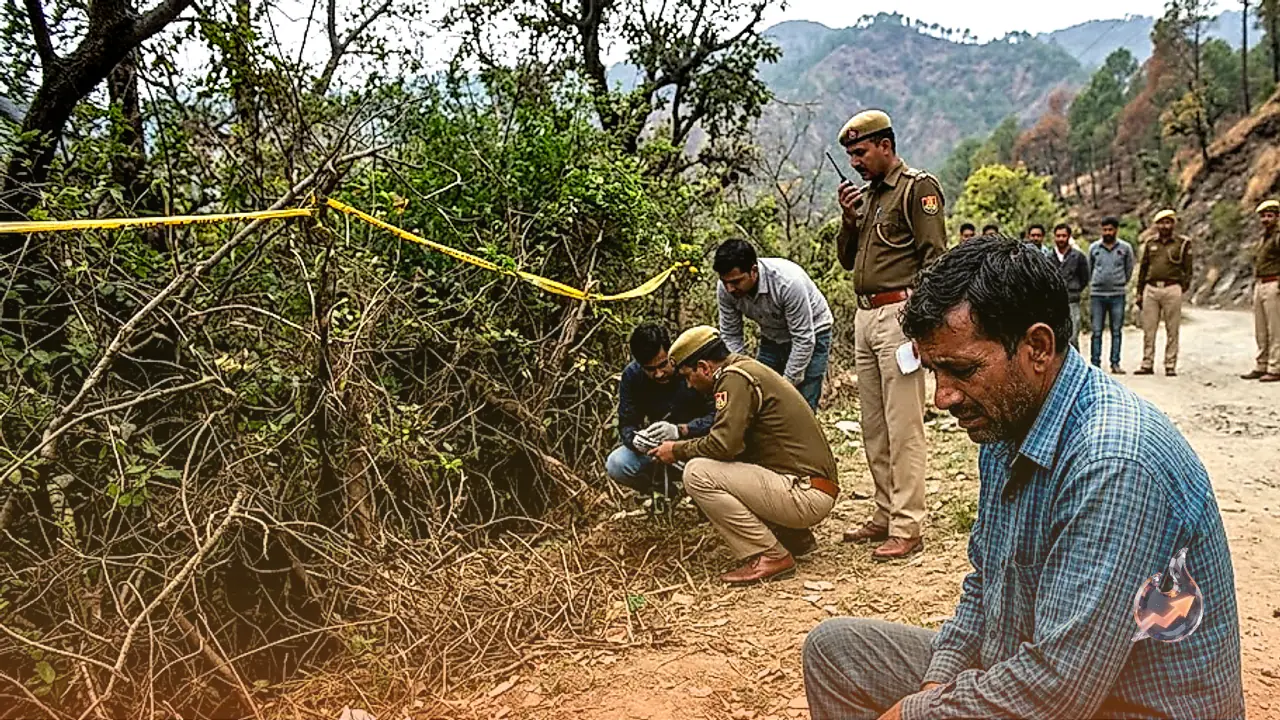
























A long-standing debate over land distribution in the high-altitude tribal zones of Himachal Pradesh has escalated into a widespread public agitation. Residents across the border districts of Kinnaur and Lahaul-Spiti have launched organized demonstrations demanding the immediate restoration of their traditional Nautor land allotment rights. Spearheaded by the ruling Congress under the banner of Nautor Adhikar Yatra, the campaign seeks to secure legal sanction for distributing designated government land parcels to eligible families for agricultural and horticultural expansion.
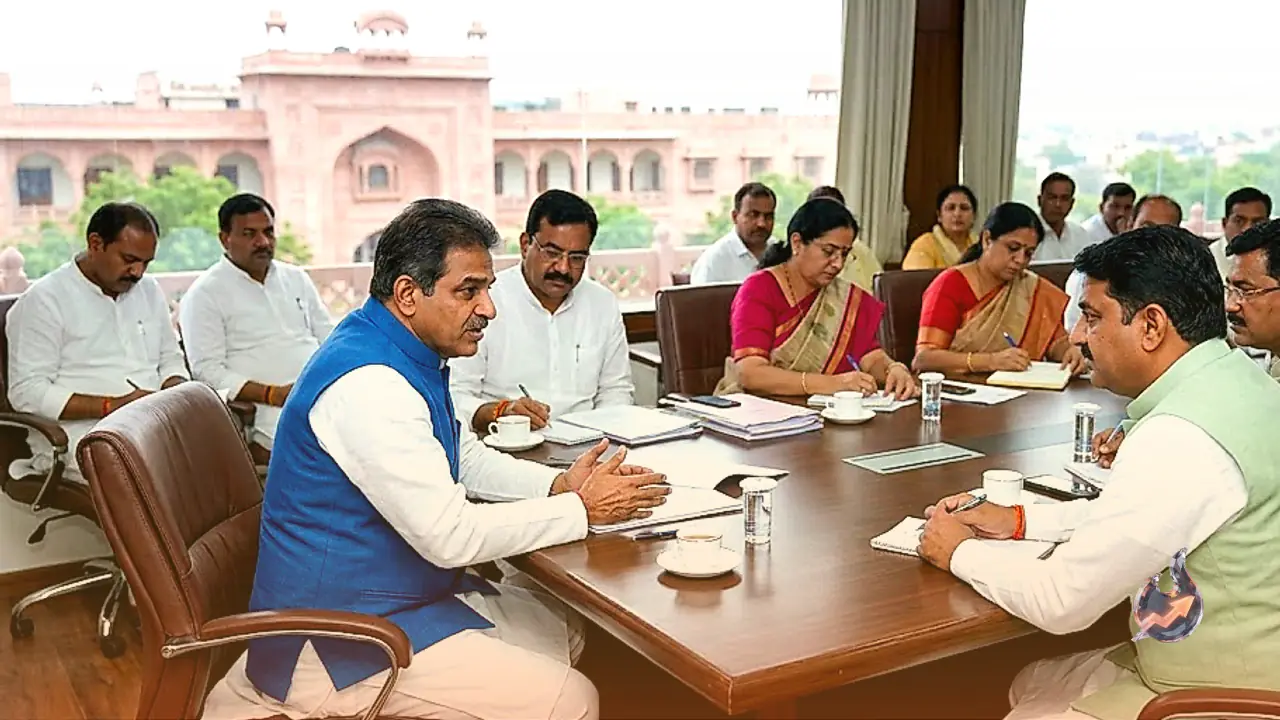
Jagat Singh Negi, the state minister holding the portfolios of Revenue, Horticulture, Tribal Development, and Public Grievances Redressal, stated that the patience of the tribal communities has completely run out. He explained that the opening phase of the movement has begun simultaneously in Kinnaur and Lahaul-Spiti, with plans underway to mobilize other tribal pockets across the state. In the Spiti valley, the local demonstration is being led by MLA Anuradha Rana, drawing significant grassroots participation from remote mountain settlements.
Three-Year Stalemate Over the Cabinet Resolution
Detailing the official timeline, Jagat Singh Negi pointed out that the demand has been caught in administrative limbo for several years. He highlighted that nearly 3 years ago, the state cabinet had formally drafted and passed a unanimous resolution aimed at restoring Nautor land rights, subsequently forwarding the proposal to the governor for statutory approval. However, that critical clearance remains withheld to date.
The minister explained that the state administration has repeatedly pursued the matter with the Raj Bhavan. Since the submission of the cabinet resolution, approximately 10 separate meetings have taken place with the occupant of the gubernatorial office. Among these engagements, 8 meetings were conducted with former Governor Shiv Pratap Shukla, while 2 meetings were held with current Governor Kavinder Gupta. According to Negi, despite persistent advocacy, the discussions have produced nothing beyond repetitive verbal assurances.
Allegations of Political Interference and an Ultimatum
Addressing the prolonged delay, Jagat Singh Negi placed direct responsibility on the Bharatiya Janata Party, suggesting deliberate political obstruction. He alleged that on several occasions following ministerial visits to the Raj Bhavan, leaders from the opposition party also met the governor, presumably mounting counter-pressure to stall the proposal. Negi remarked that narrow political interests seem to be driving the resistance to tribal welfare measures, speculating that the constitutional head of the state might also be facing outside pressure.
The minister signaled that the government and tribal representatives will approach the governor for one final meeting to seek an immediate resolution. If that concluding dialogue fails to yield results, the campaign will transition into an aggressive, decisive demonstration. Negi warned that the stir, which originated in the distant mountain valleys, will soon be brought directly to the capital city of Shimla, setting the stage for a major political confrontation outside the Raj Bhavan.
Land Scarcity and the Essential Purpose of Nautor Rules
The institutional framework of Nautor is fundamentally linked to the unique geographic challenges of Himachal Pradesh. Under this established scheme, state-owned land is legally allotted to eligible, landless, or marginal rural residents to enable farming, fruit cultivation, and basic economic self-sufficiency. In rugged alpine districts like Kinnaur and Lahaul-Spiti, private agricultural holdings are exceedingly small and strictly limited by topography.
For decades, local communities have argued that fragmented family holdings are insufficient to support upcoming generations, severely curtailing employment prospects in traditional agriculture and horticulture. However, the implementation of Nautor frequently intersects with forest land. Under national forest conservation statutes and environmental guidelines, diverting or sanctioning government plots that fall under statutory forest definitions requires specialized approvals, resulting in complex legal and regulatory deadlocks.
Precedents and the Constitutional Scope of the Fifth Schedule
To support his stance, Jagat Singh Negi cited precedents from the 2014 to 2017 governing period. He recalled that during that phase of the Congress administration, special dispensations obtained under federal forest conservation regulations allowed eligible tribal beneficiaries to receive Nautor land grants. However, following a change of government in 2017, the entire allotment process was halted. Upon returning to power in 2022, the Congress cabinet moved swiftly to revive these entitlements by adopting a fresh resolution.
In making a legal case for prompt gubernatorial intervention, Negi invoked the provisions of the Fifth Schedule of the Constitution of India. He underscored that the governor holds expansive discretionary powers within designated Schedule 5 areas to protect and advance the welfare of indigenous tribal populations. These constitutional safeguards empower the governor to adapt or restrict the application of any enactment passed by Parliament or the state legislature to suit tribal requirements. Negi argued that these specific constitutional prerogatives should be invoked to approve the Nautor file without further delay, transforming the matter from a routine land dispute into a significant question of constitutional governance and statutory authority.