























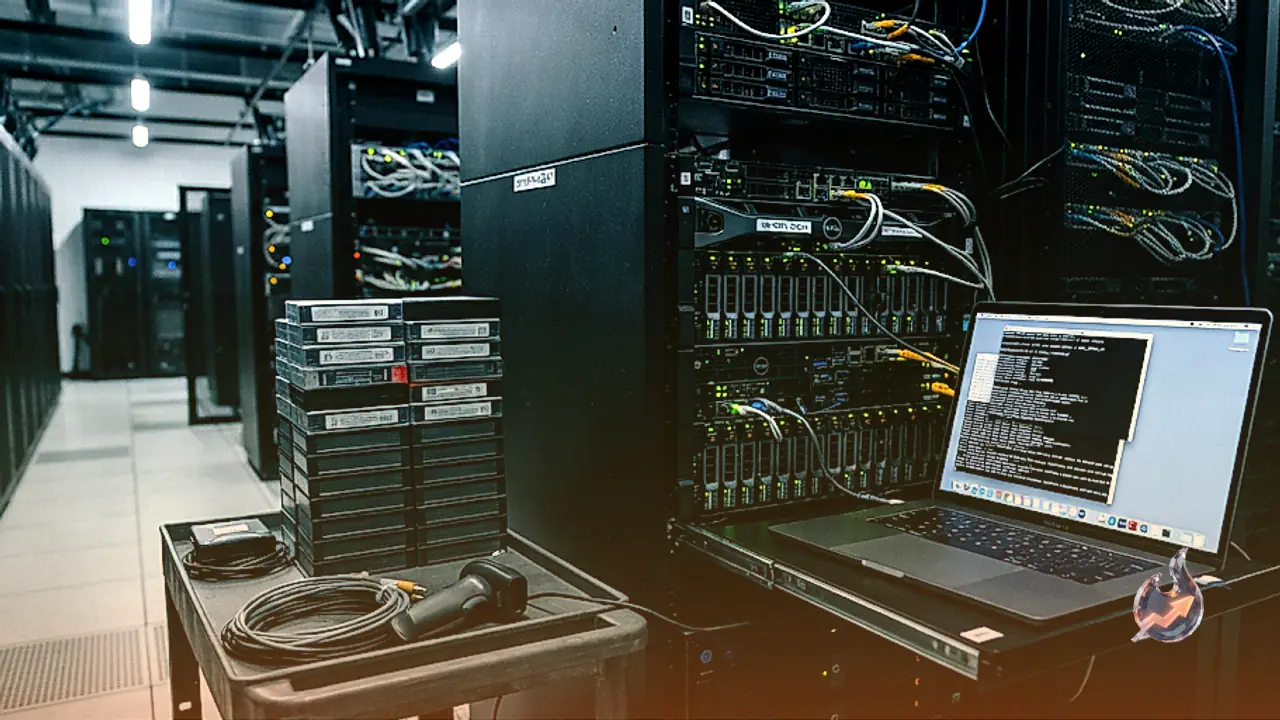

Artificial intelligence companies are increasingly turning their attention toward private workspaces, offering large sums to acquire everyday work files, emails, and call transcripts. While public training data becomes exhausted, the race to secure proprietary workflows has turned into a major behind-the-scenes industry affecting businesses and employees alike.
The Rapid Growth of Data Acquisition Startups
Firms like Handshake, Micro1, and Mercor have emerged as key players in this digital gold rush, acquiring databases and documents to fuel large language models. Mercor CEO Brendan Foody noted that traditional methods of hiring experts to simulate work failed to capture the genuine complexity of operating businesses, driving the intense demand for real operational data. Similarly, Micro1 CEO Ali Ansari pointed out that the massive investments poured into data infrastructure highlight how critical private training material has become for the industry.
Corporate Bankruptcies and Employee Privacy Debates
The aggressive pursuit of fresh data hit public awareness when the financially struggling Spirit Airlines put its digital assets on the market, including millions of internal messages and SharePoint files. A competitive bidding process involving tech giants and startups eventually stalled after a flight attendants union raised legal objections regarding the inclusion of private employee information in the sale. Critics argue that unstructured data such as emails and team messages often contain personal details that standard anonymization techniques fail to completely filter out.
Broader Implications for the Future of Work
Industry observers have warned that governance standards are struggling to keep pace with the rapid expansion of private data acquisition. Furthermore, labor advocates point out an underlying irony in the process, as workers’ own institutional knowledge is harvested to build systems ultimately designed to automate and streamline human labor out of the workplace.