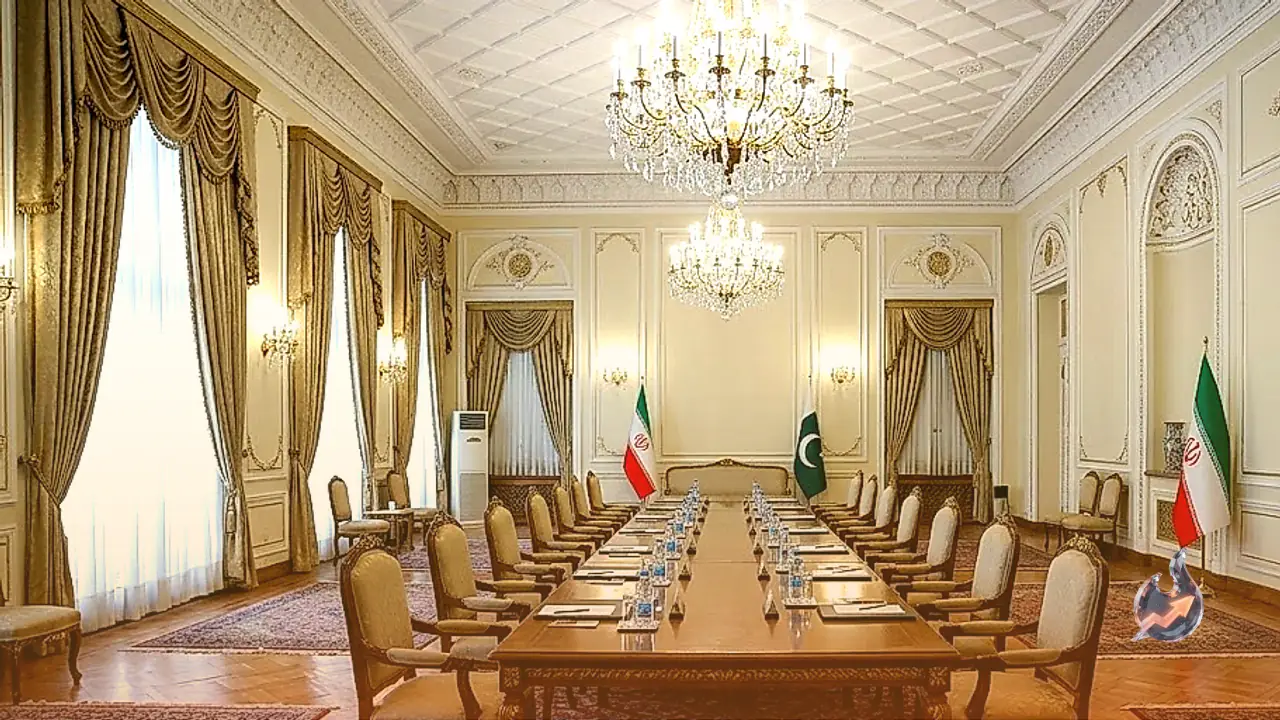





















Diplomatic and commercial tensions between Pakistan and Iran have escalated sharply amid mounting regional pressures and shifting geopolitical alignments. Once positioned as a willing mediator in Middle Eastern affairs, Islamabad now finds itself entangled in a severe economic and border crisis. Complicated further by its evolving stance involving Saudi Arabia and regional factions, Pakistan's strategic maneuvers have severely backfired, directly disrupting cross-border commerce and triggering widespread domestic hardship.
Soaring LPG Prices And Domestic Strain
The immediate fallout of the trade friction has hit the energy sector hardest. Following the abrupt halt of liquefied petroleum gas shipments from Iran, Pakistani households are grappling with acute shortages and unprecedented price hikes. Within a matter of days, the cost of a twelve-kilogram LPG cylinder surged from four thousand five hundred Pakistani rupees to approximately seven thousand Pakistani rupees. Local traders warn that if supply channels are not restored swiftly, prices will climb even higher, placing an unbearable burden on everyday consumers who rely heavily on imported energy.
Stranded Freight And Agricultural Losses
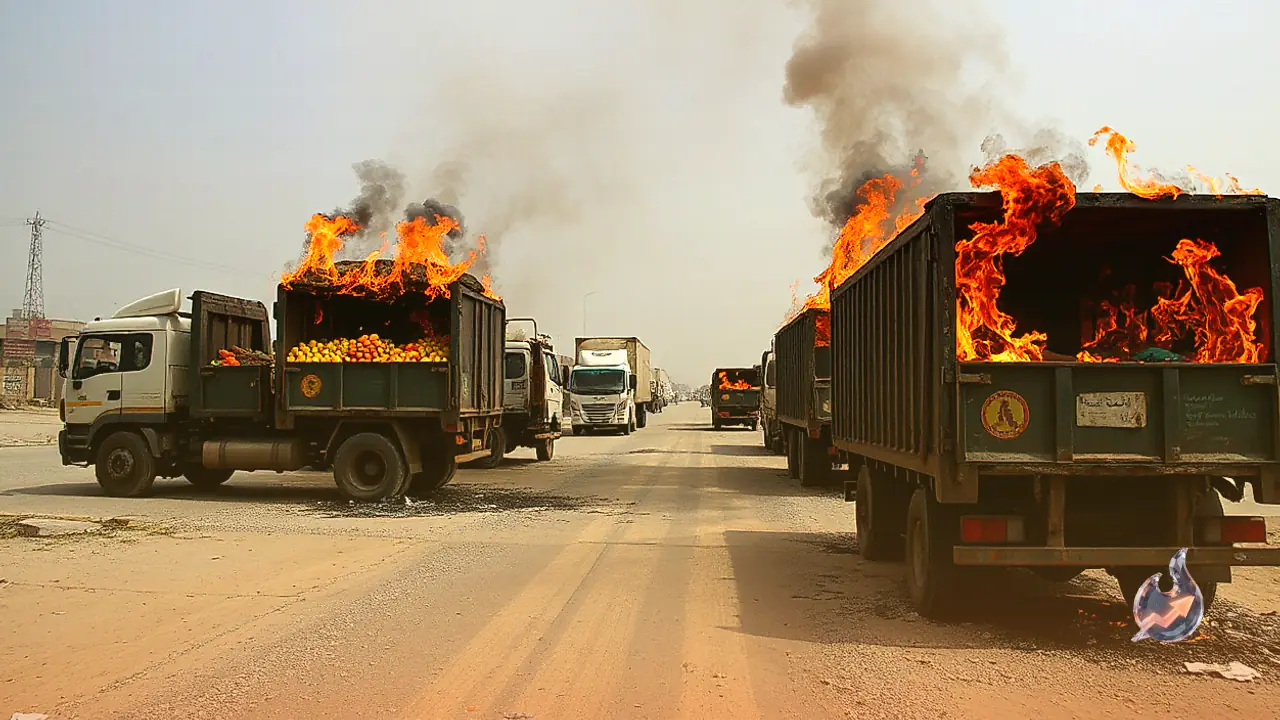
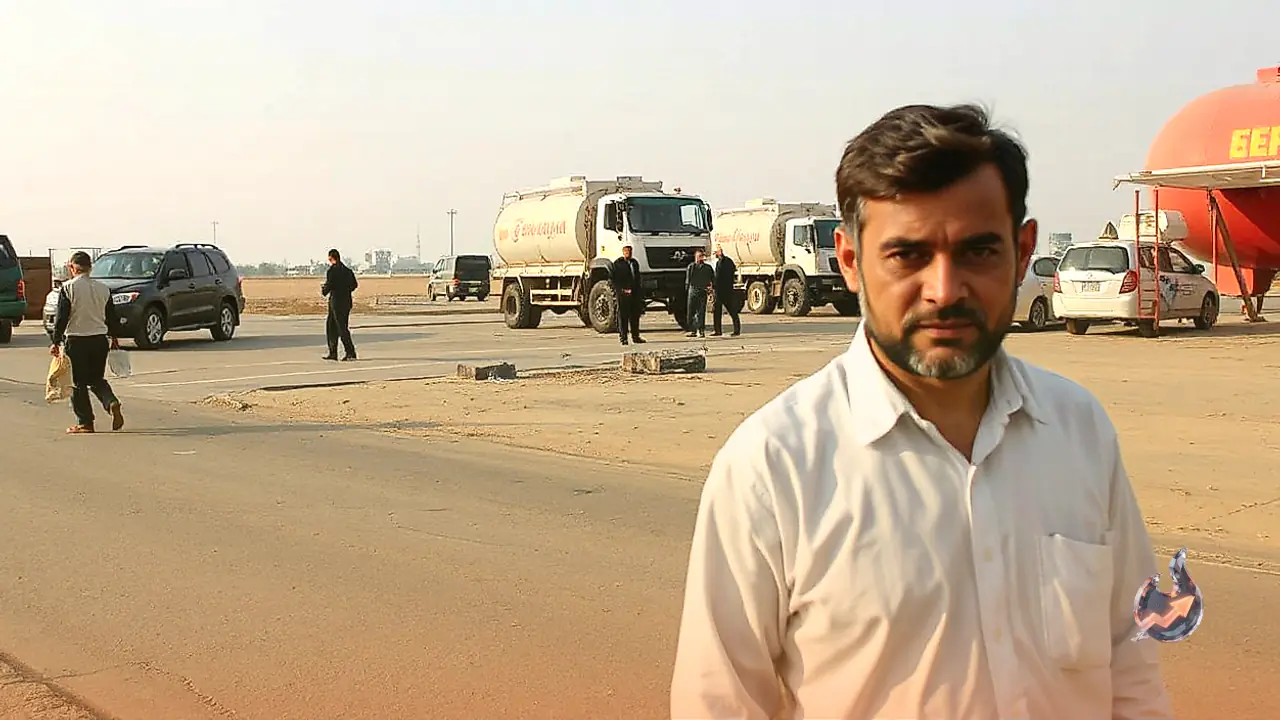
Energy imports from Iran form a critical component of Pakistan's daily consumption. Reports indicate that Pakistan routinely imports around seven thousand tonnes of LPG from its western neighbor daily. With the border crossings sealed, hundreds of gas-laden trucks remain stranded, creating severe supply chain bottlenecks inside the domestic market. Beyond energy supplies, the trade paralysis has crippled agricultural exports. Over one thousand containers filled with Pakistani potatoes, bananas, and rice were left stranded at the frontier. Although perishable goods eventually secured renewed export clearance through the Gabd-Rimdan route, LPG imports remain firmly blocked.
Timeline Of The Border Shutdown
The current crisis traces back to October 17, when authorities abruptly halted trade activities across the Gabd-Rimdan and Taftan border corridors connecting the two nations. Pakistani officials defended the shutdown by citing the urgent need to tighten security arrangements, curb illegal smuggling, and improve overall border management. In contrast, Iranian counterparts pointed toward technical difficulties and precautionary measures. The diverging explanations from both sides underscored underlying friction, as the sweeping restrictions extended far beyond basic security protocols into vital economic exchanges.
Geopolitical Pressure And Washington Factor
Speculation surrounding the involvement of the United States has added another layer of complexity to the standoff. Washington has persistently maintained heavy economic sanctions against Tehran to isolate its economy. Islamabad, meanwhile, faces a delicate balancing act as it attempts to preserve strategic ties with the United States while safeguarding essential trade channels with its neighbor. On October 23, the Pakistani Foreign Ministry maintained that the nation adheres strictly to applicable international restrictions, though officials stopped short of openly admitting that the border closure was executed under direct American pressure.