






















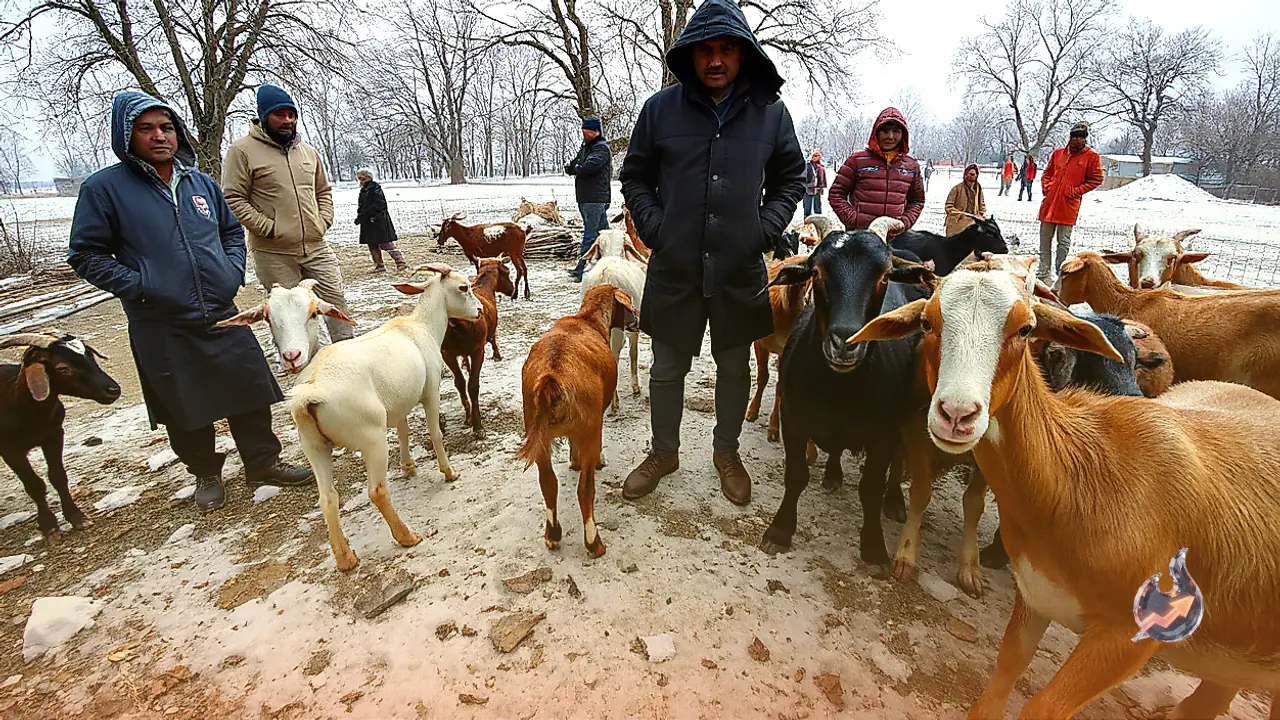

With the arrival of winter, livestock owners need to pay special attention to the health and well-being of their goats. Sudden shifts in ambient temperature and minor oversights in animal husbandry can directly impact their physical condition, particularly exposing male goats to a condition known as anuria, or the stoppage of urination. This ailment leaves the animal restless and prone to severe abdominal discomfort. Addressing this issue, Dr. Ajit Sharan, a senior veterinary doctor at the Chas Model Veterinary Hospital in Bokaro, has shared crucial insights regarding the symptoms, treatments, and preventive measures associated with anuria.
Key symptoms and identification of anuria
Dr. Ajit Sharan noted that when a goat suffers from urinary blockage, it appears visibly distressed and restless. The animal repeatedly stands up and sits down, straining intensely to urinate. Additional signs include abdominal pain, frequent stretching of the hind legs, standing in an unnatural posture, and a noticeable drop in feed intake. In severe cases, urination may stop completely. A primary catalyst for this condition is the presence of stones or calculi in the urinary tract, though other factors can also contribute, which can only be accurately diagnosed following an examination by a qualified veterinarian.
Why this risk escalates during winter
According to Dr. Ajit Sharan, meticulous management of livestock housing is imperative during the winter months. Prolonged contact with cold and damp flooring causes significant discomfort to goats. When the urinary region of the goat comes into prolonged contact with frozen ground, the resulting temperature effect can infect the urethra, ultimately triggering severe difficulty during urination.
Seeking immediate medical attention upon spotting signs
If a goat shows signs of distress while attempting to urinate or fails to pass urine despite repeated straining, owners must immediately consult a nearby veterinarian. Complete cessation of urination constitutes a critical medical emergency requiring prompt intervention. Owners should avoid administering unverified home remedies or over-the-counter medications without professional guidance. While owners may choose to apply warm compresses to the lower abdomen of the animal, consulting an expert beforehand is essential to prevent any dangerous delays in proper treatment.
Effective ways to protect goats in winter
Throughout the winter season, the flooring of the goat enclosure should be kept entirely dry, clean, and comfortable. Depending on requirements, jute sacks or other safe bedding materials can be utilized effectively. To shield the animals from biting cold drafts, enclosures should be structured to block direct chilly winds while maintaining adequate ventilation inside.
Furthermore, livestock must be protected from sudden fluctuations in temperature and provided with clean, fresh drinking water at all times. Diligent attention should be dedicated to the diet and overall maintenance of the goats. If any animal exhibits signs of urinary difficulty, restlessness, or abdominal pain, a veterinarian must be contacted without delay.