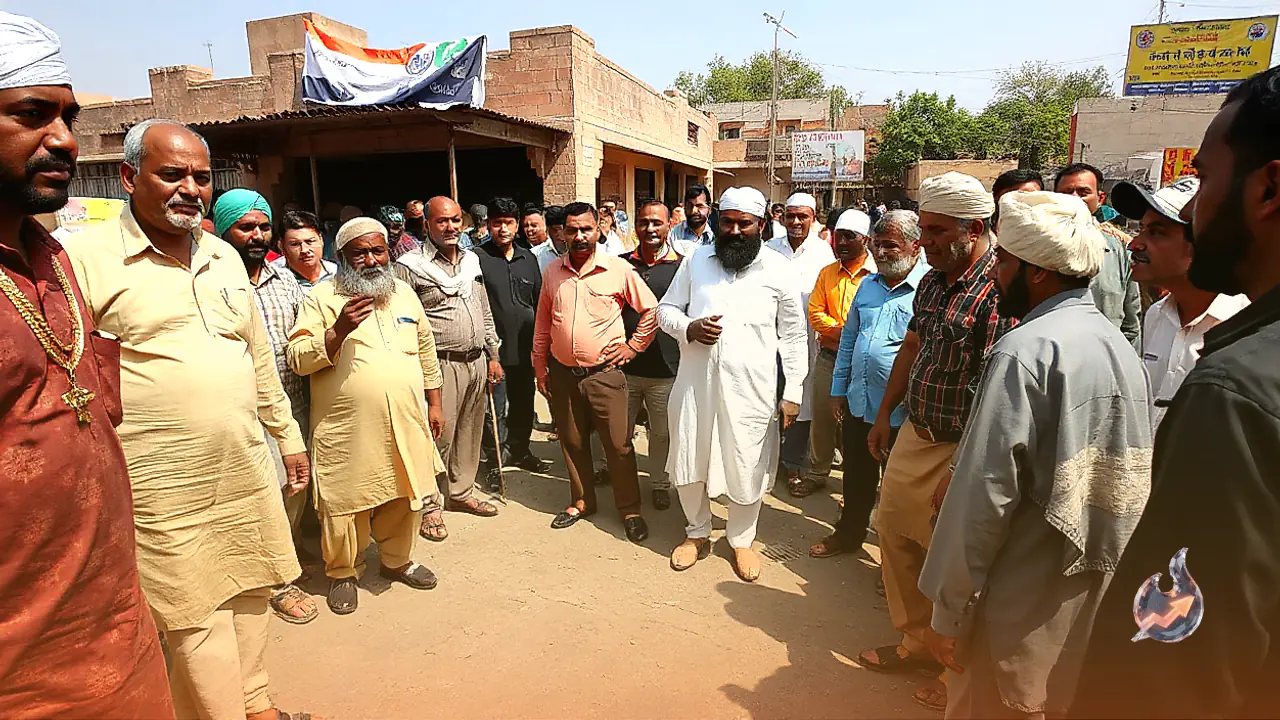

A domestic dispute between a couple and a remarkably calm husband who refuses to lose his temper have turned a Pakistani television serial into a major talking point across India. The drama 'Dar-e-Nijaat' and its lead character, Abu Bakr, are gaining massive viewership, though the trend is also drawing intense backlash.
Cancellations of Screenings and Industry Backlash
When a screening was organized at a café in Delhi, the turnout vastly exceeded the organizer's expectations. Another screening planned at a restaurant and a private theater in Bengaluru with a specific dress code had to be called off following mounting public opposition. Bengaluru Police Commissioner R Hitendra noted that organizers were asked to submit event details due to the potential for public disturbances.
At the same time, opposition is growing against the upcoming Netflix series 'Jo Bachay Hain Sang Samait Lo', featuring Pakistani actors. Organizations like the All India Cine Workers Association and the Federation of Western India Cine Employees have written formal letters to the Prime Minister urging a ban. Federation president BN Tiwari warned that members would halt work on Netflix productions if the series moves forward.
Government Restrictions and Security Concerns
Cultural and trade ties between India and Pakistan were suspended following the April 2025 terror attack in Pahalgam and subsequent military actions. The Indian government blocked Pakistani YouTube channels, restricted artists, and ordered the removal of all Pakistani films, web series, and audio content under directives issued by the Ministry of Information and Broadcasting in May 2025.
industry representatives argue that releasing such content violates government advisories. Critics have recalled historical terror attacks while demanding strict adherence to national security. Additionally, controversial social media posts by Pakistani actors regarding past military operations and old photographs involving figures linked to the Mumbai attacks have resurfaced online, fueling public anger.
Legal Framework and Alternative Viewing Methods
While the Ministry of Information and Broadcasting has reminded streaming platforms of the existing advisory against hosting Pakistani content, there is no specific standalone statute banning these programs. Instead, regulations are enforced through digital media ethics codes designed to protect national sovereignty and public order.
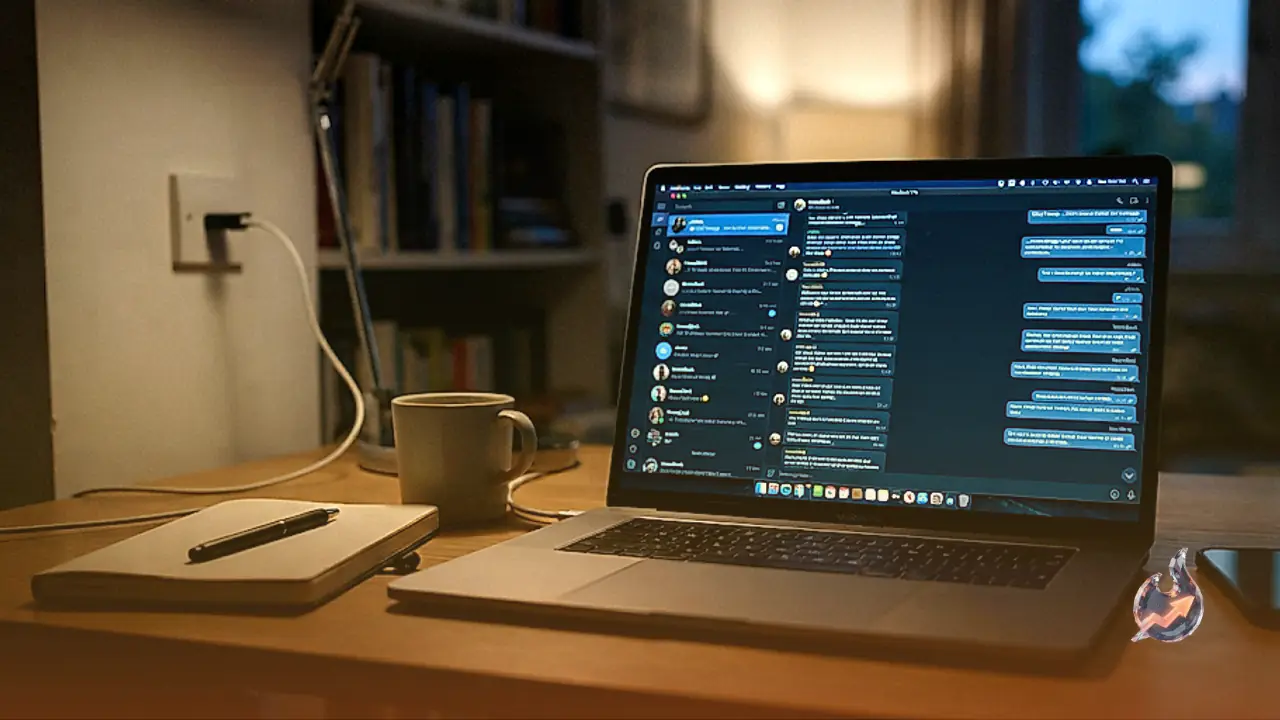
Despite these barriers, viewers continue to access the content using Virtual Private Networks to bypass geo-restrictions, with data showing a sharp rise in VPN searches in India. Users also upload episodes to alternative mirror channels on YouTube or utilize dedicated streaming applications launched by Pakistani networks that remain accessible.
Appeal and Cultural Connection
The popularity of Pakistani television programs in India dates back to early broadcasts in 2011 and subsequent channel launches. Observers point out several factors behind their enduring appeal, including concise storytelling that avoids prolonged domestic melodrama, relatable family values, and characters that break away from conventional stereotypes. The linguistic similarity and shared cultural nuances further enable audiences in India to connect with these narratives.