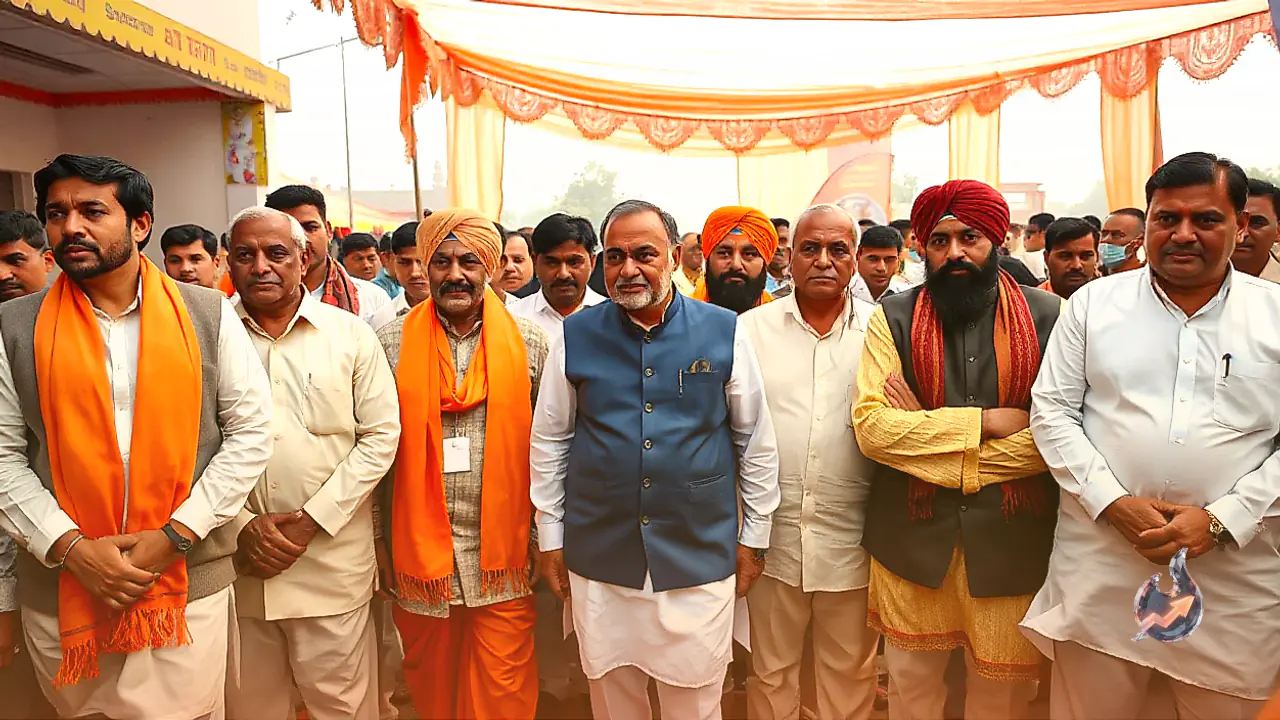


















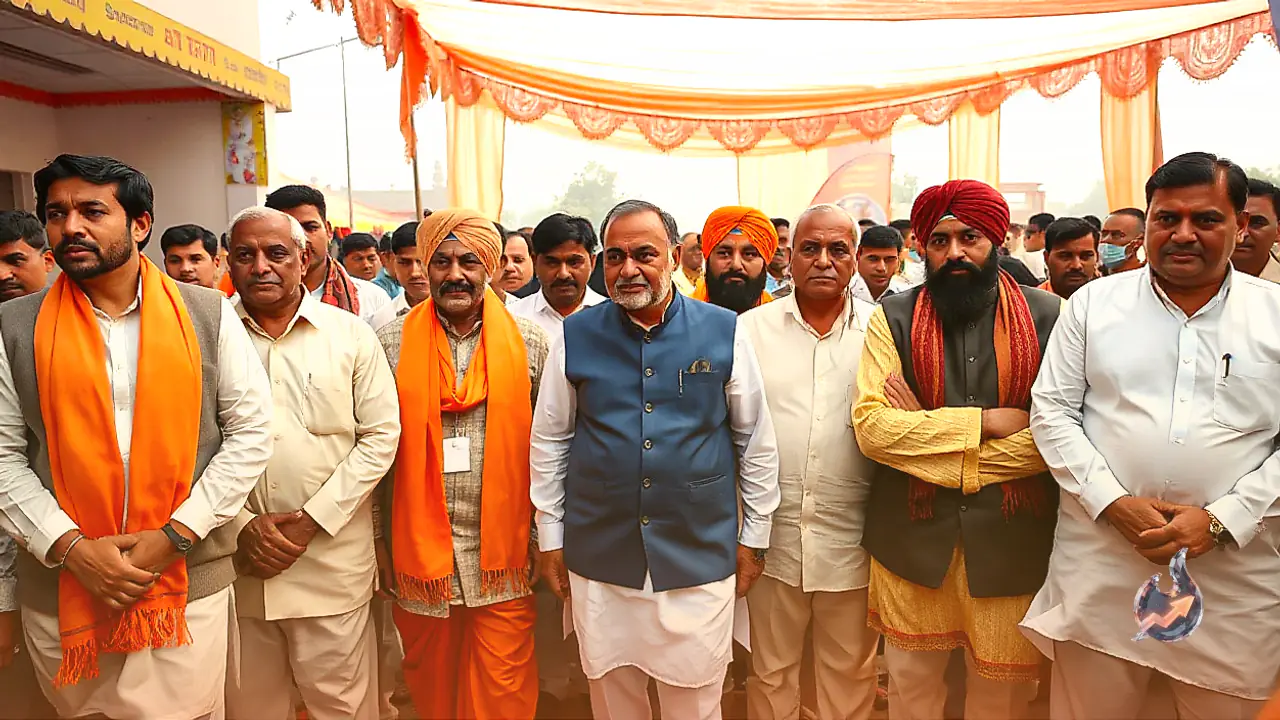

Senior functionaries of the Rashtriya Swayamsevak Sangh concluded a significant three-day strategy session in Indore, Madhya Pradesh, held between 2 and 4 November. The leadership deliberated on six core challenges shaping the contemporary socio-political terrain. The presence of BJP national general secretary (organisation) BL Santhosh alongside state-level organisational secretaries underlined that the ideological conclusions reached during these discussions carry direct operational significance for the governing party. The deliberations spanned generational engagement, electoral vulnerabilities in upcoming state polls, and national security concerns.
Setting Up Ground Countermeasures Against Online Narratives
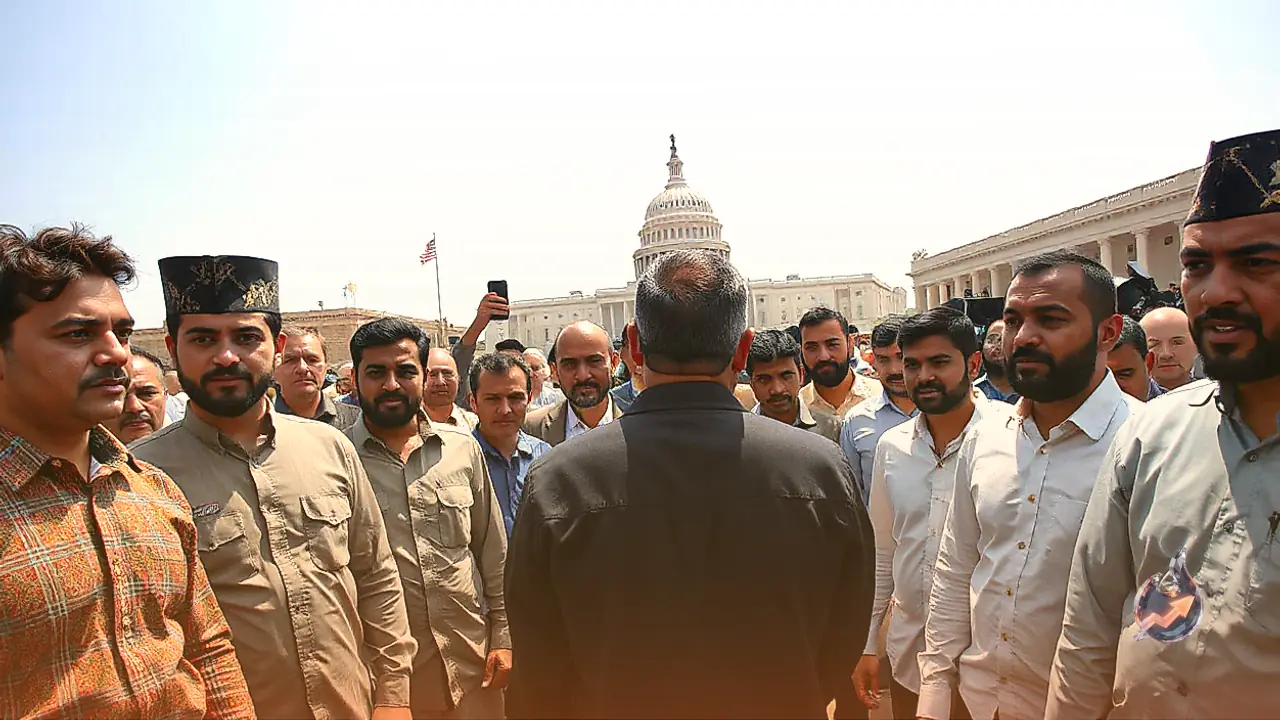
The assembly acknowledged that digital communication channels have transformed how mass dissent is manufactured and mobilised. The anti-government mobilisation spearheaded in Delhi by the 'Cockroach Janta Party' was cited as a prime demonstration of how non-traditional agitations can bypass conventional political playbooks. Addressing the perceived disorder of social media ecosystems and preventing ideological drift emerged as the foremost talking point of the gathering.
Field workers received clear instructions not to become overwhelmed by online rhetoric, nor to abandon digital spaces altogether. The directive emphasized assessing hostile online discourse carefully and taking corrective steps directly on the ground rather than merely arguing online. To streamline this oversight, internal discussions explored forming an independent surveillance group apart from the existing publicity wing, though its structural framework remains in the conceptual stage.
Cultivating Responsible Civic Action Among Gen Z Cohorts
Recognising the decisive role played by younger citizens in recent mass demonstrations, the leadership discussed bringing the demographic into a constructive framework. The proposed roadmap seeks to build a network of young citizens capable of challenging governance and voicing legitimate grievances without sliding into destructive disorder. The core vision allows youth to advocate for pressing concerns and question administrative decisions, provided their underlying motivation remains anchored in national progress and immune to external manipulation.
Addressing the delegates, Sarsanghchalak Mohan Bhagwat stressed that adversarial international networks are exploiting younger citizens to advance anti-national objectives, necessitating the cultivation of patriotic youth. He pointed out that organisation workers must actively mingle with young people, adopt their contemporary idiom, and understand their everyday aspirations.
Scrutinising Overseas Funding Streams Behind Demonstrations
The potential involvement of external finance in domestic protest movements formed the third agenda item. Domestic intelligence outfits are currently tracing financial conduits between foreign entities and recent domestic agitations. Official insiders indicated that investigators have assembled evidentiary material regarding specific demonstrations, which authorities plan to publish soon as a formal dossier.
Delegates debated actionable measures to choke illicit cross-border inflows. Key proposals included probing organisations reliant on foreign contributions, enacting more stringent statutory curbs, and comprehensively re-evaluating the stated agendas behind recent public agitations.
Backlash Over Higher Education Regulations Ahead of UP Polls
With assembly elections in Uttar Pradesh scheduled for February and March, the meet examined voter unease over proposed UGC regulations intended to eradicate caste bias in tertiary education. Although the Supreme Court has placed these guidelines under stay, regional friction persists. Organisational leadership expressed concern that discontent among traditional core voters could dent electoral prospects in the state.
The RSS had distanced itself from the regulatory notification prior to the Indore gathering. Internal deliberations concluded that the initial circular lacked balance and risked disrupting social cohesion, prompting calls for careful handling ahead of the ballots.
Prioritising Substance Over Mere Electoral Victory in Punjab
Turning to Punjab, where assembly elections are anticipated in February, the conclave reviewed an assessment based on six months of ground research. The report warned that standard regional playbooks, such as the strategy employed in West Bengal, cannot be applied to Punjab because of its distinct political and social milieu.
Operating under an ideological rival administration, the state confronts multifaceted challenges including illicit narcotics manufacturing, cross-border weapons smuggling, religious conversions, law and order deficits, and separatist sentiments. It was determined that the BJP will center its campaign on the drug menace, while grassroots volunteers will highlight policing and public safety issues. A participant confirmed that the objective this time is to force critical systemic crises into the political spotlight rather than focusing solely on winning seats.
Reconciliation Drive To Reconnect With Estranged Volunteers
The concluding priority centered on mending ties with long-time cadre who have grown alienated in recent times. The Sarsanghchalak urged field teams to reach out to veteran volunteers, solicit their counsel, and address any lingering grievances with empathy.
Internal discussions noted that disgruntled former workers were repeatedly co-opted to voice criticism against the organisation, particularly around the Ram Janmabhoomi matter. To neutralize such friction and rebuild institutional unity, a structured outreach drive will be rolled out to bring disaffected volunteers back into the fold.