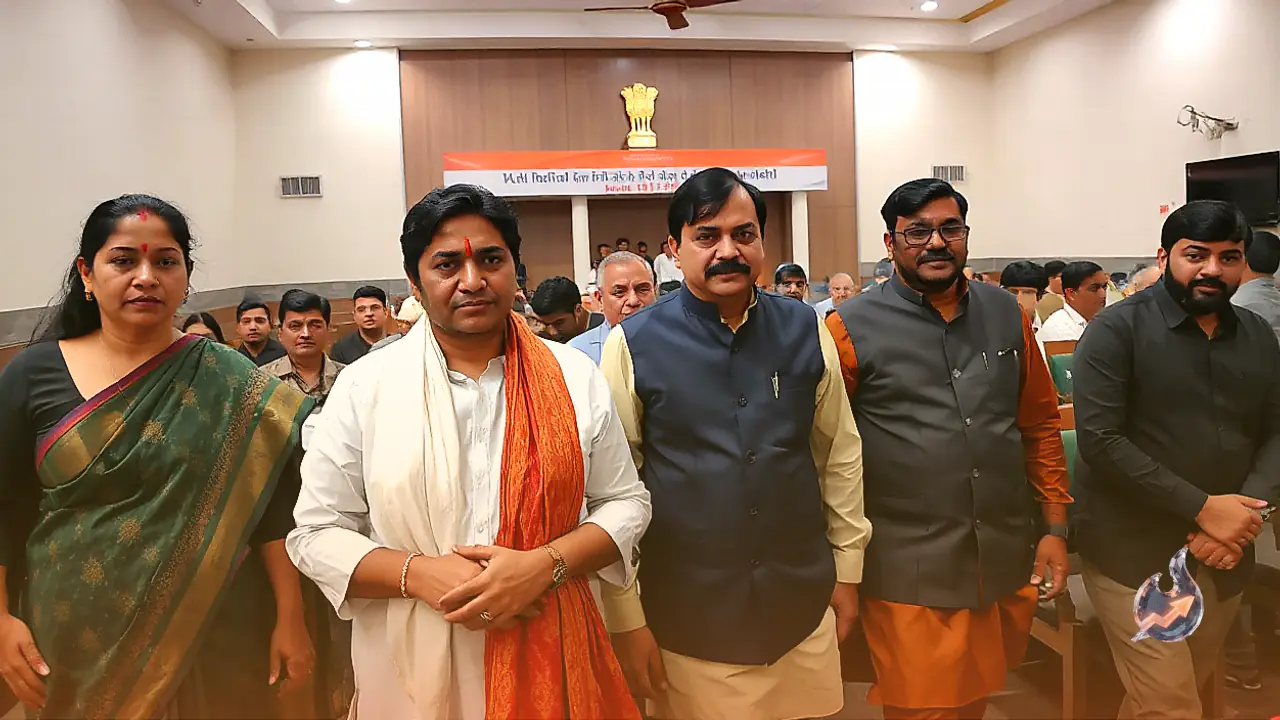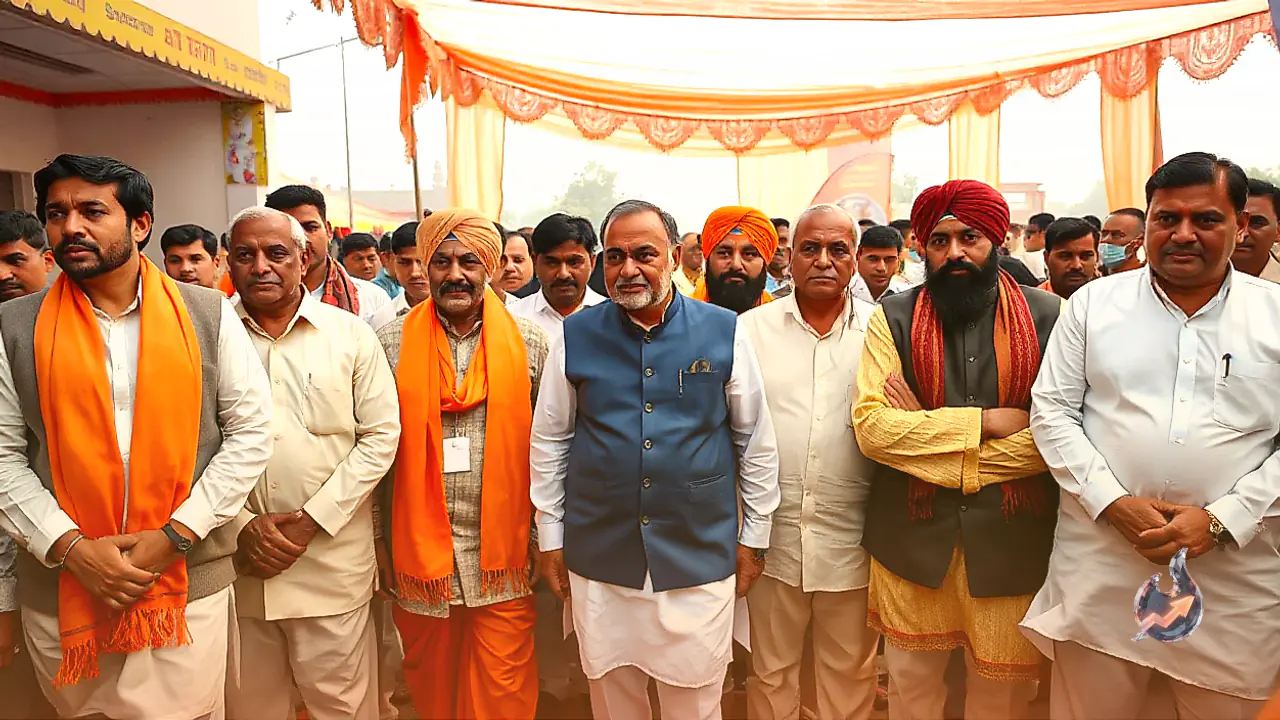

Political dynamics in Punjab have shifted significantly with the formal reunion of the Bharatiya Janata Party and the Shiromani Akali Dal on November 24. Union Home Minister Amit Shah announced that the Akali Dal will assume the role of the senior partner in the upcoming 2027 Punjab assembly elections. Describing the tie-up as an emotional alliance akin to fingernail and flesh, Akali Dal president Sukhbir Singh Badal acknowledged the deep bond, though political analysts note that careful electoral calculations underpin the decision.
Understanding the Electoral Math Behind the Alliance
Both parties share a interdependent political need. Before parting ways in September 2020, they maintained a 24-year-old alliance. Their reunion after six years is driven by three primary factors. Across the past ten elections comprising five assembly and five parliamentary contests, the BJP secured an average vote share of 9 percent while the Shiromani Akali Dal garnered 28 percent, creating a combined bloc of roughly 37 percent. They contested eight of those ten elections together, securing a majority in five of them, though they ran separately in the 2022 assembly and 2024 Lok Sabha elections.
Internal BJP projections indicate that a joint campaign during the general elections could have yielded leads in 57 constituencies, sitting just two short of the 59-seat majority mark in the 117-member assembly. Demographically, Punjab has a 57.7 percent Sikh population and a 38.5 percent Hindu population, with 62.5 percent residing in rural areas and 37.5 percent in urban centers. The BJP traditionally commands urban and Hindu-majority segments in regions like Majha and Doaba, whereas the Akali Dal relies heavily on rural areas and Panthic voters, despite seeing its footprint shrink to Bathinda and Firozpur in recent cycles.
Key Strategic Moves Deployed by the BJP
Beyond the alliance framework, the BJP has introduced five major operational shifts in the state. Haryana Chief Minister Nayab Singh Saini was entrusted with spearheading Mission Punjab. Active in the state since early 2026, he has participated in over 100 events, frequently donning a saffron turban to establish himself as a prominent face. Chosen partly to circumvent local factionalism and connect with non-Jat demographics, Saini highlights the governance model of a double-engine administration. Furthermore, his O B C background appeals directly to agrarian and land-owning communities in Doaba and Puadh.
On May 28, 2026, Kewal Singh Dhillon assumed the role of Punjab BJP president, marking the first time a Jat Sikh was appointed to lead the state unit. Previously associated with the Congress and considered close to Captain Amarinder Singh, Dhillon hails from the politically vital Malwa region. The party has also intensified outreach toward Dalits and O B C s, who comprise 30 percent and 32 percent of the state population respectively. Prime Minister Narendra Modi visited Jalandhar on February 1 to attend Guru Ravidas Jayanti at Dera Sachkhand Ballan, subsequently renaming Adampur Airport after the revered saint. Additional outreach included the Sarv Samaj OBC Conference in Abohar on June 13, infrastructure projects launched on July 17, and the Samrasta Sankalp Yatra flagged off on November 18.
Addressing Security, Drugs, and Opposition Realignment
Security and substance abuse remain central themes for the party. During a March 14 rally in Moga, Amit Shah highlighted that a substantial portion of nationwide heroin seizures originated in Punjab alongside rising concerns regarding gang activity. The BJP subsequently organized a 13-day Drug-Free Punjab Yatra covering all 117 constituencies over 4,000 kilometers, culminating in a Jalandhar event where Shah pledged a drug-free state by December 31, 2029. Voter surveys consistently indicate that substance abuse remains the primary concern for a significant portion of the electorate.
Concurrently, the party has absorbed several high-profile figures from the Congress and the AAP. Prominent defections included three sitting AAP legislators—Harmeet Singh Pathanmajra, Chetan Singh Jauramajra, and Kunwar Vijay Pratap Singh—who joined the BJP on November 2, alongside former legislators and regional leaders. While opponents have criticized the influx of leaders from rival camps, the ruling administration faces mounting anti-incumbency sentiment.
Current Challenges Facing the Coalition
Despite strategic consolidation, the alliance confronts notable hurdles. The lingering discontent among farmers stemming from the central agricultural laws enacted in September 2020 continues to pose a challenge, with various farm leaders expressing skepticism over the political partnership. Additionally, rural Sikh voters remain sensitive to past incidents of sacrilege during the 2015 Akali administration and subsequent protests, which prompted internal dissent against Sukhbir Singh Badal. Finally, seat-sharing negotiations remain delicate, as the BJP seeks a larger share of 50 to 55 seats compared to the traditional 23-seat quota, while the Akali leadership proposes allocating 45 to 47 seats.