



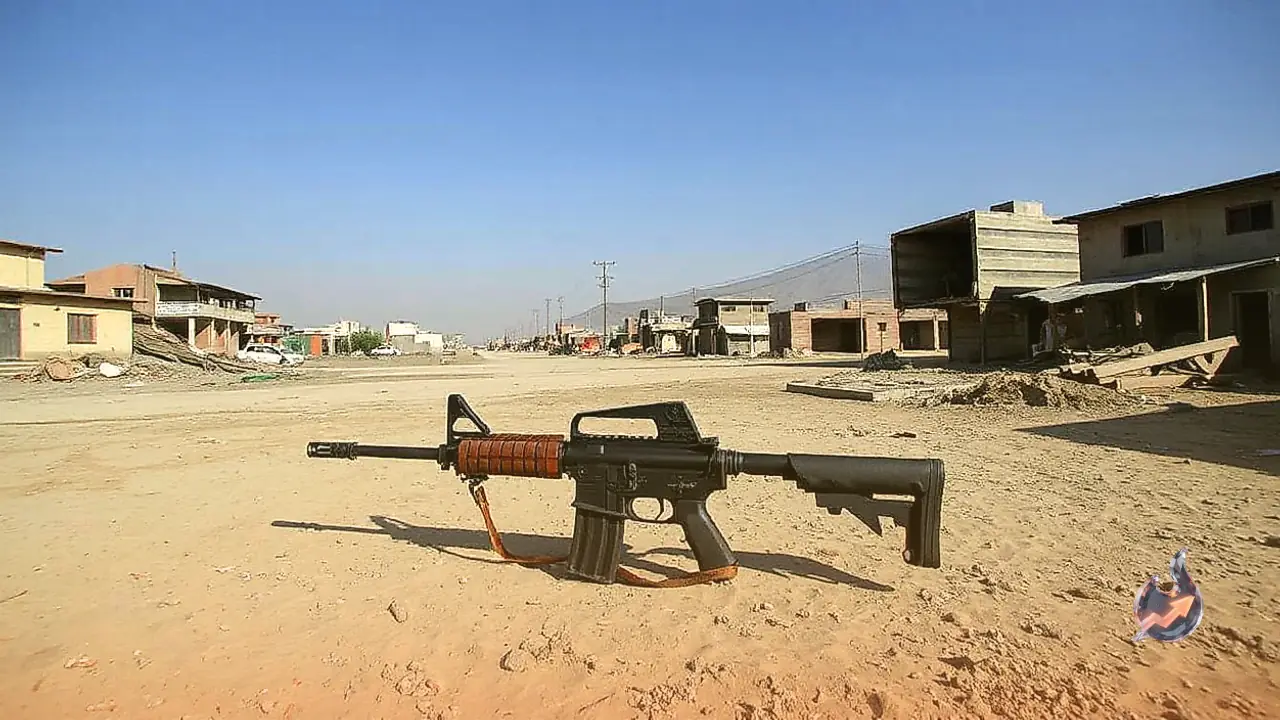















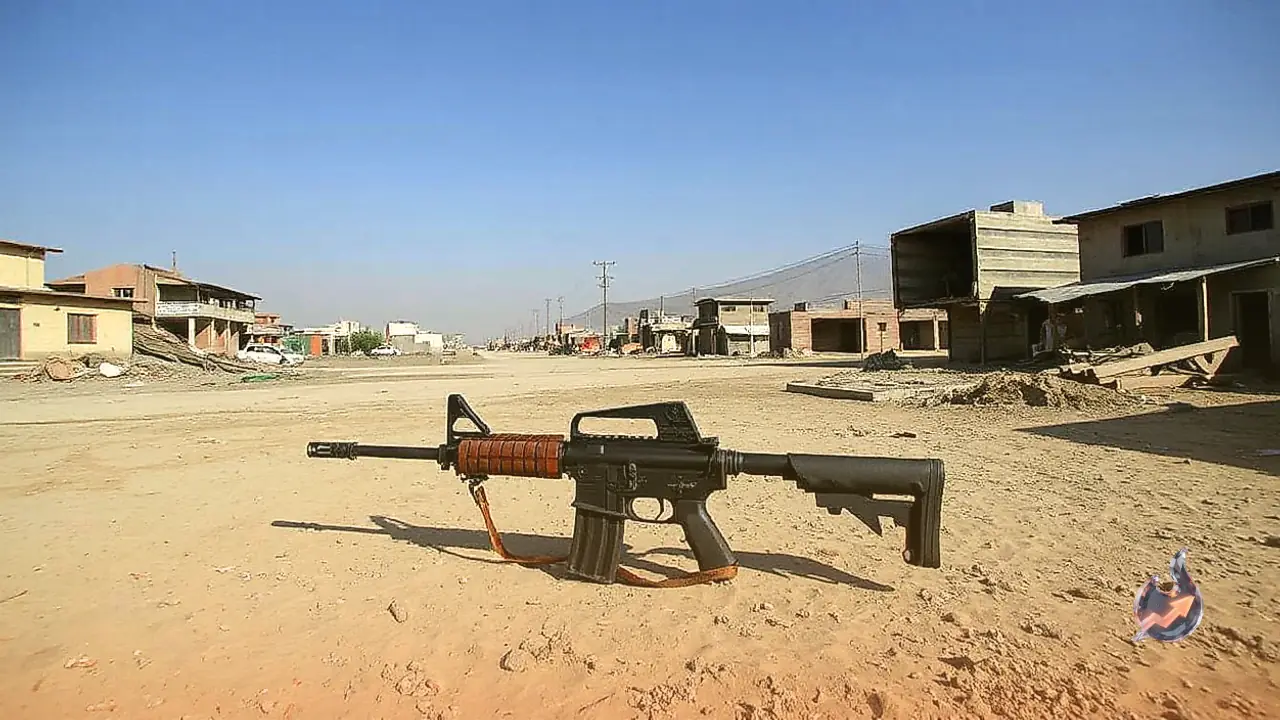

A critical technical breakthrough has surfaced for security investigators probing three separate terrorist incidents in Jammu and Kashmir. Detailed forensic examination of spent cartridge casings recovered from the sites of three recent strikes has revealed matching ballistic signatures, pointing to the distinct possibility that the same firearm was deployed across all three incidents. Ballistics experts analyzing the strike marks indicate that the common thread appears to be an AK-47 assault rifle. If conclusively confirmed through ongoing laboratory procedures, this finding could provide counter-terror agencies with an invaluable link to trace a single operational cell and dismantle the clandestine weapons network facilitating these strikes.
Ballistic Signatures and Cartridge Analysis
Whenever a round is discharged from an automatic weapon, the mechanical contact between the firearm and the ammunition casing leaves distinct, microscopic indentations. Striations imparted by the breech face, the firing pin strike, and the extraction mechanisms act as a unique mechanical fingerprint specific to that particular firearm. In Jammu and Kashmir, casings collected from three distinct terror strike locations underwent comparative forensic analysis. Investigators observed consistent firing pin impressions and chamber markings across all sets of ammunition, leading to the assessment that the same AK-47 rifle was used during each engagement. While security officials maintain that the examination remains part of an ongoing probe and cannot yet be treated as a final legal conclusion, the physical evidence strongly indicates the circulation of a single weapon within an interconnected terror network.
Ambush at the Mir Bazar CRPF Installation
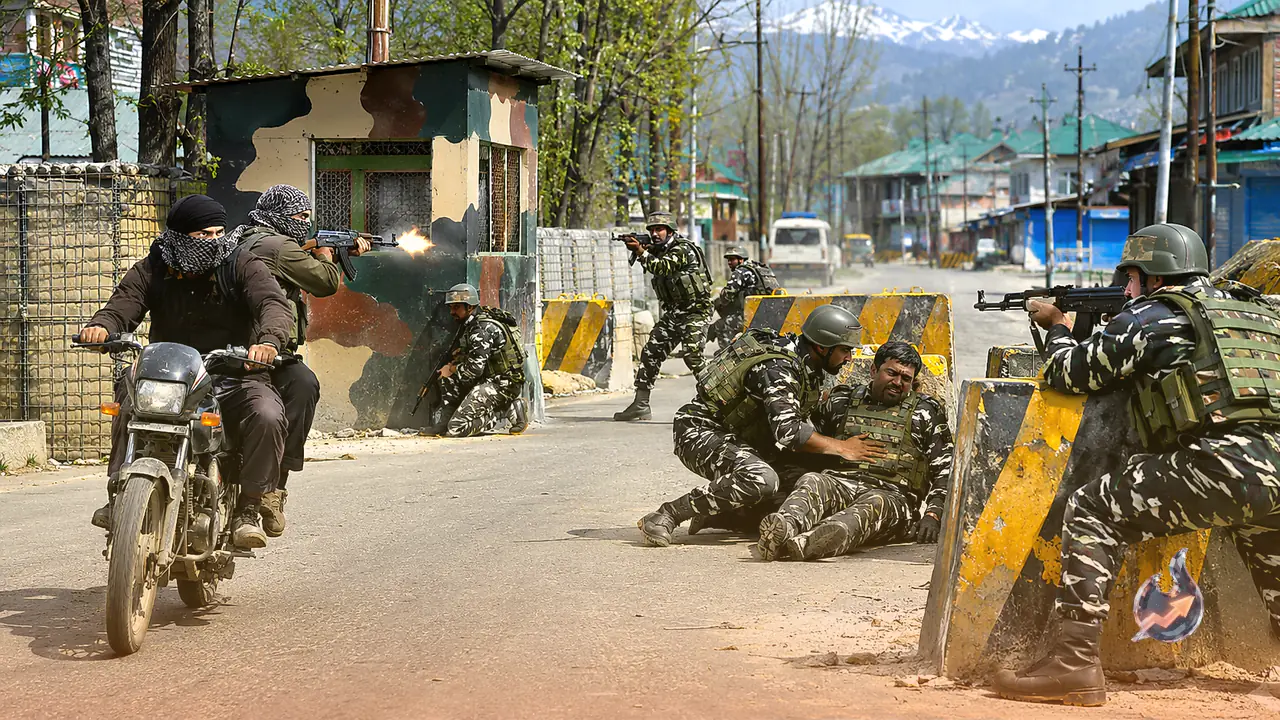
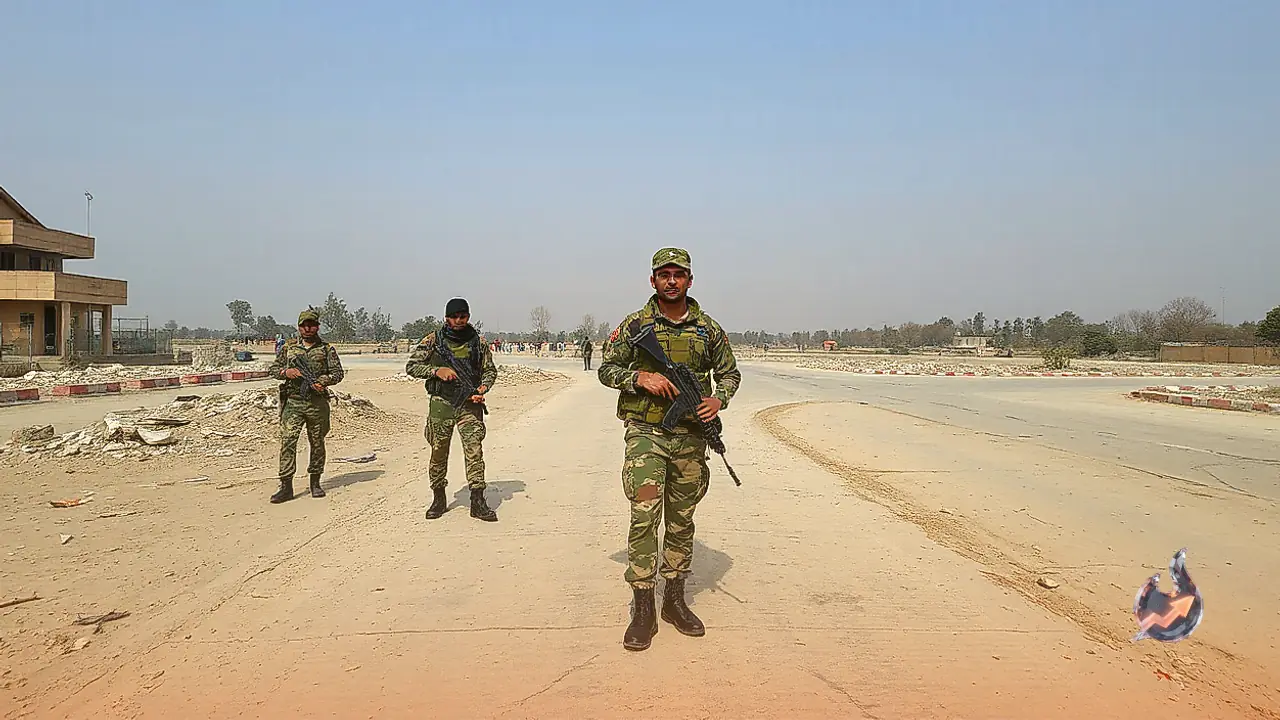
This ballistic trail gained intense scrutiny following an attack that occurred on Wednesday around 2:15 PM in the Mir Bazar area of Kulgam district. The targeted Central Reserve Police Force post sits approximately 75 kilometers from Srinagar and roughly one kilometer away from the vital Jammu-Srinagar National Highway. Operational details reveal that two heavily armed terrorists approached the outpost entirely on foot. Taking advantage of the surrounding topography, the attackers moved stealthily through a forested patch located roughly 50 meters from the post before opening fire.
The assault was executed in a tactical format where one assailant discharged his assault weapon toward the installation while the second operative provided immediate cover fire. Following the rapid exchange, both attackers fled on foot toward the wooded direction of Nopur. Early reports had suggested that the perpetrators may have arrived on a two-wheeler, but subsequent ground inspections conducted during a joint security search confirmed that no motorcycle or motorized vehicle had been utilized by the assailants during their approach or withdrawal.
Troop Bravery, Casualties, and Physical Evidence
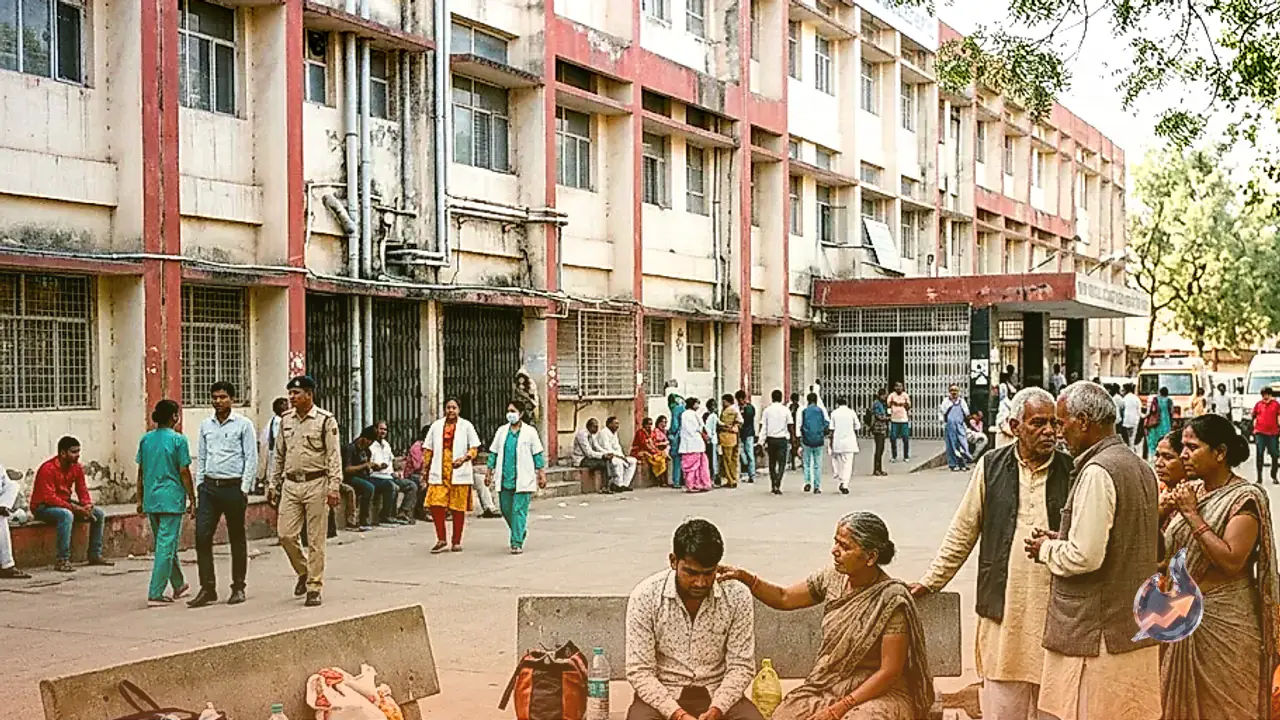
Three CRPF personnel sustained injuries during the sudden firing. The injured personnel were identified as Head Constable Somveer Singh, Constable Rakesh Das, and Constable Santosh Chandru. Despite taking fire, the personnel on duty demonstrated swift alertness and responded firmly, driving the assailants into retreat. The wounded soldiers were promptly evacuated to a hospital in the neighboring Anantnag district for specialized medical attention. Medical records indicated that Constable Santosh Chandru suffered wounds to his abdomen and spine, Constable Rakesh Das took a gunshot wound to the leg, and Head Constable Somveer Singh sustained an injury to his arm. Authorities confirmed that all three personnel are stable and out of danger.
During post-incident site sanitization, search teams recovered vital physical materials dropped along the escape perimeter, notably a Motorola mobile handset alongside an active SIM card. Specialized technical wings are presently analyzing call logs, transmission records, and digital trails associated with the device. Investigators are simultaneously analyzing surveillance footage from CCTV installations along adjacent roads and approach routes. By Thursday morning, combined security forces resumed a comprehensive cordoned search operation across the forested expanse to intercept the fleeing operatives.
Suspected Lashkar Link and Tightened Valley Security
Investigating authorities suspect the direct operational involvement of Mohammad Lateef Bhat, a local commander affiliated with the banned outfit Lashkar-e-Taiba. Official confirmation regarding the individual identities of the two gunmen is still underway through human intelligence assets and technical tracking. To prevent any movement out of the quadrant, security forces have established intensive vehicle checkpoints and physical inspection points across various key junctions in Kulgam district.
Security assessments highlight that sustained counter-insurgency operations have neutralized most of the high-ranking terrorist leadership operating in the zone. Current tactical inputs indicate that only one significant terrorist figure remains active in the immediate region, and security agencies express confidence that this operative will be tracked down soon. The broader security situation across Jammu and Kashmir has witnessed marked improvement compared to previous years when violent assaults were an everyday occurrence.