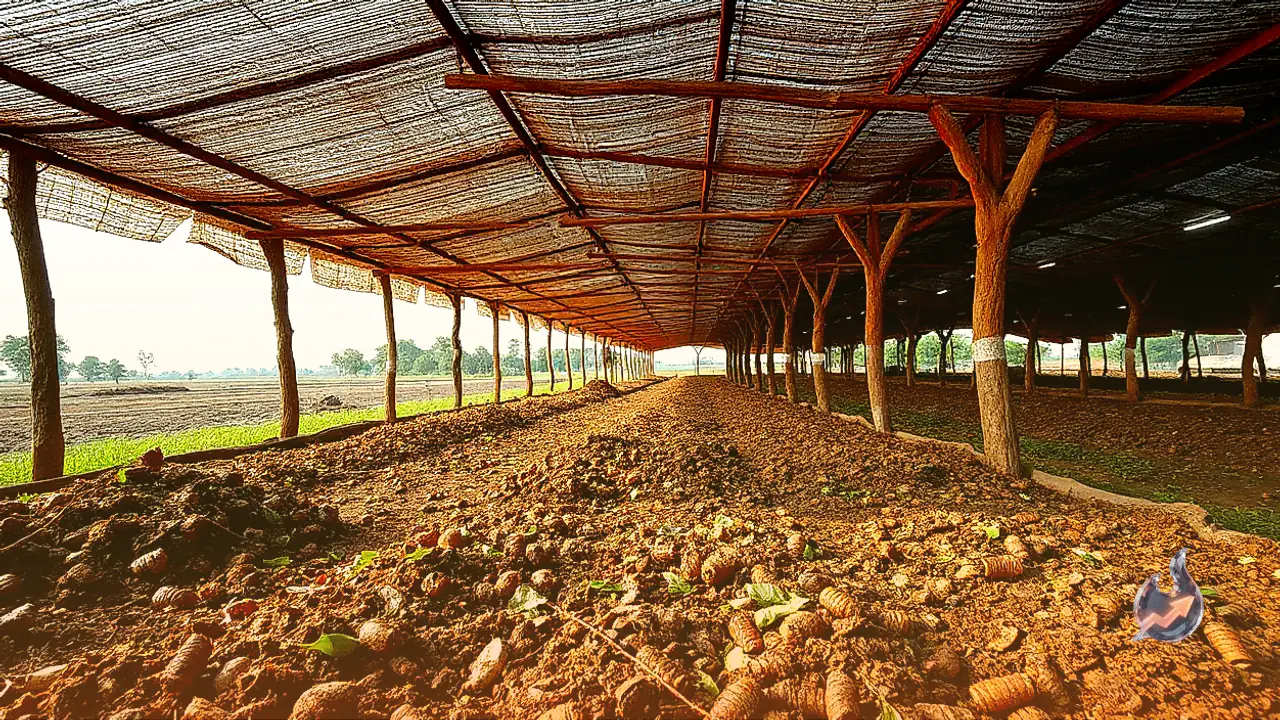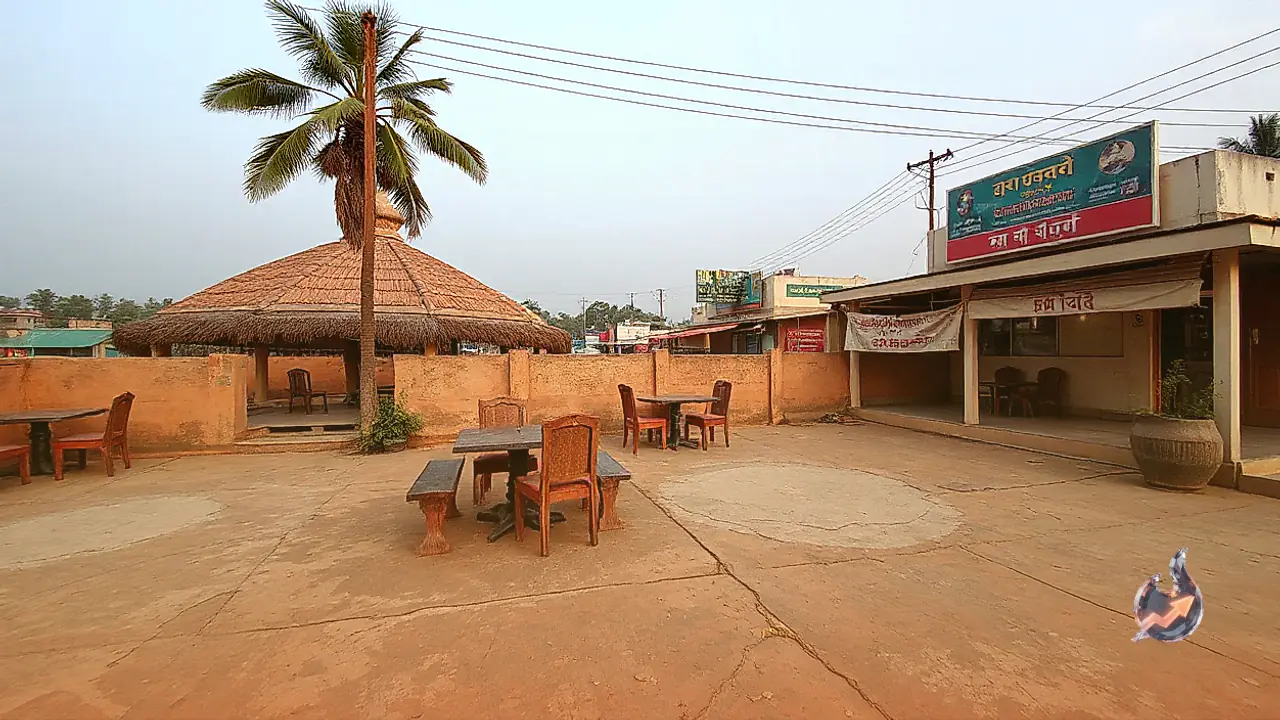







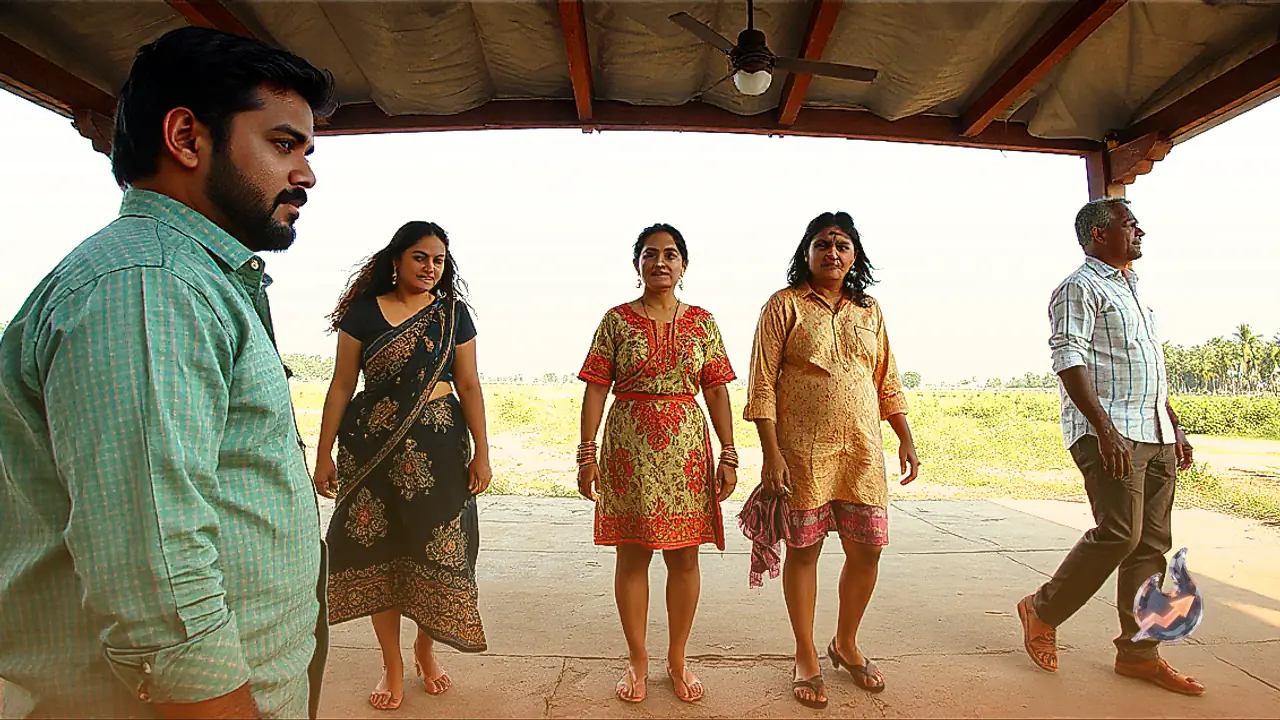














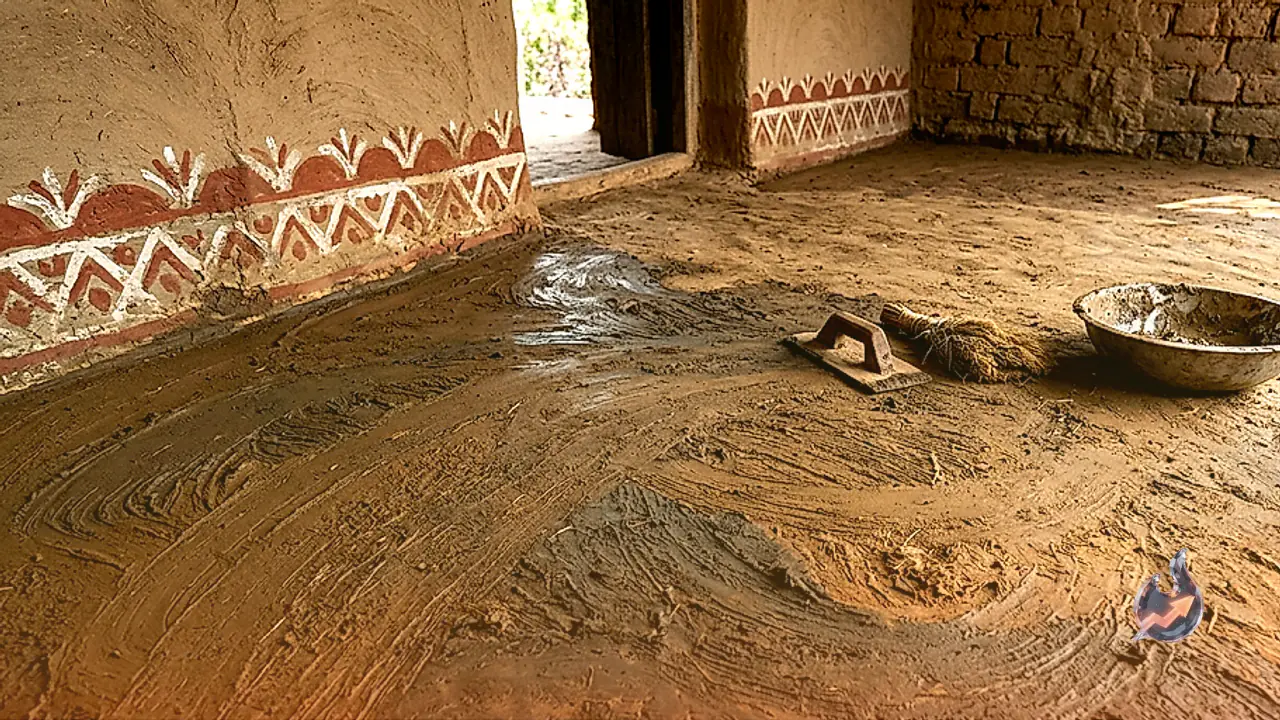

In an era where urban house construction is dominated by expensive tiles, marble, granite, and cement, rural pockets of Jharkhand preserve a time-tested and indigenous method for decorating household floors. Instead of modern commercial flooring, many villagers continue to apply a specialized mud plaster known locally as Gramin Jhalom. This age-old practice serves as a direct link to traditional heritage while offering a sustainable alternative that remains closely tied to nature.
Preparation of the Traditional Mixture
The method used to prepare this unique plaster involves a straightforward yet fascinating process. Red soil, murrum soil, cow dung, and sand are thoroughly blended together in specific proportions. Water is subsequently added to the dry mixture as needed to achieve a thick, workable paste. Once all the natural components are completely integrated, the compound is manually spread across the floor surface by hand. After drying, the mixture forms a distinct, natural layer that gives the flooring an attractive and rustic appearance.
Community Perspective on the Practice
Local residents explain that they continue to use this mud application across the interiors and exteriors of their homes as an essential component of their enduring heritage. Applying this mixture helps keep household floors looking neat, tidy, and visually appealing. Because it relies entirely on organic elements like soil and cow dung, it functions as a completely natural alternative to synthetic flooring products. Furthermore, practitioners note that a primary advantage of this mud floor is its thermal regulation, remaining relatively cool during peak summer days and imparting a refreshing coolness to the indoor atmosphere.
Key Advantages of the Traditional Method
This traditional flooring approach offers several notable practical benefits. Most importantly, the raw ingredients required to prepare it are readily accessible in the surrounding natural environment. Consequently, it serves as an economical alternative that avoids the high expenses associated with commercial tiles and marble. The organic combination of soil and cow dung imparts a unique texture and finish to the surface. Another distinct advantage is maintenance, as the surface can be easily replastered periodically to restore its pristine, freshly laid appearance. Villagers apply this technique both inside living spaces and across open courtyards.
Preserving Simplicity Close to Nature
At a time when modern housing trends often lead people to abandon age-old customs in favor of contemporary aesthetics, the persistence of practices like Gramin Jhalom in rural Jharkhand tells a different story. This tradition extends far beyond a mere technique for surfacing floors, standing instead as a striking symbol of living simply and harmoniously alongside the natural world.