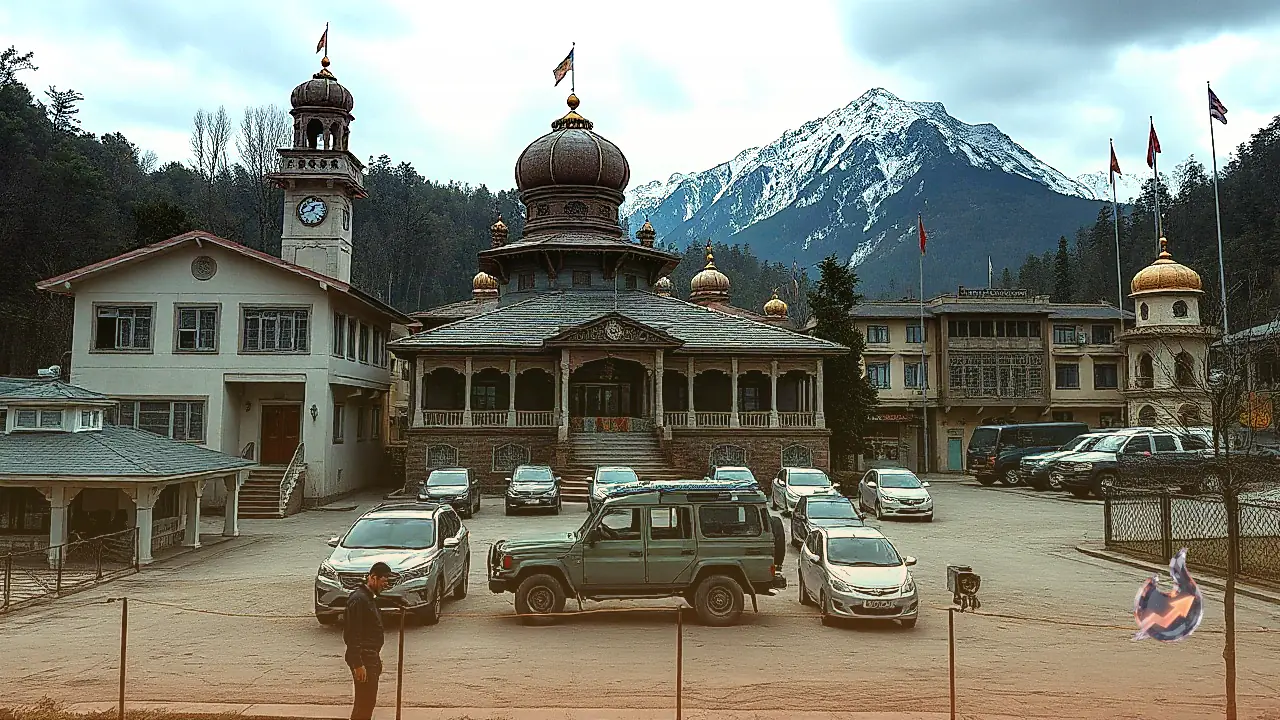


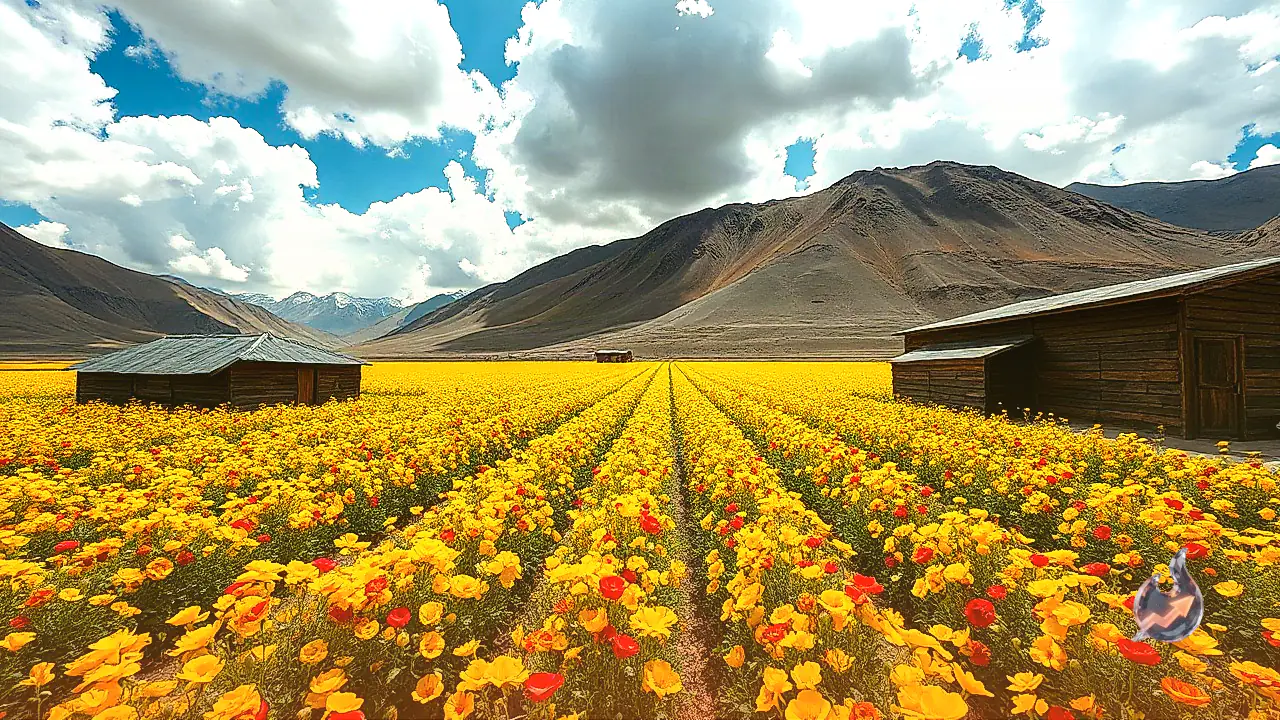














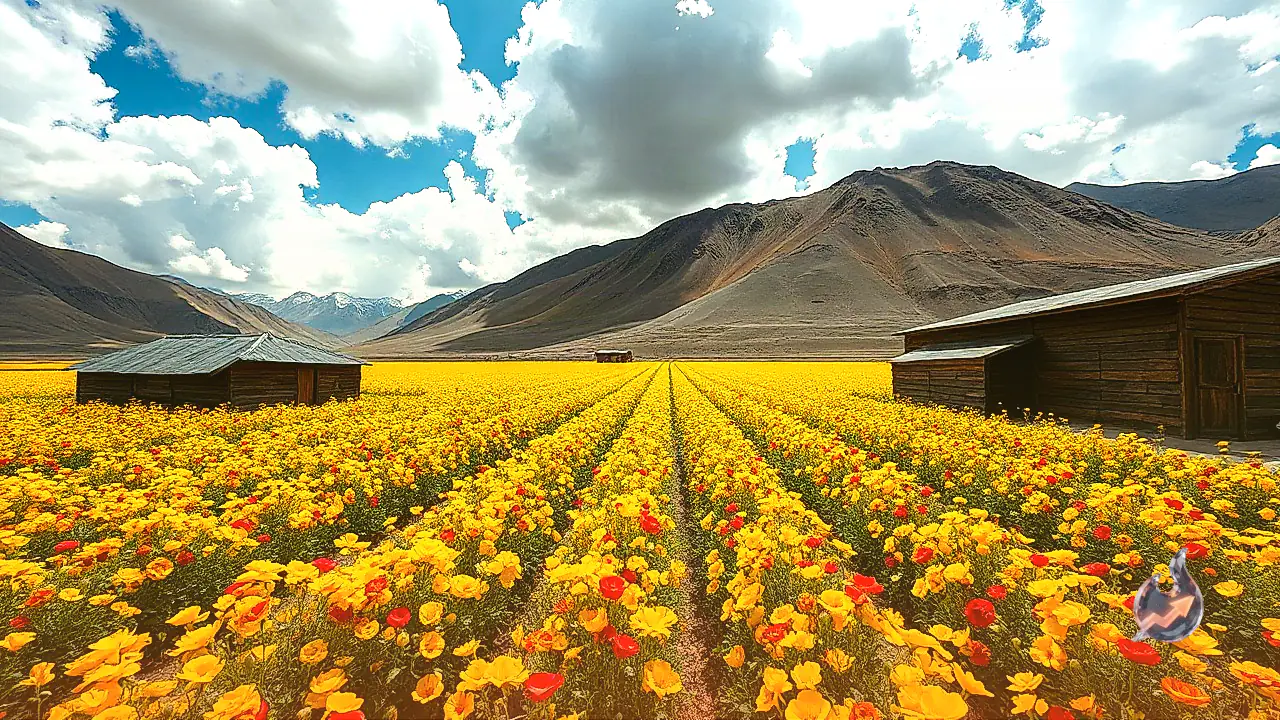

Marking the 76th birthday of Prime Minister Narendra Modi, Ladakh Lieutenant Governor VK Saxena inaugurated the world's highest twin flower fields in Leh. This landmark initiative aims to revolutionize agriculture in the region by introducing commercial floriculture, empowering local farmers, and creating fresh economic opportunities.
Record-Breaking Scale at 10,600 Feet Elevation
Situated at an impressive altitude of 10,600 feet in Choglamsar and Stakna in Leh, these twin flower fields hold the distinction of being the highest and largest in the country. Spread across a sprawling 40 acres, the massive project houses over 2.5 million high-value flowers, which include 24 lakh liliums and 1 lakh gladioli. This is the first experiment of its kind and scale at such a high altitude in Leh, successfully paving the way for replicating this model across other parts of Ladakh.
Fast-Track Development and Planting Timelines
The Choglamsar flower field was established within a record timeframe of just two months. Planting work at Choglamsar commenced on July 16, with the first blooms appearing in the first week of September. Meanwhile, planting of nearly 1.4 million lilium bulbs at the Stakna flower field began in August, with the first blooms anticipated by the end of October.
Boosting Rural Economy and Commercial Floriculture
The project is designed to leverage Ladakh's unique climate and tap into growing national and international markets for premium flowers, fostering rural economic growth and entrepreneurship. In wholesale markets, liliums command a premium rate of 60 to 70 rupees per stem, with retail sales fetching even higher returns. The Choglamsar flower park will serve as a model and demonstration center for floriculture, cultivating varieties like lilies, gladioli, tulips, and ornamental plants that enjoy strong demand.
Empowering Self-Help Groups and Cooperatives
Under the implementation framework, the agriculture department will develop the flower fields in the first year and hand them over to selected Self-Help Groups and cooperative societies during peak blooming season. The department will assist these groups in marketing the produce nationally and internationally. Starting next year, cooperatives will independently manage commercial cultivation, harvesting, and value addition. Local farmers are receiving structured training in modern scientific cultivation methods to establish floriculture as a viable commercial business.
Public Access and Entry Fee Details
The flower garden will open to the general public and tourists starting September 18, 2026. To ensure proper upkeep and maintenance, a nominal entry fee has been set at 25 rupees for adults and 10 rupees for children, with the proceeds dedicated entirely to the sustained maintenance of the garden.