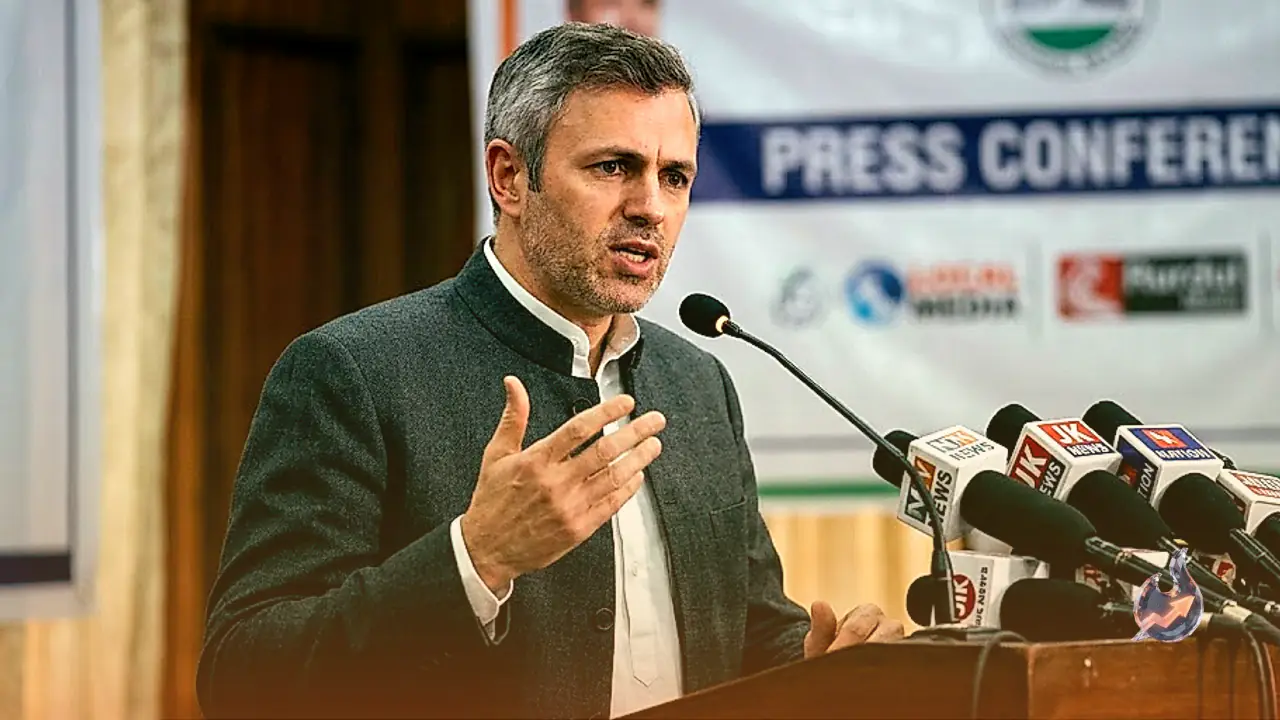
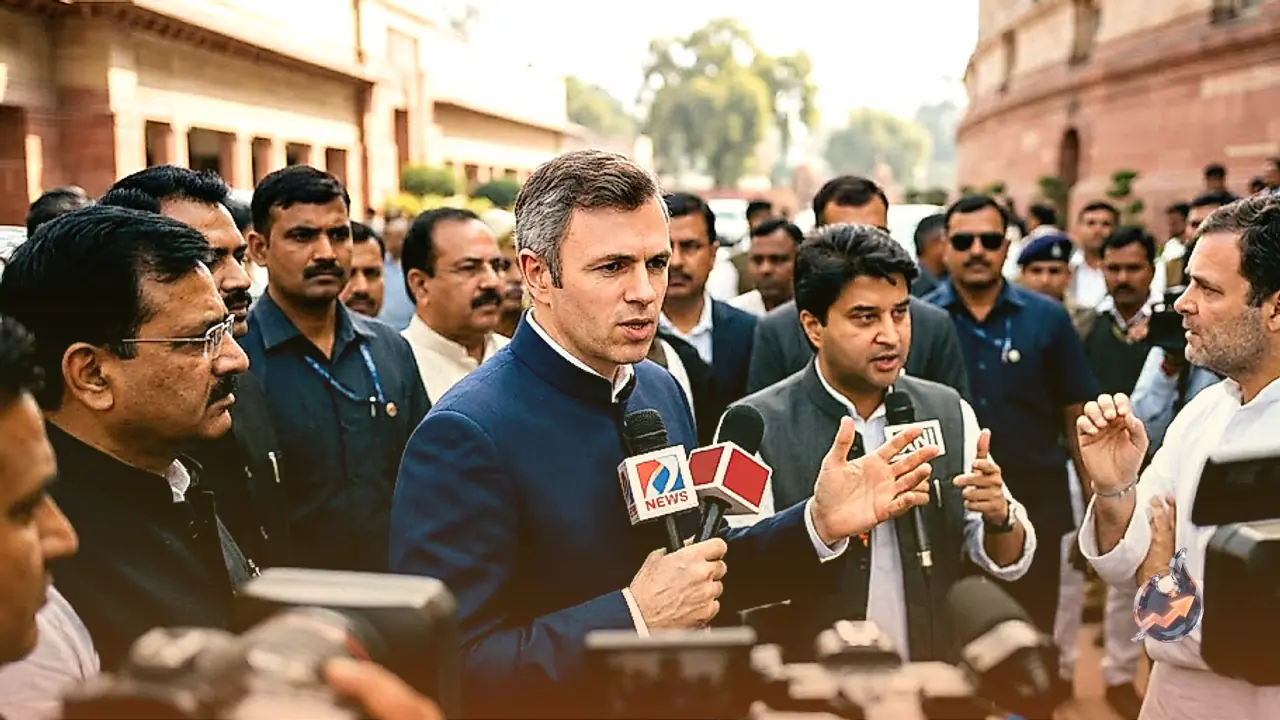















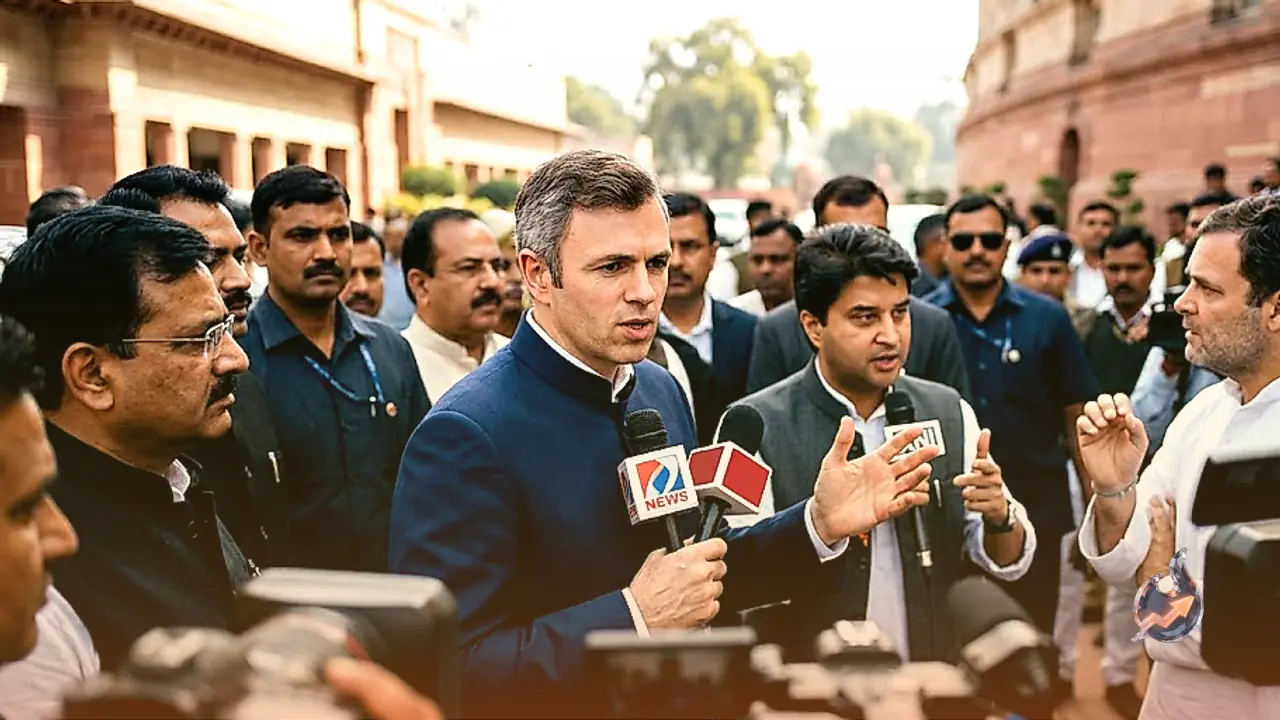

The ongoing political discourse surrounding potential charges on UPI transactions has intensified, with Jammu and Kashmir Chief Minister Omar Abdullah coming out in support of the central government on Wednesday. He stated that maintaining and operating the vast digital payment infrastructure is an expensive endeavor, while simultaneously advising authorities to safeguard the financial interests of ordinary retail customers. He noted that the charges are not applicable to everyone, emphasizing that peer-to-peer transfers remain free and everyday users are exempt from fees as long as they stay within a specific transaction threshold.
The Cost of Maintaining Digital Infrastructure
Elaborating on his viewpoint, Omar Abdullah pointed out that running the payment ecosystem involves substantial expenditure and cannot be maintained without considerable resources. He observed that when services are provided entirely free of cost, people often fail to appreciate their true economic value. However, he insisted that the government must ensure ordinary citizens are not burdened by these fees. He added that levying charges on large corporations would not be problematic since these entities already generate significant profits through the UPI network.
Political Friction and Opposition Allegations
The debate has sparked sharp political reactions, with Congress leader Rahul Gandhi recently alleging that Prime Narendra Modi should stand tall instead of yielding to US President Donald Trump, demanding an immediate rollback of the policy. In a swift counter-offensive, Union Minister Jyotiraditya Scindia dismissed the criticism, stating that Rahul Gandhi seems obsessed with the United States and rarely engages in constructive discussions about nation-building.
Clarification on Merchant Charges
Addressing the specifics of the policy, Jyotiraditya Scindia clarified that the fees will strictly apply to select commercial entities rather than common citizens. Specifically, the MDR charges will affect merchants whose monthly UPI transaction volume exceeds one lakh rupees, a group that represents a mere four percent of the total merchant population. Meanwhile, the controversy has expanded further as the matter has now reached the Supreme Court for judicial scrutiny.