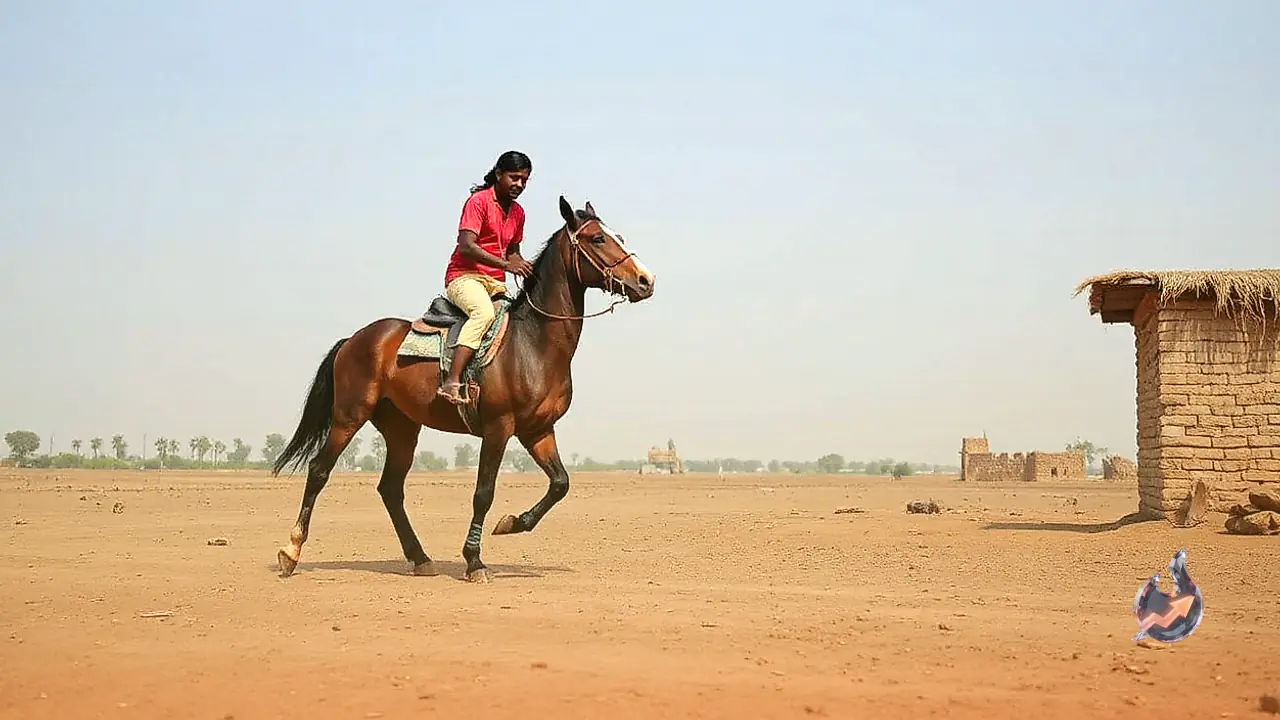















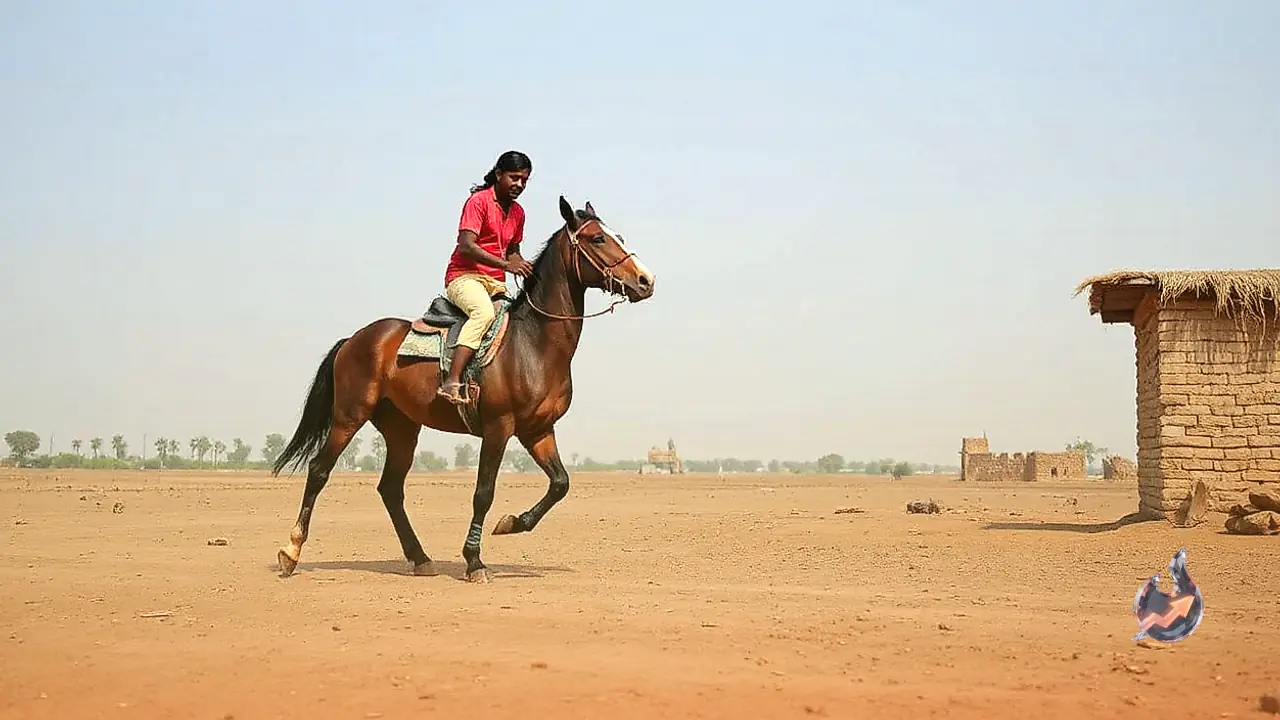

Among the distinct cultural traditions preserved across Jharkhand, an extraordinary performing art known as the horse dance stands out for its visual spectacle and historical roots. In this indigenous performance, a specially constructed artificial horse framework serves as the centerpiece. A dancer positions himself directly within the hollow center of this structure, moving through rhythmic patterns that create the striking illusion of riding a spirited mount. The elaborate presentation continues to captivate observers while carrying forward a distinctive tribal performance tradition.
Triumphant Warriors and Celebratory Royal Welcomes
Explaining the rich background of this performance, local artist Dinesh points out that the dance forms an integral part of tribal community heritage stretching back thousands of years. While pinpointing an exact origin period remains difficult, historical memory links it to royal traditions of a bygone era. Whenever ancient kings and rulers returned triumphant after winning battles, community members staged this energetic dance to mark their victorious homecoming. Over generations, the practice expanded into civilian life, becoming a staple feature at wedding festivities and broader social gatherings.
Facing Fading Recognition Among Modern Audiences
Despite its long cultural pedigree, the traditional art form now confronts serious challenges of survival. Dinesh observes that awareness has plummeted to a point where roughly 90 percent of people within their own community currently know nothing about it. To prevent this ancestral legacy from dying out entirely, dedicated performers are staging demonstrations wherever crowds gather. They actively bring the dance to family weddings, local community fairs, and traditional public grounds known as aakhra, reminding spectators that this heritage represents thousands of years of shared identity worthy of urgent conservation.
Handcrafted Technique Utilizing Clay, Husk, and Bamboo
The construction of the artificial horse model involves specialized native craftsmanship relying entirely on organic local raw materials. Artisans combine natural clay, fabric, and wheat straw husk to build up the exterior body. This mixture dries into an exceptionally resilient fiber layer, closely resembling the rigidity of dense examination cardboard clipboards. Beneath this surface, an interior skeleton of cut bamboo pieces provides structural balance and firmness. The exterior is subsequently adorned with vibrant folk paintwork, producing a sturdy figure that withstands rigorous dance movements without cracking or breaking.
Securing the Framework for Dynamic Performances
The actual staging demands notable physical coordination from the performer. Once the hollow horse figure is fully assembled, the artist steps directly into the core space and ties the interior framework securely around the body. Once fastened, the performer executes intricate steps that bring the mock steed to life. Driven by the mission to ensure future generations recognize and honor this long-standing tribal custom, performers work continuously across days and nights, eagerly seeking platforms at major festivals and large regional fairs to keep the dance thriving.