























Maintaining soil fertility is critical for securing high agricultural yields and protecting long-term farm productivity. With the prolonged use of chemical fertilizers causing gradual degradation of soil structure, farmers are increasingly looking toward sustainable organic alternatives. Among various organic options, vermicompost, produced by processing ordinary cow dung with earthworms, has emerged as a highly effective and eco-friendly solution. Earthworms break down organic waste into a nutrient-rich fertilizer that can be produced locally at a minimal cost.
Training and Technical Knowledge
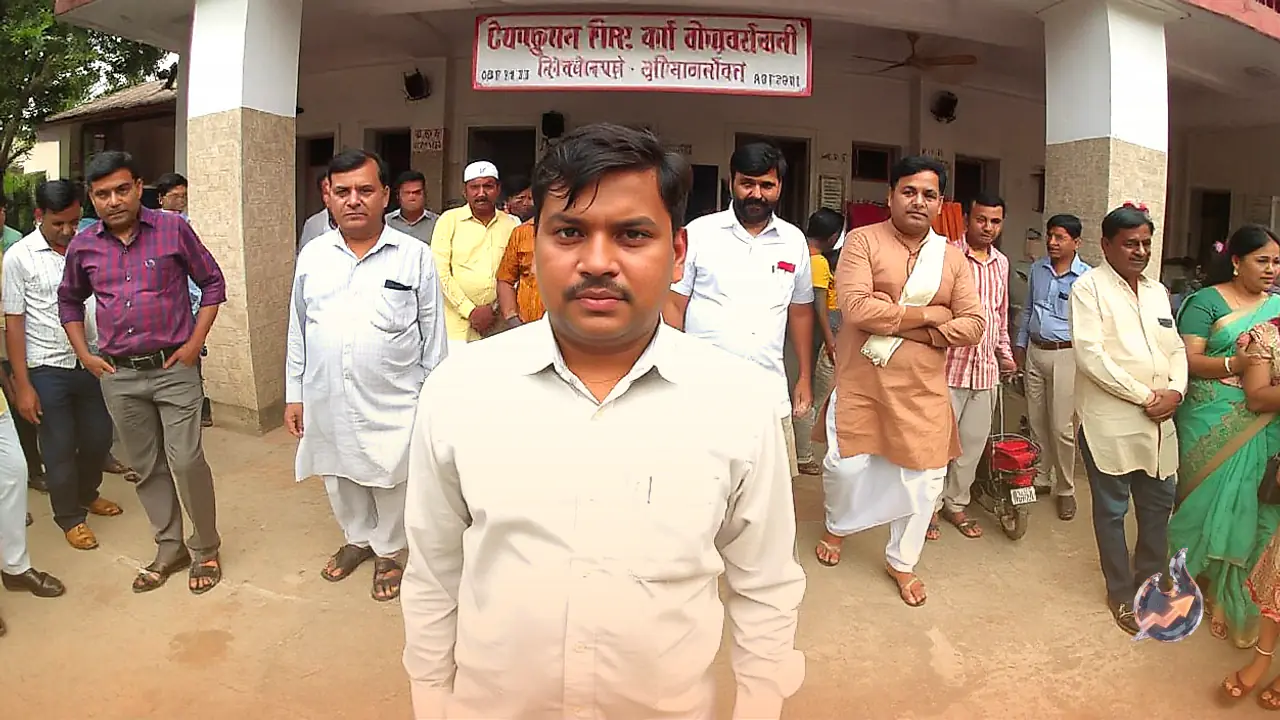
Setting up a functional vermicompost unit requires a solid understanding of scientific compost management. Saurabh Kumar Mishra, an employee at Shri Koderma Gaushala Samiti, completed a short-term specialized training program delivered through Ranchi-based Aditya Crop Limited. The week-long training covered key technical areas, including site preparation, moisture balance, temperature regulation, and earthworm population management. Leveraging this technical knowledge, Mishra is now guiding local farmers and gaushala members across the district on how to build and maintain their own compost units.
Site Selection and Bed Construction
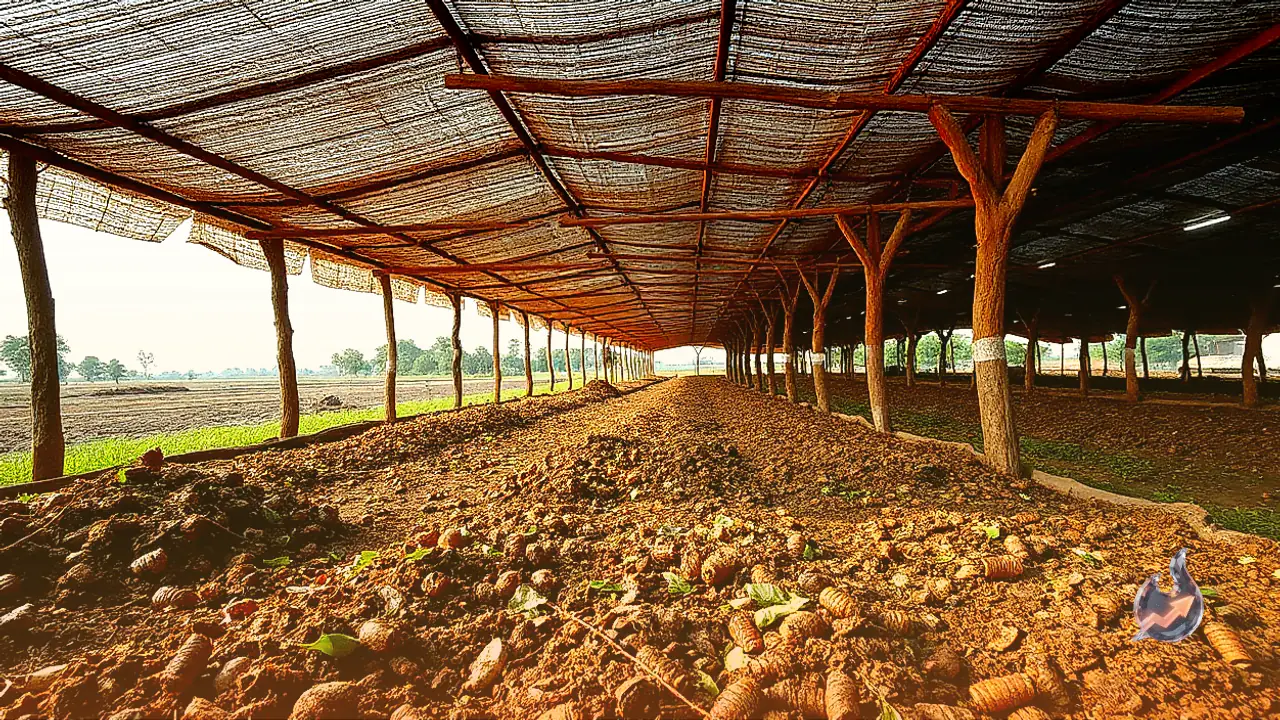
The first critical step in establishing a vermicomposting unit is selecting flat and well-shaded land. Direct exposure to intense sunlight and heavy rain can severely harm earthworms and disrupt decomposition. If natural shade is unavailable, constructing a temporary protective shed or covering the compost beds with protective sheets is necessary.
To build the physical unit, bricks are laid out on level ground at intervals of roughly 4 feet. A plastic sheet is laid over the brick base to retain moisture and prevent nutrients from leaching into the subsoil. Cow dung is then stacked evenly over the structure to create a compost bed measuring approximately 3 feet in height and 4 feet in width. Proper structuring ensures adequate aeration and structural stability of the bed.
The Essential 15-Day Cooling Phase
Fresh cow dung produces significant heat during its initial breakdown stage. Introducing earthworms directly into fresh dung can prove fatal to the worms due to elevated temperatures and gas buildup. Consequently, a mandatory cooling phase of approximately 15 days is required before adding earthworms.
During this fortnight, water must be sprinkled lightly and consistently over the dung stack. The goal is to allow moisture to penetrate deep into the core of the pile, effectively bringing down its internal temperature. Care must be taken to avoid excessive watering, as over-saturation can cause runoff, washing away organic matter and damaging the structure of the bed.
Adding Earthworms, Maintenance, and Harvesting
Once the 15-day cooling period is complete and the temperature stabilizes, earthworms are introduced into the pile at a rate of roughly 100 to 150 grams per bed. Regular monitoring is essential during the subsequent transformation phase. Maintaining optimal moisture levels within the pile is crucial for worm survival and continuous digestive activity.
Farmers need to inspect the beds every two to three days and sprinkle water as required based on ambient weather conditions. Under proper care and favorable environmental conditions, the dung is completely converted into granular, high-nutrient vermicompost within 60 to 75 days. The fully processed compost is then separated from the top layer and packaged or applied directly to agricultural fields.
Long-Term Benefits for Soil Health
Vermicompost is rich in macro-nutrients such as nitrogen, phosphorus, and potassium, alongside essential micronutrients and beneficial microbes. Regular application enhances soil aeration, improves water retention capacity, and restores biological activity in depleted farmland. By transitioning to vermicomposting, farmers can reduce reliance on commercial chemical inputs while building sustainable soil health for future cropping cycles.