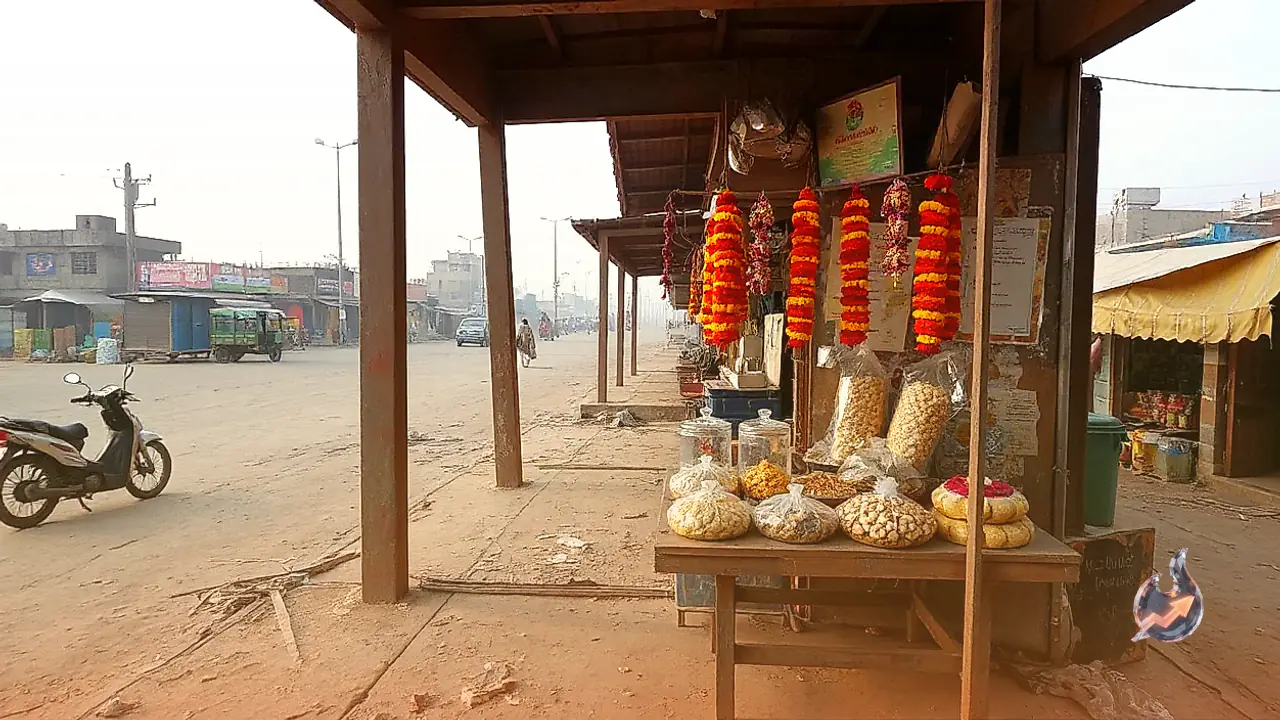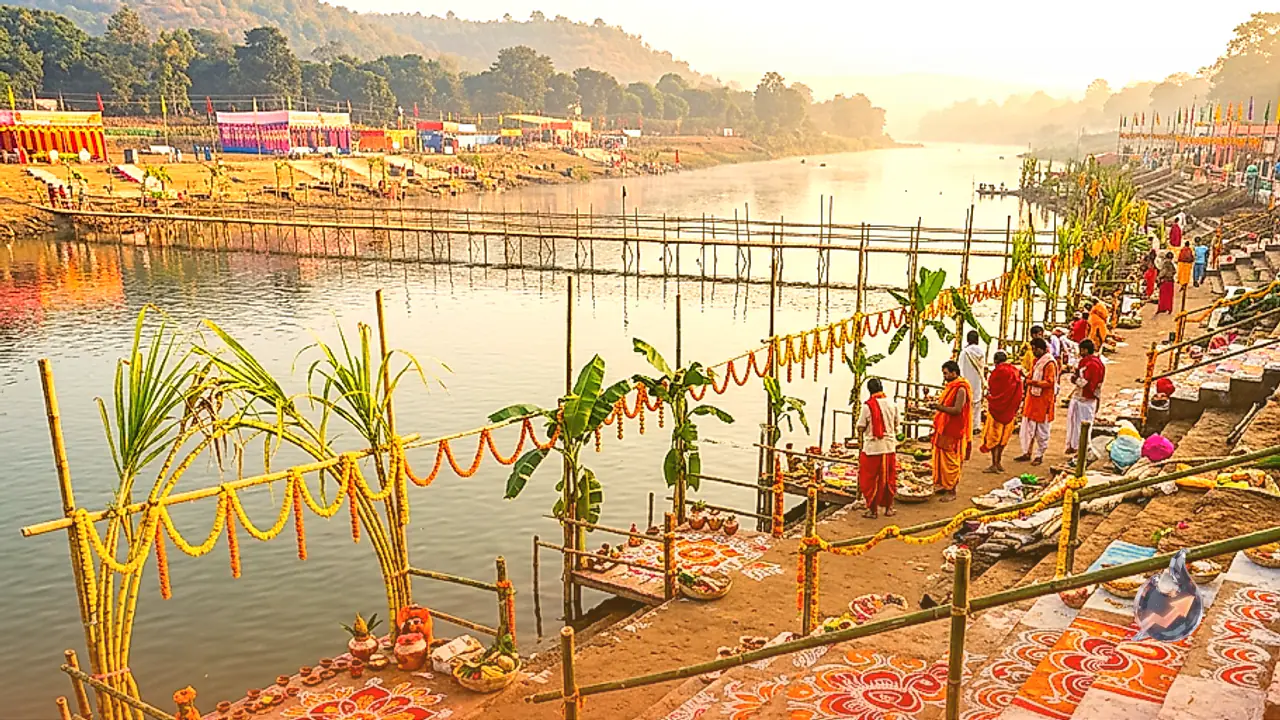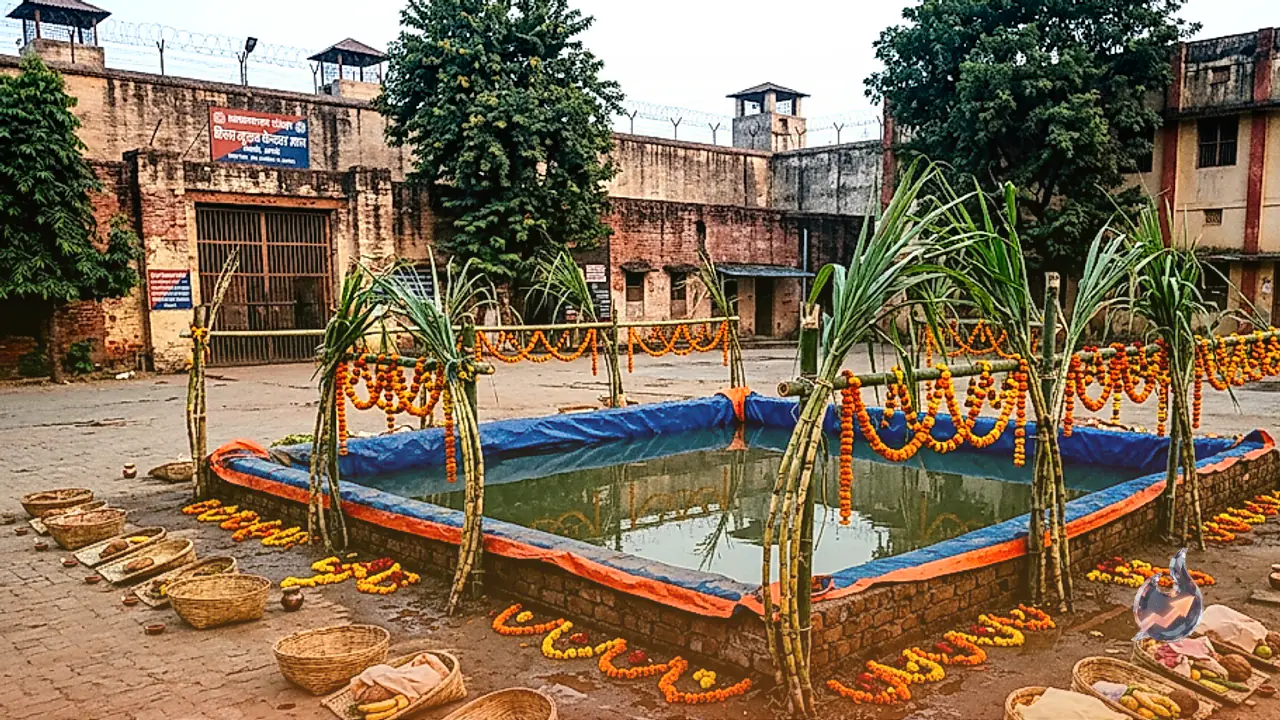


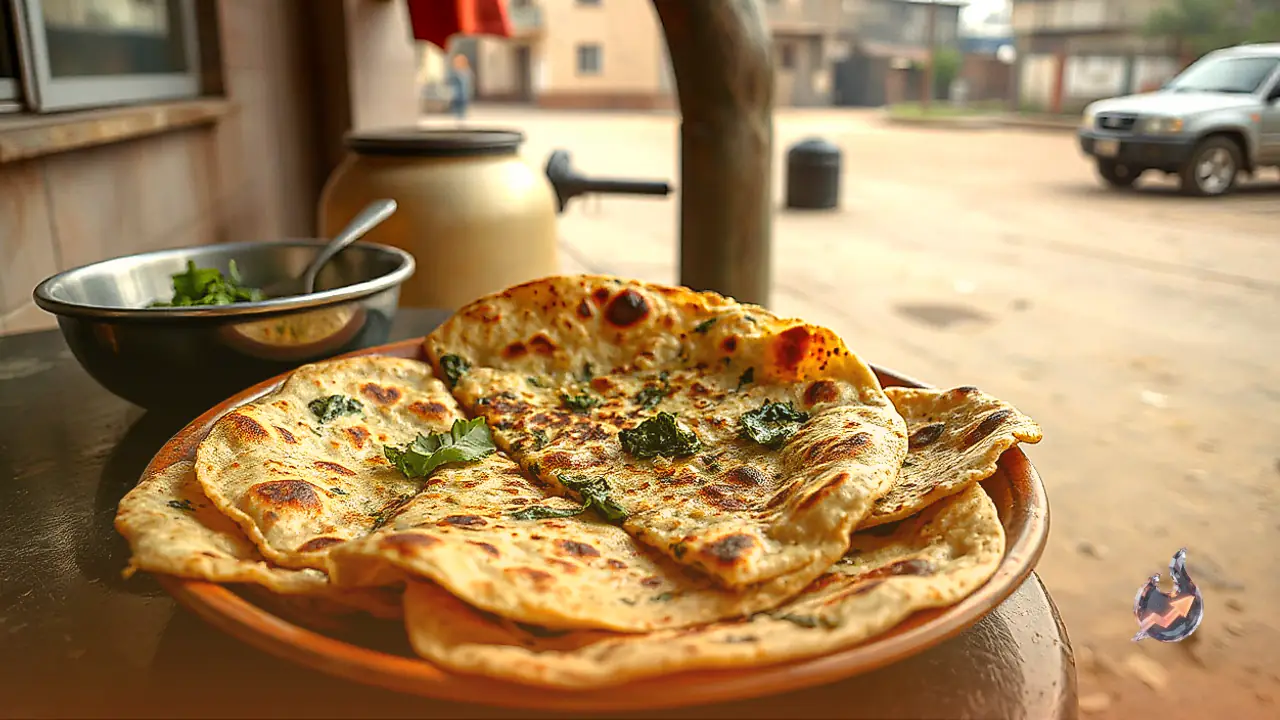

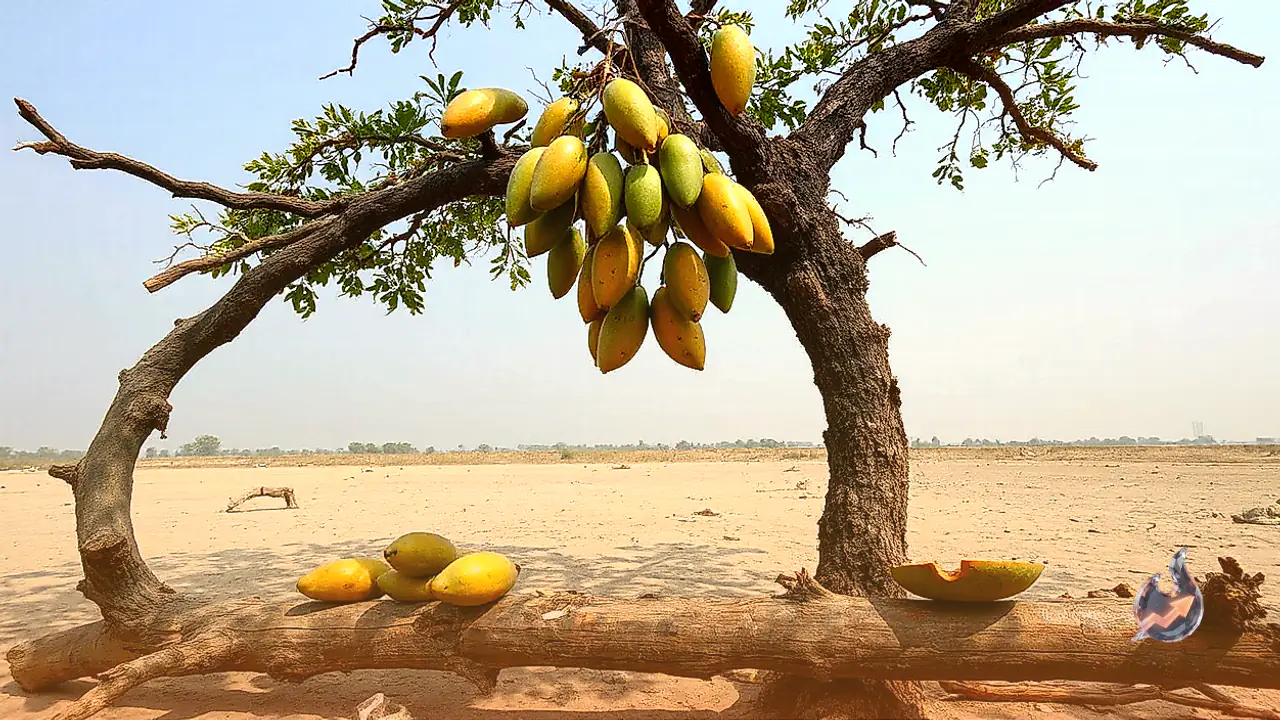

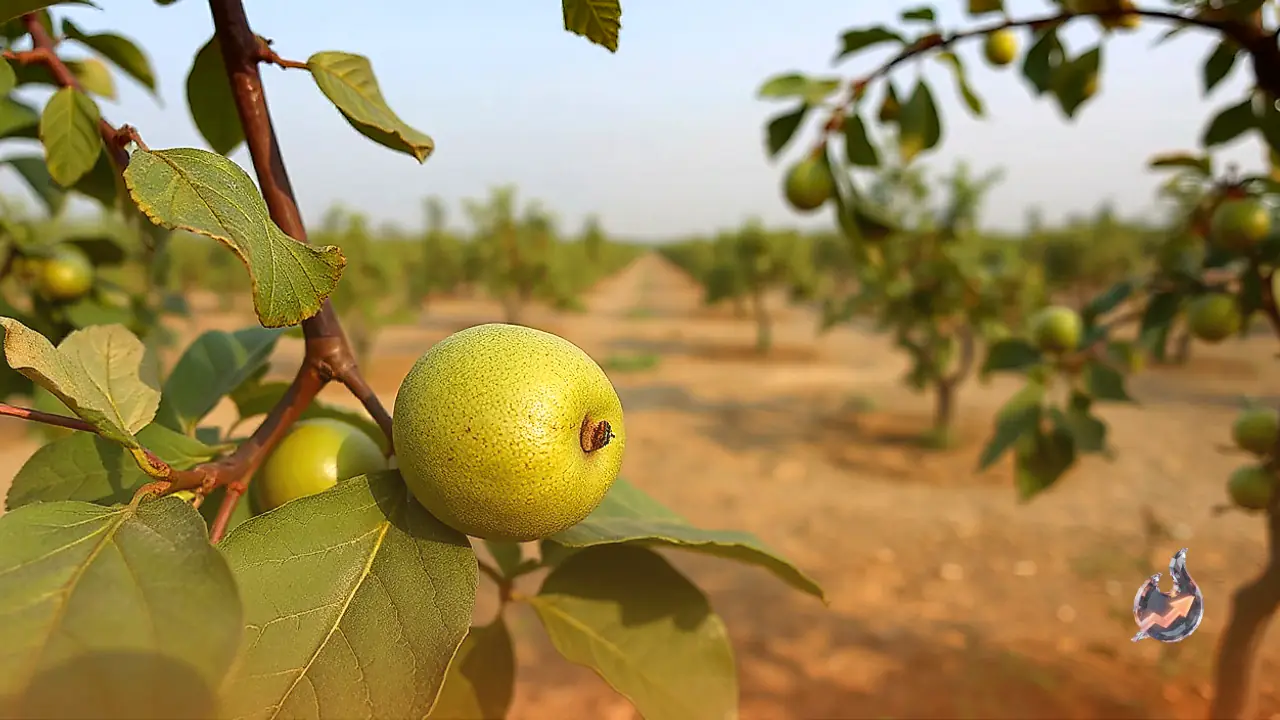














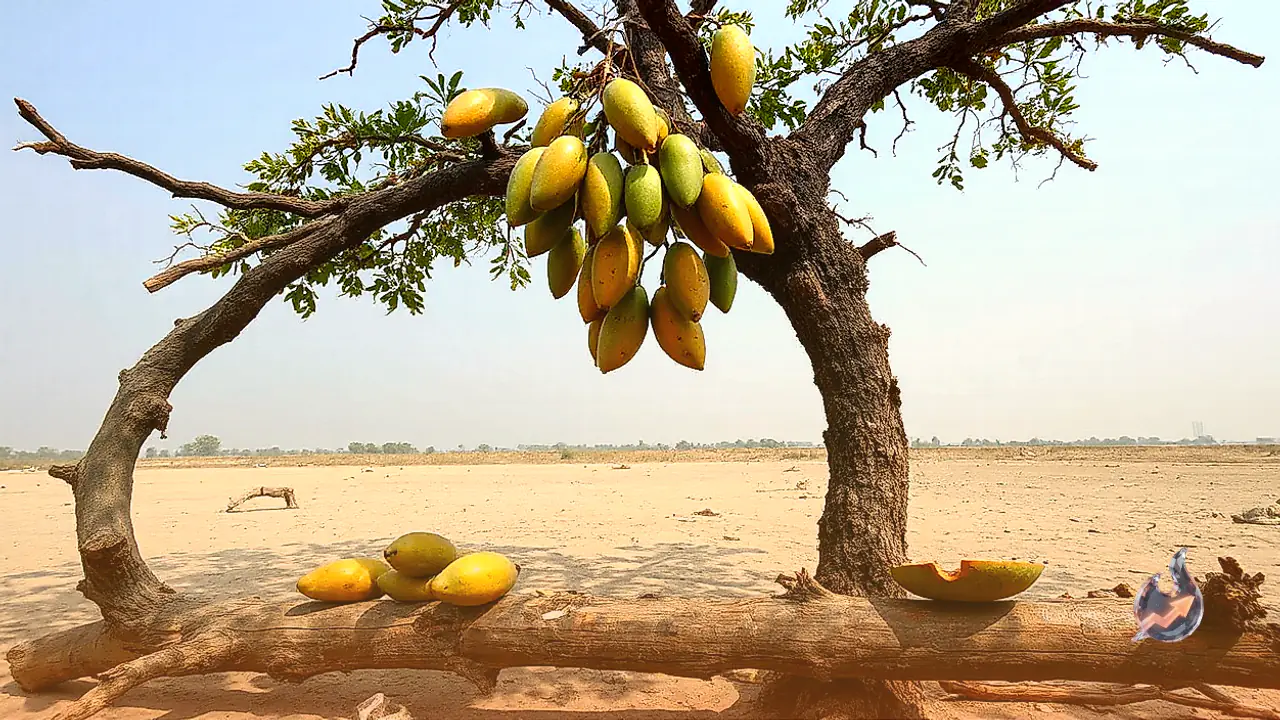

In Palamu, the grand festival of faith known as Chhath is not merely about worshipping the sun god and invoking छठी मैया, but it is also observed as an occasion to express profound gratitude toward nature. Every single item utilized in this festival carries its own unique significance. Among these is mango wood, which traditionally serves as fuel for preparing sacred offerings during the rituals. Particularly on the day of Kharna, mango wood is consistently used to cook jaggery kheer and other prasad. Mango wood is regarded as sacred, and food prepared using it holds special importance in the festivities.
The Message of Environmental Conservation
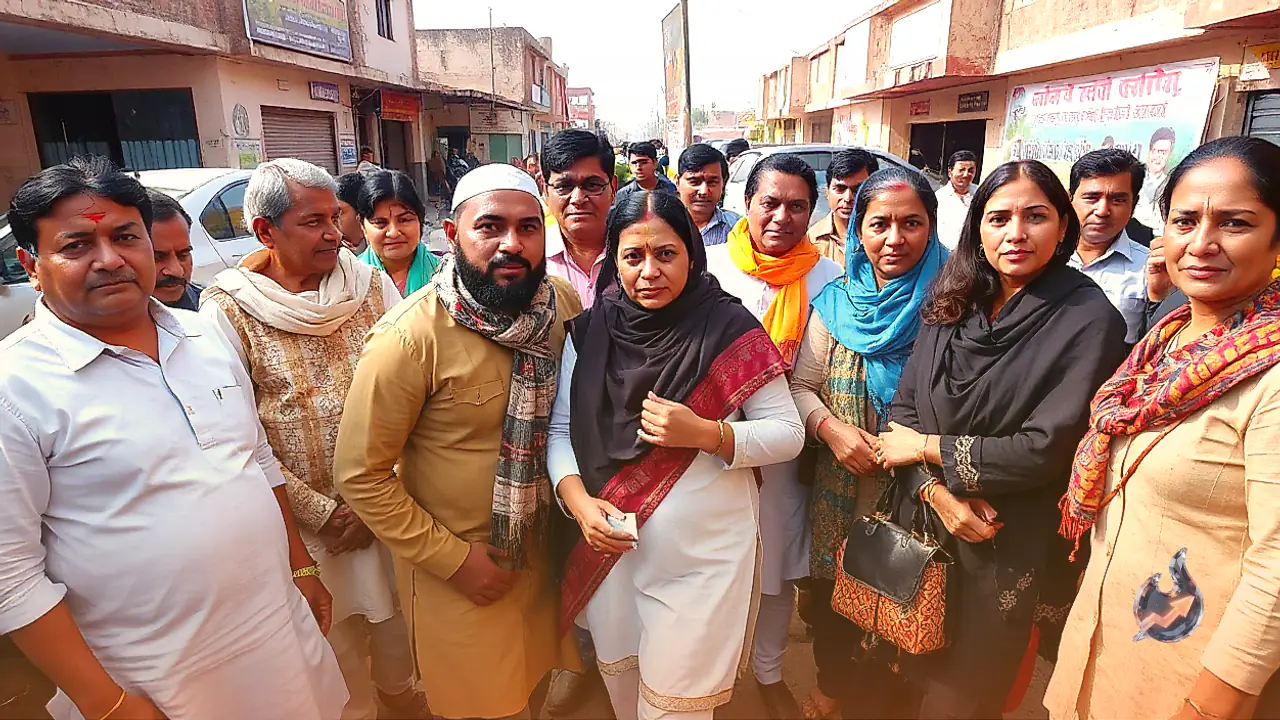
Environmentalist डॉ० कौशल किशोर जायसवाल explained that this long-standing tradition is intertwined with the vital message of ecological preservation. The mango tree proves exceptionally beneficial for the environment. Throughout its lifespan, the tree absorbs carbon dioxide from the atmosphere through photosynthesis and releases oxygen. In this manner, trees play a critical role in sustaining the environmental balance of the earth. Our ancestors deliberately integrated plants and natural resources into nature-centric festivals like Chhath to impart the importance of the natural world, and the use of mango wood is viewed as an extension of this very tradition.
Traditions and Air Quality Beliefs
It is widely believed in traditional practices that burning dry mango wood purifies the surrounding atmosphere. Various traditional notions exist regarding the natural elements present within mango wood and the smoke emitted during its combustion. It is traditionally held that burning mango wood destroys various viruses and helps clear ambient pollution. At the same time, burning any wood naturally produces smoke and fine particulate matter, which can potentially increase air pollution. Despite this, the overarching theme remains deeply connected to heritage and ecological reverence.
A Celebration Rooted Entirely in Nature
The purpose of utilizing mango wood during Chhath extends far beyond simply cooking food; it symbolizes humanity's intrinsic bond with the natural environment. Throughout the festival, natural items such as bamboo baskets, seasonal fruits, sugarcane, coconuts, and traditional clay stoves are extensively used. Through all these materials, a profound message of respect and conservation toward nature is conveyed. This is precisely why Chhath is celebrated as a festival completely dedicated to nature. The traditions established by our ancestors continue to remind the younger generation of the true value of environmental resources and ecological mindfulness.