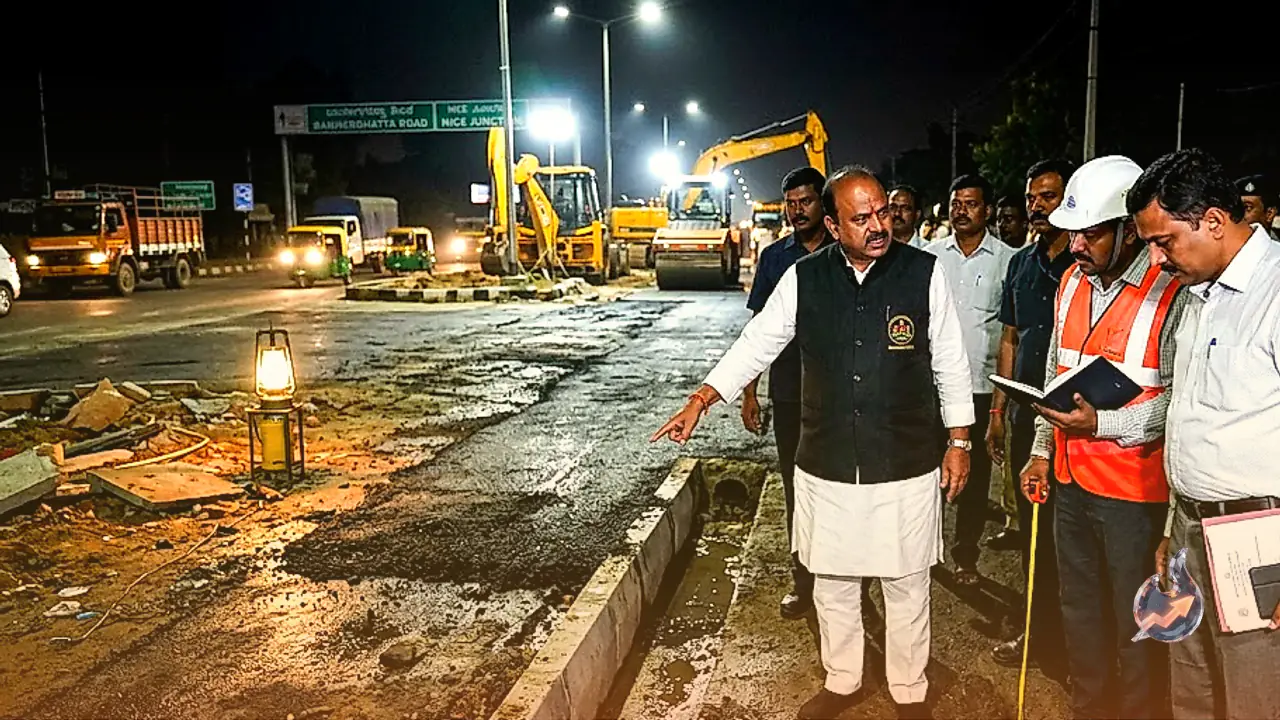




















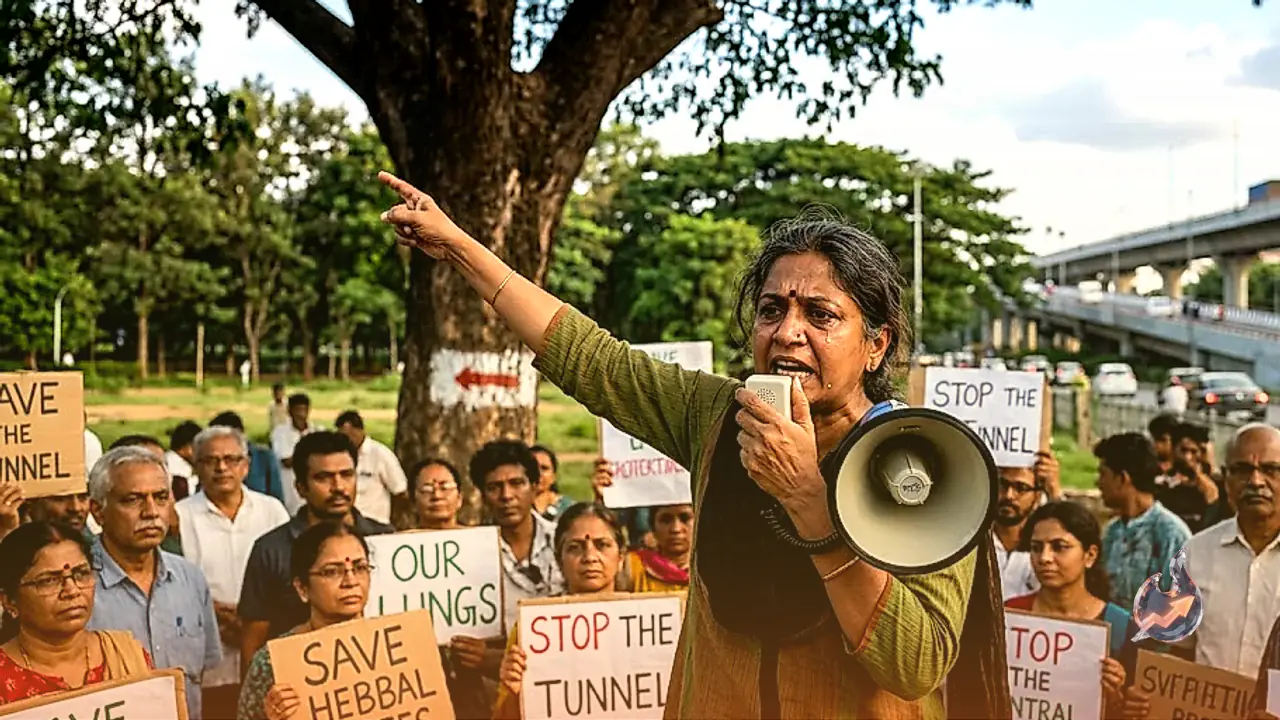

A sweeping infrastructure expansion plan in Bengaluru has set the stage for extensive ecological disruption across one of the city's vital green belts. Authorities have drafted a proposal to clear 1,128 mature trees to clear the path for a 2.3-kilometer underground tunnel road in the Hebbal area. Under this engineering plan, roughly 490 dense trees will be sacrificed for every single kilometer of high-speed underground transit. The proposed clearing directly impacts the verdant stretches along Bellary Road, the Veterinary College campus, and the vicinity of Hebbal Lake. Initiated under a project by the Bangalore Development Authority (BDA), the Tree Officer of the Greater Bengaluru Authority (GBA) has formally released a public notice inviting objections to the scheduled felling.
Citizens Step In Over Absence of Geo-Specific Data
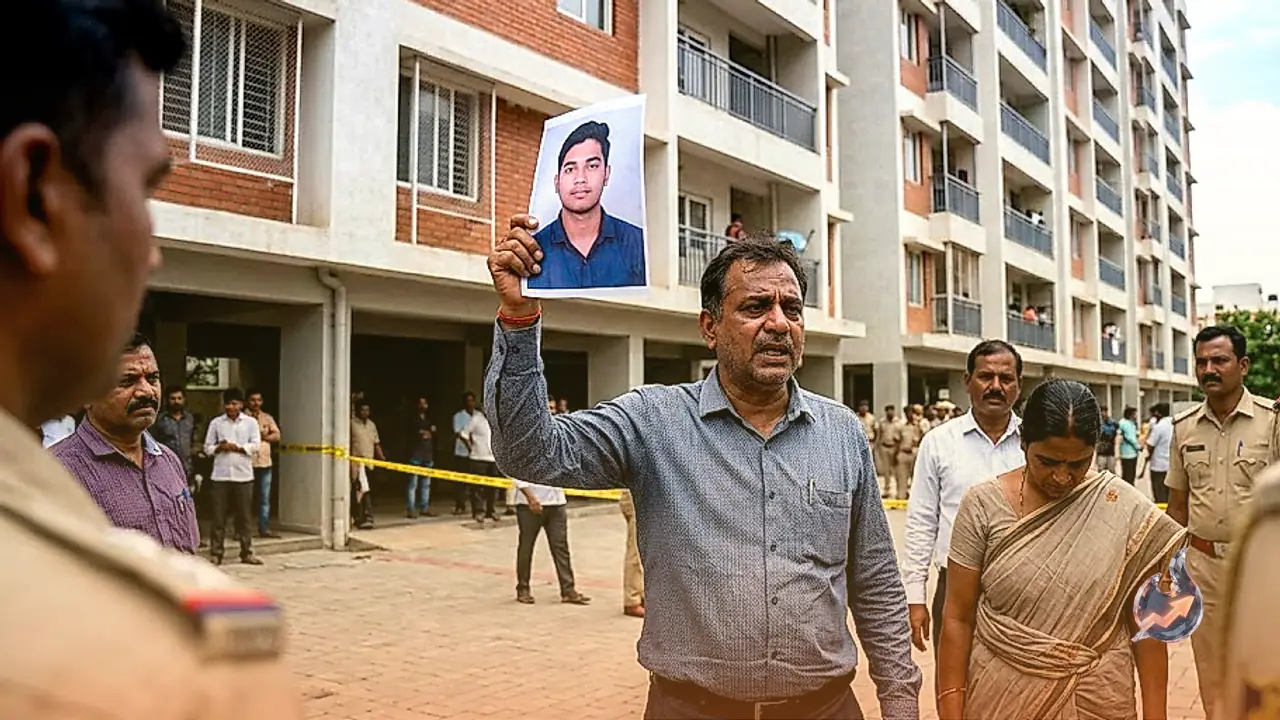
The publication of the official notice immediately triggered intense pushback from local residents and environmental advocates. A primary grievance voiced by citizens is that the civic authority's portal completely omitted critical specifics regarding the botanical species facing removal and their exact on-ground coordinates. Without access to granular location details and species mapping, community members pointed out that filing meaningful, precise objections remained virtually impossible within the regulatory timeframe. Confronted by this official opacity, citizens took the initiative to gather baseline ecological evidence themselves.
Over a rigorous two-month period, a dedicated team of 21 volunteers executed a comprehensive ground-level survey of the entire corridor. Leveraging the collaborative scientific platform iNaturalist, the volunteers documented and geotagged massive banyan, peepal, ficus, and cannonball trees alongside nesting habitats of spotted owlets. By compiling precise photographic and spatial records, the community directly presented verified field data to authorities, laying bare the real biological footprint of the proposed civil works.
Rich Haven for 278 Bird Species Threatened by Cut-and-Cover Method
Ecological researchers have emphasized that the contiguous foliage spanning Hebbal Lake and the Veterinary College campus acts as an irreplaceable natural green corridor for regional wildlife and avifauna. Official records from the global bird repository eBird corroborate this richness, cataloging 183 bird species near Hebbal Lake and another 95 within the Veterinary College grounds, bringing the documented total to 278 distinct species across the impacted zone.
Engineering blueprints indicate that the underground road will be executed utilizing the cut-and-cover construction technique. Specialists warn that this method involves excavating wide trenches from the surface downward, a process that will permanently sever and rip out extensive, centuries-old root networks. Replacing continuous living soil and subsurface root networks with dense concrete channels permanently seals the surface, irreparably disrupting the delicate natural equilibrium that sustains these diverse bird communities.
Century-Old Heritage Banyan and 60 Rare Botanical Varieties
The ground data compiled through the two-month citizen audit dispelled any notion that the designated clearing zone consists merely of expendable shrubs. Field findings confirmed the presence of 40 indigenous and 20 ornamental tree varieties thriving across the alignment. Foremost among these is an iconic, roughly 100-year-old heritage banyan tree that now faces imminent removal by heavy machinery.
The surveyed alignment is densely populated by massive specimens of jamun, amla, karanj, and rain trees, alongside key members of the wild fig lineage. Specifically, Mysore fig, cluster fig, and white fig varieties stand prominently throughout the zone, serving as primary year-round feeding grounds and shelters for hundreds of birds, insects, and small mammals. Stripping these specific botanical species will decimate local ecological food webs beyond recovery.
Severe Threats to Groundwater Aquifers and Recharge Zones
Hydrological specialists and environmentalists have sounded urgent alarms that sacrificing substantial tree cover for surface widening and subterranean tunneling could permanently deplete the locality's water table. The dense, deep-reaching root systems of the colossal banyans on the Veterinary College grounds are instrumental in driving surface runoff deep into underground aquifers, maintaining the city's natural replenishment cycle. In an urban center already grappling with acute municipal water deficits, damaging this natural recharge zone carries severe long-term ramifications.
Local neighborhood groups assert that an intensively built-up metropolis like Bengaluru no longer possesses the land or spatial capacity to regenerate such massive, centuries-old canopies once they are destroyed. Consequently, civic groups and urban planners are calling for an immediate and rigorous redesign of the road alignment between the Hebbal junction and the UAS staff quarters to safeguard the city's essential groundwater reserves, tree canopy, and urban wildlife.