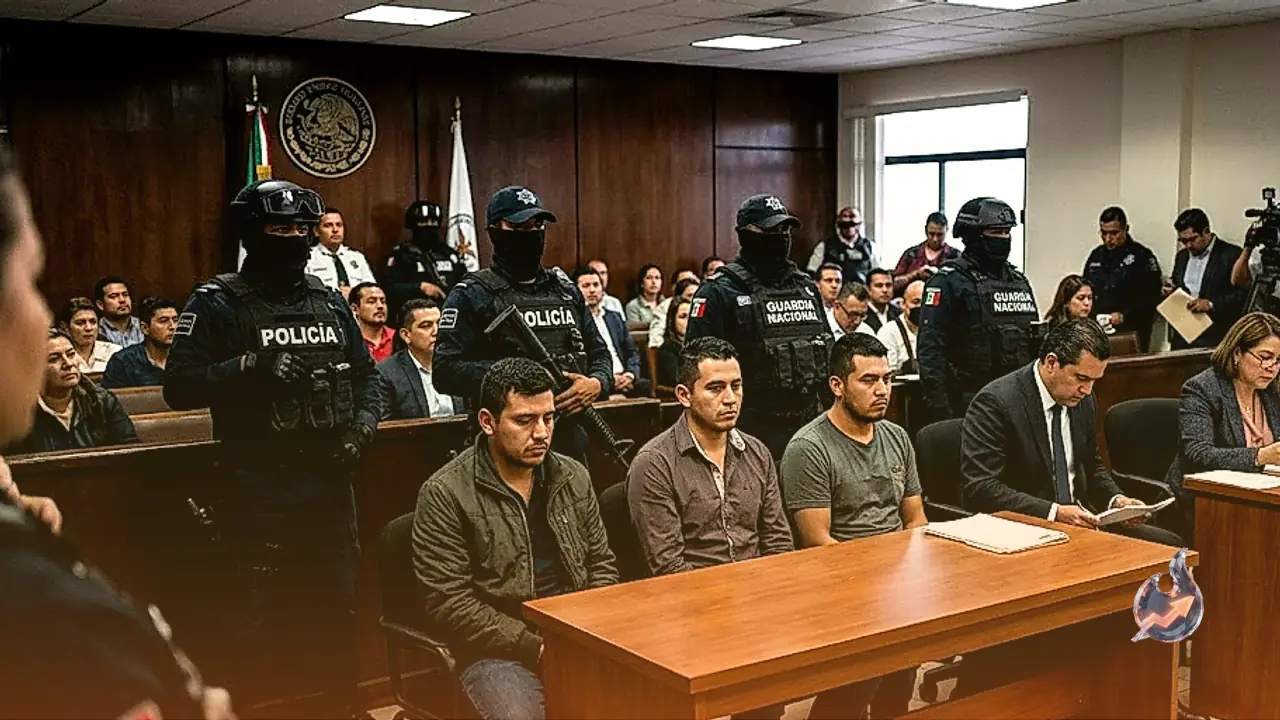






















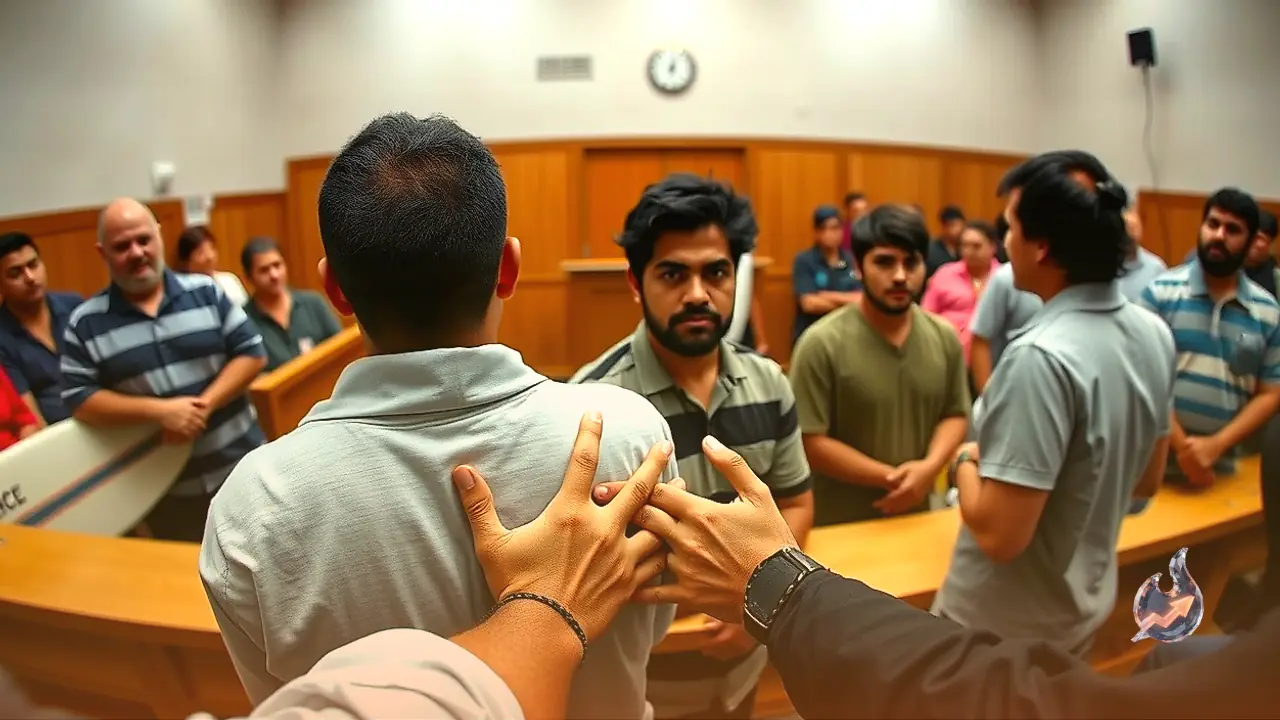

A judicial court in Mexico has handed down prison terms of 158 years and nine months each to three men convicted of murdering Australian brothers Jake Robinson and Callum Robinson along with their American friend Carter Rhoad. The deadly encounter took place in 2024 during a coastal surfing getaway in Baja California. Proceedings concluded with a guilty verdict delivered last week, drawing a line under a case that sparked outrage across multiple continents.
Fatal Encounter During Coastal Campout
Evidence presented during the proceedings revealed that the three travellers had set up camp near an isolated stretch of beach in Baja California when the assailants attempted to steal their pickup truck. When the victims resisted the theft, the attackers opened fire at close range, fatally shooting each victim in the head. In an effort to conceal the crime, the perpetrators dragged the victims away and dumped their bodies inside a deep well.
Due to legal regulations governing court disclosures, the full identities of the convicted men have been withheld. Authorities have identified them strictly by their first names: Jesús Gerardo, Irineo Francisco, and Ángel Jesús. Each was found culpable of aggravated homicide and associated offences connected to the fatal assault.
Snatched Within 36 Hours of Arrival
Court records detail that the young men, all in their early 30s, had crossed into Mexico from the United States just 36 hours before they were ambushed. Following an abrupt disappearance that triggered an international search, their remains were discovered roughly seven days later. Relatives arrived on site to complete the formal identification process.
The courtroom heard poignant testimony from Debra Robinson, the mother of Jake and Callum. Addressing the judge, she stated that the murders had taken the future we had imagined with them, putting into words the enduring devastation felt by the families.
Fallout Across Ensenada and the Surfing Community
News of the fatalities resonated globally, especially throughout Australia and surfing circles worldwide. The coastal town of Ensenada had long enjoyed a reputation as an inviting and dependable haven for outdoor enthusiasts, generally sheltered from the acute violence documented across several other Mexican regions. The unprovoked brutality of the incident unsettled long-time residents and international visitors alike.
Official accounts concluded that the surfers were killed simply for being in the wrong place at the wrong time, targeted without provocation during an opportunistic robbery. In the wake of the incident, community members and local wave riders organized calls for reinforced policing and improved safeguards throughout Baja California, noting that the regional economy relies heavily on visiting travelers. The extensive prison terms bring formal legal accountability following one of the most high-profile crimes against foreign travellers in the region in recent years.