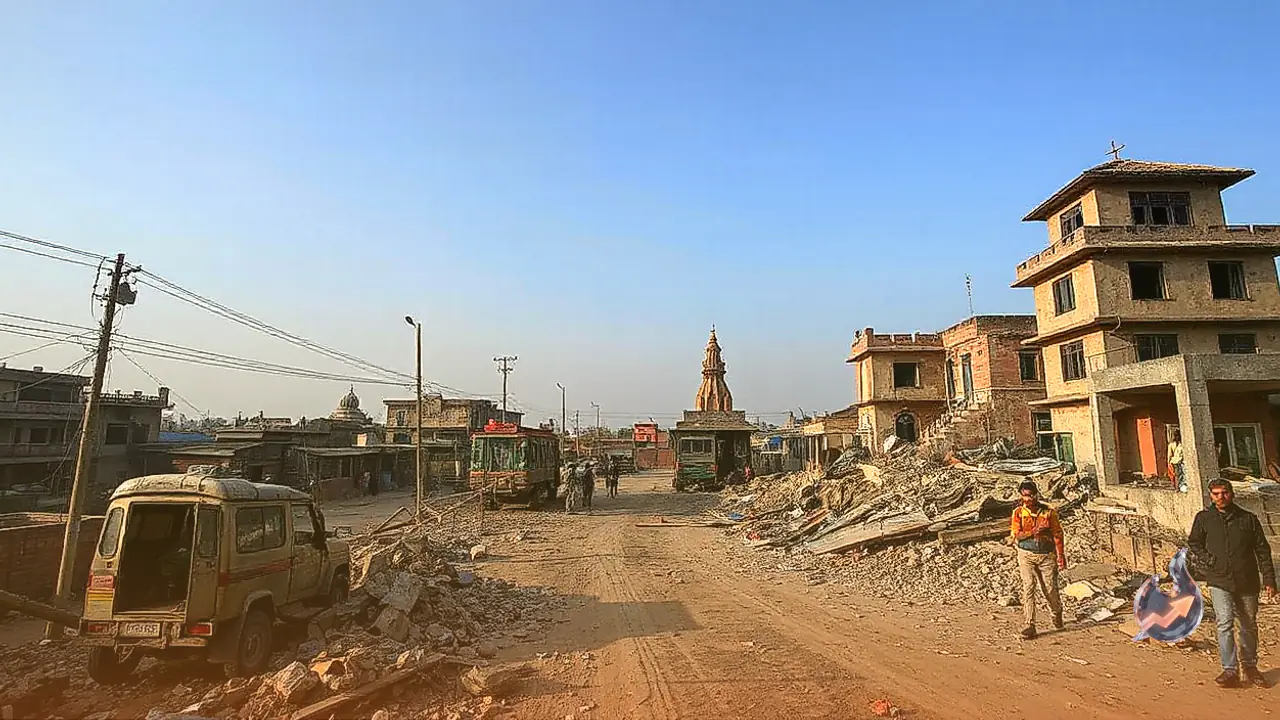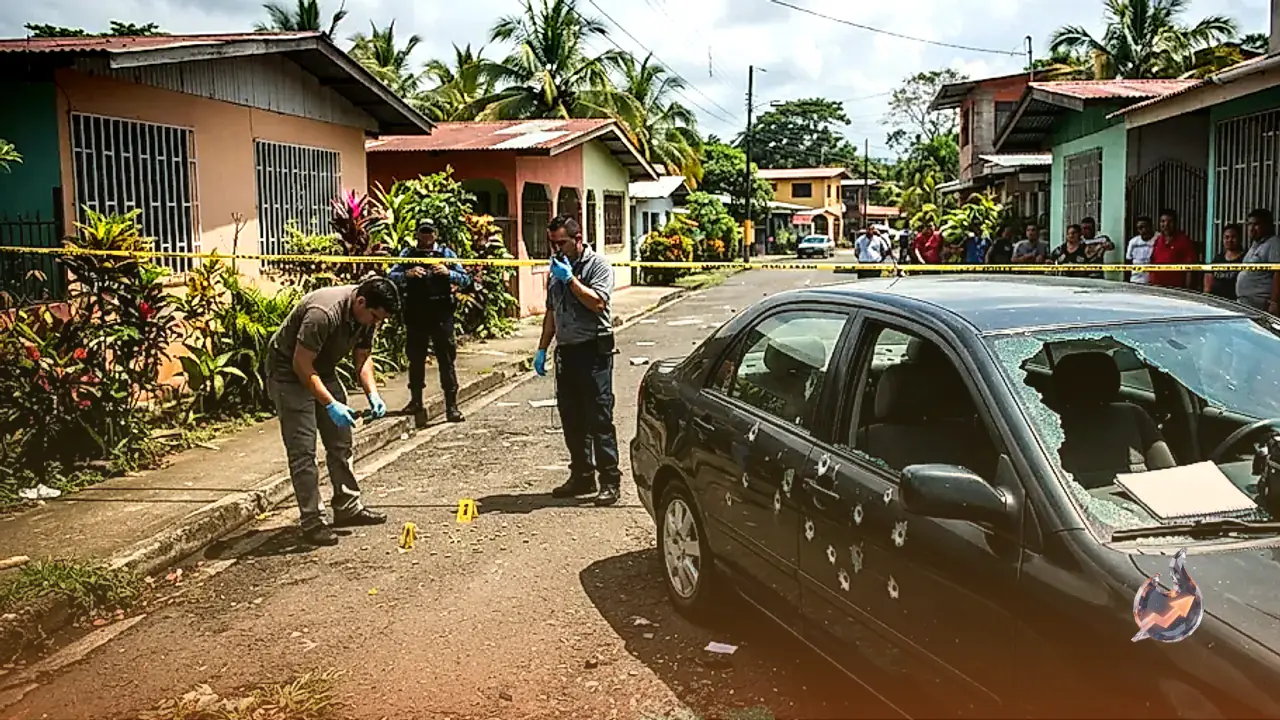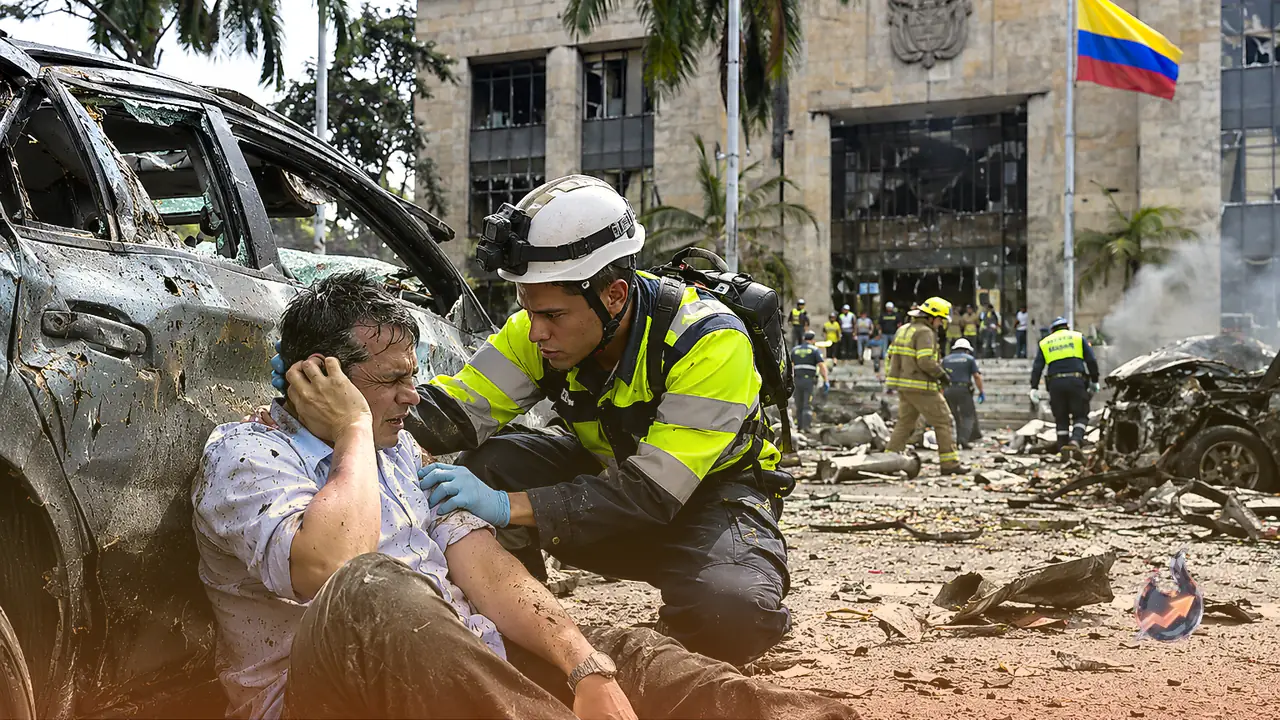

A powerful car bomb detonated in one of the central squares of Villavicencio, Colombia, leaving at least 23 people injured on Monday evening. The explosive device went off directly in front of the regional government offices in the city center, shattering glass and causing structural damage to several surrounding buildings. Emergency services rushed to the scene as panic spread across the central district. No armed group or criminal syndicate has yet taken responsibility for orchestrating the blast, which has heightened security concerns across the region.
Surge in Attacks Targeting Government and Security Outposts
The bombing in Villavicencio represents the latest incident in a troubling wave of coordinated violence targeting official infrastructure and security installations. Earlier on Monday, automated drones dropped explosives directly onto the police headquarters in the northern city of Cúcuta. The dual strikes across different regions reflect an escalation by illegal armed groups operating within the country. Authorities believe these assaults are launched in direct retaliation for ongoing law enforcement offensives designed to dismantle illegal networks.
Presidential Stance and Vow Against 'Narcoterrorism'
Following the blast, Colombian President Abelardo de la Espriella strongly condemned the act, attributing the attack to narcoterrorist factions, though he refrained from detailing specific groups behind the operation. De la Espriella emphasized that state authorities would maintain a firm stance against violent organizations. He declared that there would be no impunity for perpetrators and no retreat from law enforcement actions. The escalation in violent tactics by criminal organizations follows aggressive state security measures ordered by De la Espriella aimed at curtailing illicit enterprises.
Timing Aligns with Peace Accord Anniversary
The attack occurred on the eve of the 10th anniversary of the historic peace agreement signed between the Colombian government and the Revolutionary Armed Forces of Colombia (Farc), which was historically the country's largest left-wing guerrilla movement. While thousands of Farc fighters laid down their weapons and demobilized under the terms of the accord, a significant faction rejected the peace framework entirely. These dissident members refused to surrender arms and subsequently reorganized into armed dissident command structures.
Resurgence of Illegal Economies and Conflict
Although forced displacement, child recruitment, and ambushes against military forces initially saw a sharp decline after the signing of the peace deal, violence has re-emerged aggressively in recent years. Dissident Farc factions and organized crime syndicates are locked in violent conflicts for control over lucrative illicit sectors, including drug trafficking routes, wildcat illegal mining operations, and widespread extortion networks. This territorial competition has fuelled fresh waves of instability across multiple provinces.
Political Rift Over Past and Present Peace Strategies
The security situation is further complicated by deep political divisions over state policy. Colombia's first left-wing president, who held office from August 2022 to August 2026, attempted to engage these armed groups in dialogue under an overarching strategy known as 'total peace.' However, these peace negotiations eventually stalled and collapsed after multiple criminal organizations breached agreed ceasefire terms.
In contrast, De la Espriella secured office on a platform promising uncompromising action against narcoterrorist networks while expressing sharp criticism of his predecessor's approach. De la Espriella has consistently challenged the 2016 accord, labeling it a false peace. Shortly before news of the Villavicencio blast emerged, he posted on X describing the 2016 agreement as a mess, characterizing it as a waste of public resources and a fundamental cause behind the nation's decline.
In response to these criticisms, Santos argued that De la Espriella was totally wrong to characterize the accord as a false peace. Santos asserted that attributing current violence to the peace framework is a cynical and mistaken theory, arguing instead that present security challenges stem directly from a lack of complete implementation of the agreement's core provisions.